

Puppy Foods – The Benefits of Feeding Your Puppy Right
Choosing the right food for your puppy is essential for their growth, development, and overall health.
Puppies have specific nutritional needs that differ from adult dogs, and providing a balanced diet is crucial during their formative months.
This comprehensive guide provides detailed information on the types of food suitable for puppies, factors to consider when selecting food, feeding guidelines, and tips for maintaining your puppy’s health through proper nutrition.
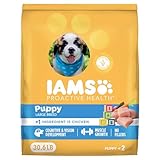
- Veterinarians Recommend IAMS: IAMS large breed dog food recipe is made with real chicken as the #1 ingredient and contains no fillers or artificial flavors; ingredients are natural as defined by the Association of American Feed Control Officials (AAFCO)
- Healthy Cognitive & Vision Development: IAMS Dog Food Proactive Health Large Breed Dry Puppy Food is formulated with Omega-3 DHA to support smarter, more trainable puppies, providing a great start with essential nutrients
- Healthy Bones & Joints: IAMS dog food large breed puppy dry is formulated with essential nutrients and optimal calcium levels to support healthy bones & joints
- Immune System Support: IAMS proactive health dog food is enriched with essential antioxidants Vitamin E and Selenium to help develop a strong immune system
- The Proactive 5 Difference: The Proactive 5 health benefits for IAMS Dog Food Dry Recipe for Large Breed Puppies are scientifically designed to support five key areas of your dog’s health, keeping them full of life, for more of life

Last update on 2026-10-12 / Affiliate links / Images from Amazon Product Advertising API
Understanding Puppy Nutritional Needs
Growth and Development
Puppies grow rapidly, especially in the first six months, and require a diet rich in nutrients to support their development. Proper nutrition helps build strong bones, muscles, and a healthy immune system.
Higher Caloric Needs
Due to their rapid growth and high energy levels, puppies need more calories per pound of body weight compared to adult dogs. This means their diet should be calorie-dense and nutrient-rich.
Essential Nutrients
Puppies need a balanced diet that includes:
- Proteins: Essential for muscle development and growth.
- Fats: Provide energy and support brain development.
- Carbohydrates: Source of energy.
- Vitamins and Minerals are crucial for various bodily functions, including bone growth, immune system support, and overall health.
Types of Puppy Food
Commercial Puppy Food
Commercial puppy food is specifically formulated to meet the nutritional needs of growing puppies. It comes in various forms, including dry kibble, wet food, and semi-moist food.
Dry Kibble
Benefits:
- Convenient: Easy to store and serve.
- Dental Health: Helps reduce tartar buildup and promote dental health.
- Balanced Nutrition: Formulated to provide complete and balanced nutrition.
Considerations:
- Hydration: Ensure your puppy can access plenty of fresh water, as dry kibble does not provide moisture.
Wet Food
Benefits:
- Palatability: Often more appealing to picky eaters due to its taste and texture.
- Hydration: Provides additional moisture, which can help keep your puppy hydrated.
Considerations:
- Storage: Requires refrigeration after opening and has a shorter shelf life.
- Dental Health: It does not provide the same dental benefits as dry kibble.
Semi-Moist Food
Benefits:
- Convenience: Easy to serve and store.
- Taste: Often more palatable than dry kibble.
Considerations:
- Preservatives: Often contains more preservatives and artificial ingredients than other puppy food forms.

- HEART AND IMMUNE SUPPORT: These multifunctional dog supplements & vitamins feature CoQ10, Cod Liver Oil, and Vitamins A, C, and E to support cardiovascular and immune health for pets
- ADVANCED 8-IN-1 FORMULA: Zesty Paws 8 in 1 Multifunctional Bites include premium ingredients for physical performance, joint support, heart, immune, skin, liver, and gut health
- HEALTHY SKIN AND COAT: Specifically designed for dogs with sensitive skin, this dog skin and coat supplement includes Cod Liver Oil and Vitamin E to promote skin and coat health
- HIP AND JOINT SUPPORT: This dog joint supplement contains Glucosamine, delivering essential nutrients for hip and joint health, providing mobility and muscular support for senior dogs and puppies
- DIGESTIVE AND GUT HEALTH: Each dog vitamins multivitamin contains a six-strain probiotic blend for gut health for dogs and digestive health, encouraging healthy gut flora and bowel regularity in dogs
Last update on 2026-10-12 / Affiliate links / Images from Amazon Product Advertising API
Homemade Puppy Food
Some owners prefer to prepare homemade meals for their puppies to control ingredients and quality. If choosing this route, ensuring the diet is nutritionally balanced is crucial.
Benefits:
- Control: Complete control over the ingredients and quality.
- Customization: Ability to tailor the diet to your puppy’s needs and preferences.
Considerations:
- Nutritional Balance: Ensuring a balanced diet requires careful planning and, often, consultation with a veterinarian or a pet nutritionist.
- Time-Consuming: Preparing homemade meals can be time-consuming and may require additional effort.
Raw Diet
A raw diet, often called BARF (Biologically Appropriate Raw Food), consists of raw meat, bones, and organs.
Benefits:
- Natural Ingredients: Focuses on whole, unprocessed foods.
- Palatability: Many dogs find raw food highly palatable.
Considerations:
- Nutritional Balance: Ensuring a balanced raw diet can be challenging and requires careful planning.
- Health Risks: Potential risks of bacterial contamination and imbalanced nutrition.
- Consultation with a veterinarian is essential before starting a raw diet.
Selecting the Right Puppy Food
Age-Appropriate Formulation
Choose a food that is specifically formulated for puppies. Puppy food is designed to provide the higher nutrients required for growth and development.
Breed Size Considerations
Different breeds have varying nutritional needs, particularly about their size.
- Small Breed Puppies: Require a diet that supports rapid metabolism and provides small, easily chewable kibble.
- Large-breed puppies Need a diet that supports steady, controlled growth to prevent joint and bone problems. Look for large-breed puppy formulations.
Quality Ingredients
Look for high-quality ingredients that provide complete and balanced nutrition. The first ingredient should be a high-quality protein source. Avoid foods with excessive fillers, artificial colors, and preservatives.
Nutritional Adequacy Statement
Check for a nutritional adequacy statement from the Association of American Feed Control Officials (AAFCO). This statement indicates that the food meets the nutritional requirements for puppies.

- SUPPLEMENT FOR GROWING PUPPIES – Sure Grow 100 is an oral nutritional supplement that helps promote optimal bone, ligament, and tendon development in puppies of all breeds, eight weeks and older, during periods of rapid growth
- SPECIALLY FORMULATED – Often used by professional breeders and handlers to obtain optimum breed structure, Sure Grow 100 is specially formulated to supply calcium, phosphorus, and vitamins A and D during periods of rapid growth
- FAST-ABSORBING FORMULA – This unique formula features a highly palatable liver flavor dogs love
- SUGGESTED USE – Feed directly or mix with food. May be used by pregnant and lactating females
- ABOUT US – PetAg is a trusted leader in pet wellness, with science-backed formulas in our milk replacers, health supplements, and grooming products helping pet owners to proactively enhance the lives of their pets, for more healthy years together
Last update on 2026-10-12 / Affiliate links / Images from Amazon Product Advertising API
Feeding Guidelines
Establishing a Feeding Schedule
Consistency is key to developing good eating habits. Establish a regular feeding schedule with consistent meal times.
- Young Puppies: Typically require three to four meals a day until they are about six months old.
- Older Puppies: Around six months of age, you can reduce the number of meals to two per day.
Portion Control
Follow the feeding guidelines on the puppy food packaging and adjust portions as needed based on your puppy’s growth, activity level, and body condition. Overfeeding can lead to obesity and related health issues.
Monitoring Growth and Health
Monitor your puppy’s growth and overall health regularly. Track its weight and body condition. Please consult your veterinarian for guidance on adjusting its diet and portions as needed.
Tips for Maintaining Puppy Health Through Nutrition
Regular Veterinary Check-Ups
Schedule regular veterinary visits to monitor your puppy’s health and development. Your veterinarian can guide your puppy’s diet and nutrition based on specific needs.
Avoiding Table Scraps
Refrain from feeding your puppy table scraps or human food. These can cause nutritional imbalances and health issues.
Providing Fresh Water
Ensure your puppy has access to fresh, clean water at all times. Hydration is essential for their overall health and well-being.
Supplements
Most high-quality commercial puppy foods provide all the necessary nutrients. However, some puppies may benefit from supplements. Consult your veterinarian before adding any supplements to your puppy’s diet.
Puppy Food Conclusion
Choosing the right food for your puppy is critical to their growth and development.
Understanding your puppy’s nutritional needs and selecting a high-quality, age-appropriate diet can ensure the best start.
Whether you opt for commercial puppy food, homemade meals, or a raw diet, always prioritize balanced nutrition and consult your veterinarian for personalized advice.
Establishing a regular feeding schedule, monitoring your puppy’s growth, and maintaining their health through proper nutrition will help them grow into healthy, happy, and well-adjusted adult dogs.


