

Caring for Your New Puppy: What You Need to Know
Congratulations on your new puppy!
Bringing a new pet into the family is always a special occasion.
Although puppies are adorable, they also require much care and attention. This guide will provide tips on caring for your new furry friend.
The first few weeks with a new puppy are very important, as they are getting used to their new home and family.
During this time, being patient and consistent with your training is important. It is also important to ensure your puppy has a safe space to explore and plenty of toys to play with.

- JOINT SUPPORT: This Zesty Paws multivitamin for dogs contains Glucosamine Chondroitin, with OptiMSM and Cod Liver Oil, offering enhanced joint and hip performance
- IMMUNE ENHANCEMENT: Features Cod Liver Oil and Vitamins A, C, & E to bolster your dog’s immune system. This multivitamin for dogs strengthens defense against health challenges
- DIGESTIVE HEALTH: Includes a six-strain Gut Health Blend with 500 million CFU per chew. These Zesty Paws probiotics for dogs support healthy gut flora, normal bowel function, and overall digestive wellbeing
- SKIN AND COAT MAINTENANCE: Formulated with Cod Liver Oil and Vitamin E, along with CoQ10, these dog vitamins for itchy skin maintain skin moisture and reduce oxidative stress
- CARDIOVASCULAR AND LIVER SUPPORT: Enriched with CoQ10, Cod Liver Oil, and powerful antioxidants, these dog supplements & vitamins support heart and liver health, helping your dog stay active and healthy
Last update on 2026-10-15 / Affiliate links / Images from Amazon Product Advertising API
Bringing a new puppy into your home is an exciting and joyful experience, but it also comes with significant responsibilities.
Proper care during the early stages of a puppy’s life is crucial for its development and well-being.
This comprehensive guide provides detailed steps and considerations for caring for your new puppy, ensuring it grows into a healthy, well-adjusted adult dog.
Preparing for Your Puppy
Puppy-Proofing Your Home
Before bringing your new puppy home, it’s important to create a safe environment:
- Remove Hazards: Secure or remove any items that could pose a danger to your puppy, such as electrical cords, small objects that could be swallowed, and toxic plants.
- Create Safe Spaces: Set up designated areas where your puppy can play and rest safely. Baby gates can help section off rooms and prevent access to unsafe areas.
- Supplies: Gather all necessary supplies, including a crate, bed, food and water bowls, toys, grooming tools, and puppy-safe cleaning products.
Choosing the Right Crate
Crate training is an effective method for house training and providing a safe space for your puppy:
- Size: Choose a large crate large enough for your puppy to stand, turn around, and lie comfortably in. It should not be too large, as this may encourage soiling.
- Comfort: Make the crate comfortable with soft bedding and a few safe toys. The crate should be a positive, safe space for your puppy.

- [Dual Leash Clips] When you are using a front clip and the dogs try to pull ahead they just flip right around facing you. It really helps reduce pulling. The one on top allows them to run, jog, mountain climb with you.
- [Easy to Put on and Off] Just slide it over your pups head and then fasten 2 clips on the side. And 4 adjustable clips help you easily adjust the harness to a perfect fit for your dog. Please measure the dog’s neck and chest girth before buying.
- [Handy Handle] The handle on the top is soft and comfortable to grab, it helps you get your dog on/off higher things like the SUV, stairs and so on.
- [Great Reflective Properties] The reflective areas on the harness are a nice touch for evening walks. It’s a lot easier to see the dog with the harness on, will make all of you safer.
- [Well Padded & Comfortable] The harness is very well made and sturdy. It has nice padding on the chest and back, so your dog can wear this all day without rolling or scratching in discomfort.
Last update on 2026-10-15 / Affiliate links / Images from Amazon Product Advertising API
Caring for Your New Puppy – Nutrition and Feeding
Selecting the Right Food
Proper nutrition is vital for your puppy’s growth and development:
- High-Quality Puppy Food: Choose a high-quality puppy food that meets the nutritional requirements for your puppy’s breed, size, and age. Consult your veterinarian for recommendations.
- Avoiding Human Food: Do not feed your puppy table scraps or human food, which can lead to nutritional imbalances and health issues.
Establishing a Feeding Schedule
Consistency is key to developing good eating habits:
- Regular Feeding Times: Establish a regular feeding schedule with consistent meal times. Puppies typically require three to four meals a day.
- Portion Control: Follow the feeding guidelines on the puppy food packaging and adjust portions as needed based on your puppy’s growth and activity level.
Health and Veterinary Care
Scheduling Veterinary Visits
Regular veterinary visits are essential for your puppy’s health:
- Initial Check-Up: Schedule an initial veterinary appointment within the first few days of bringing your puppy home. This allows the vet to assess your puppy’s health and establish a vaccination and deworming schedule.
- Vaccinations: Follow the recommended vaccination schedule to protect your puppy from common infectious diseases. Core vaccines typically include distemper, parvovirus, adenovirus, and rabies.
Preventative Care
Preventative care helps maintain your puppy’s health and prevent future issues:
- Parasite Control: Administer regular flea, tick, and heartworm preventatives as your veterinarian recommends.
- Dental Care: Introduce dental care early by brushing your puppy’s teeth with dog-safe toothpaste and providing dental chews.
- Spaying/Neutering: Discuss the appropriate time for spaying or neutering your puppy with your veterinarian, typically between six to nine months of age.
Socialization and Training
Early Socialization
Socialization is critical for developing a well-adjusted and confident dog:
- Exposure to Different Environments: Gradually expose your puppy to various environments, sounds, and experiences to build confidence and reduce fear.
- Meeting New People and Animals: Introduce your puppy to various people, including children, dogs, and pets in controlled settings. Positive experiences during this period are crucial.
Basic Training
Training helps establish good behavior and strengthens the bond between you and your puppy:
- House Training: Establish a consistent house training routine using positive reinforcement. Take your puppy outside frequently, especially after meals, play, and naps.
- Basic Commands: Use positive reinforcement techniques to teach basic commands such as sit, stay, come, and down. Consistency and patience are key.
- Crate Training: Use crate training to aid in-house training and provide a safe space for your puppy. Make the crate a positive experience with treats and praise.

- Premium Soft Chew Toys for Dogs – These adorable dog crinkle toys no stuffing ducks provide your four-legged best friend with an interactive chew toy that makes noise, keeps them engaged, and is gentler on teeth, gums, and dental health
- Cute and Colorful Duck Shape – Shaped like a real duck these dog crinkle toys for small dogs, medium dogs, and every size in between comes in 6 unique colors and provides a more puppy friendly shape that’s easy to carry around
- No Fluff, No Mess Design – Unlike messy bones, ropes, or other toys for aggressive chewers these dog crinkle toys won’t leave behind a mess after they’re done playing. They also boast reinforced fabric and stitching to help them hold up to chewing
- Active Play, Tossing, and Retrieving – Our cute duck chew toys for dogs can be used for bonding with your puppy, reducing stress or separation anxiety, or simply giving them an active outlet for channeling aggression or intense play
- GREAT GIFT: Whether you’re looking for an exciting birthday, holiday or a just-because gift for your furbaby, you can’t go wrong with these incredibly fun dog toys. Click ‘Add to Cart’ now! Please note that our toys are not edible or meant for consumption.

Last update on 2026-10-15 / Affiliate links / Images from Amazon Product Advertising API
Exercise and Play
Physical Exercise
Regular exercise is essential for your puppy’s physical and mental health:
- Daily Walks: Provide daily walks appropriate for your puppy’s age and breed. Short, frequent walks are better for young puppies.
- Playtime: To keep your puppy active and stimulated, engage in interactive play with toys, such as fetch and tug-of-war.
Mental Stimulation
Mental stimulation helps prevent boredom and promotes cognitive development:
- Puzzle Toys: Use puzzle and treat-dispensing toys to challenge and entertain your puppy’s mind.
- Training Sessions: Incorporate fun training sessions to teach new tricks and reinforce good behavior.
Caring for Your New Puppy – Grooming and Hygiene
Regular Grooming
Regular grooming is essential for maintaining your puppy’s health and appearance:
- Brushing: Regularly brush your puppy’s coat to remove loose hairs and prevent matting. The frequency depends on the breed and coat type.
- Bathing: Bathe your puppy as needed using a gentle, puppy-specific shampoo. Avoid over-bathing, as it can dry out the skin.
- Nail Trimming: Regularly trim your puppy’s nails to prevent overgrowth and discomfort. Use a proper nail trimmer, and don’t cut into the quick.
Ear and Eye Care
Proper ear and eye care helps prevent infections and maintain overall health:
- Ear Cleaning: Check your puppy’s ears regularly for dirt, wax, and signs of infection. Clean the ears with a vet-recommended ear cleaner.
- Eye Cleaning: Gently wipe your puppy’s eyes with a damp cloth to remove any discharge and keep the area clean.
Safety and Well-Being
Puppy-Proofing the Environment
Ensure your home is safe and secure for your new puppy:
- Remove Hazards: Keep household chemicals, medications, and small objects out of reach. Secure trash cans and food storage areas.
- Secure Fencing: Ensure your yard is fenced to prevent your puppy from escaping and encountering dangers.
Supervision and Safe Spaces
Supervision and safe spaces help prevent accidents and promote good behavior:
- Supervise Play: Always supervise your puppy during playtime to prevent accidents and ensure safety.
- Designated Areas: Create designated areas for play, sleep, and elimination to establish routines and boundaries.
Building a Bond
Positive Reinforcement
Building a strong bond with your puppy involves positive interactions and reinforcement:
- Rewards and Praise: Use treats, praise, and affection to reward good behavior and reinforce training.
- Consistency: Be consistent in your commands, expectations, and routines to help your puppy understand what is expected.
Quality Time
Spending quality time with your puppy strengthens your relationship:
- Interactive Play: Engage in interactive play to build trust and companionship.
- Cuddle Time: Provide plenty of affection and time to make your puppy feel loved and secure.
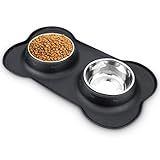
- Capacity: Small size: 12oz Holds 1 Cup to 1.5 Cups food, double small dog bowls, rubber mat: 18″*10″*1.6″, no spill pet dishes for puppy small dogs cats under 18lbs. Large Size: Holds 2 to 3 Cups each metal bowl (5.8″ Dia*2.7″ H), mat: 19″*11″*2.8″, food dishes for small to meduim size dogs up to 35 pounds. X Large size: Set of 2 piece 50oz large dog Bowls, holds 6 Cups each (7.4″ Dia*2.8″ H), rubber bottom: L:23″* W:13″, great for large dog breeds, medium to large dogs up to 125lbs.
- Double Dog & Cat Bowls: Set of 2 Dog & Cat Bowls for messy eaters, one for water and the other for food. The bowls is made of high quality stainless steel which makes it rust resistant. Both silicone stand and stainless steel bowl are dishwasher safe.
- Stainless Steel Bowls: Anti-corrosion and heat resistant, the non slip stainless steel dog or cat bowl is durable for long-term use and healthy for your beloved pets especially for holding hot food, and easy to clean, detachable from silicon mat and dishwasher safe.
- No-Spill Silicone Mat: The extra large base of the silicone stand catches any spills so your floor stays clean and Keep Bowls staying in the same place when your boy or girl dog is eating.
- Safe Food Grade Material for your pets: Our dog bowls are made of stainless steel and silicone mat, both are non-toxic, odorless and food grade. This is a fantastic dog cat puppy food and water dish to prevent messy eating and drinking! Handy all in one feeder for messy pups, new puppy or Small Medium Large dogs. Please do not hesitate to contact us should you need any help.
Last update on 2026-10-16 / Affiliate links / Images from Amazon Product Advertising API
Caring for Your New Puppy – What You’re Going to Need
Your new puppy is a living, breathing creature that requires plenty of care and attention during its first few months.
But before you can start caring for your puppy, you must ensure it has all the necessary supplies and equipment to live a happy and healthy life.
Here are some of the supplies you’ll need for a brand-new puppy:
- A Place to Sleep – Puppies need their bed or blanket to sleep on — preferably one that is not your couch or bed! Choose a puppy bed that is soft and easy to clean.
- A Place to Eat—Your puppy should also have its bowl to eat out of. This can be a stainless-steel bowl that can be easily cleaned and disinfected. Make sure the bowl is not too deep. This is important because puppies are instinctive to tip their bowls while eating. A shallow bowl will prevent your puppy from eating too quickly, which can lead to bloating and other health issues.
- Collars and Leashes – Your puppy will need a collar and leash before going outside. Ensure you buy a collar wide enough for your puppy to grow into but not so wide that it could get caught on something and cause an issue. There are many different kinds of collars to choose from. We recommend a breakaway collar, so if your puppy gets caught on something, it will break away safely. A harness is also a great option for a new puppy. This can help prevent your puppy from pulling on the leash and hurting their neck.
- A Crate—Crates are an excellent way to help your new puppy get used to being in a smaller space. You can either place the crate in a room in your house or in the car. It is best to start crate training while your puppy is still at the shelter or with its previous owner. If you have an adult dog, you can use a crate to keep it safe if injured.
- A Water Bowl—Puppies need plenty of water to stay hydrated. Choose a bowl that is easy to clean and easy for your puppy to drink out of. A puppy’s mouth is smaller than an adult dog’s, so the bowl can be smaller, too.
- Toys and Chew Toys – Puppies love to play and chew! Choose toys that are appropriate for your puppy’s age. Avoid toys that could be swallowed or cause your puppy to break a tooth. Avoid toys that have small pieces that could be easily swallowed.
- Grooming Supplies—Even if you choose a puppy that does not require grooming, it is important to start grooming your puppy as soon as it comes home. This will help it get used to the process and make future grooming much easier. Choose grooming supplies that are appropriate for your puppy’s age.
- Health Products—One of the most important things to remember when caring for a brand-new puppy is keeping its health in check. Choose products that will help keep your puppy healthy and strong.
Caring for Your New Puppy Conclusion
Caring for a new puppy involves a comprehensive approach that includes preparation, nutrition, health care, socialization, training, exercise, grooming, and safety.
Following these guidelines and providing a loving and supportive environment ensures your puppy grows into a healthy, well-adjusted, and happy adult dog.
The early stages of a puppy’s life are critical for their development, and your dedication to their care will set the foundation for a lifelong bond and companionship.


