

How Long Is a Dog Pregnant For? Our Guide to the Canine Gestation Period
How many days until puppies? That is usually the first thing people ask once a dog has been bred.
The simple answer is that a dog is pregnant for about 63 days, or around 9 weeks, from ovulation.
In real life, there is a healthy gestation period range.
Most dogs give birth between 57 and 72 days after breeding, since it is hard to know the exact day the eggs were fertilized.
For small dog lovers and breeders, timing matters a lot because it affects vet visits, whelping prep, and how closely you watch a tiny mom-to-be.
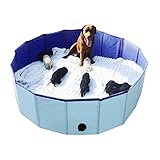
- Great Durability: Artilife whelping bed is made of PVC and MDF,thick side and thick bottom,very durable.
- Portable: Great travel pool.It folds up well,easy to clean,and has been a great travel pool.
- Foldable: Drain the water,fold the sides edges,put the drain port up,fold the bottom,easy set up and fold,It folds up tiny and folds up for easy storage.
- Functional: Great whelping pool!Perfect for whelping,you can use this pool as a whelping box for your dog,also it can be a ball pit,plus you can use it for bathing your dogs.
- Package Included: 1 Pack 47inch Dia.x12inch H Whelping Pool Whelping Box.
Last update on 2026-10-15 / Affiliate links / Images from Amazon Product Advertising API
Small breeds usually follow the exact basic timing as larger dogs, although many toy breeds tend to ovulate slightly earlier, often around 58 to 62 days.
They do, however, face special risks in labor and newborn care.
This guide walks through how long dogs are pregnant, what happens week by week, how to tell if your dog is actually pregnant, and when to call your vet.
The goal is to help caring owners feel prepared and calm, not stressed.
How Long Is a Dog Pregnant For? Understanding the Canine Gestation Period
If you are asking, “How long is a dog pregnant for?”, veterinarians usually answer with one key number: about 63 days from ovulation.
That number comes from careful tracking of hormones and ovulation in breeding dogs.
When vets know the ovulation date, most dogs whelp right around 63 days later, with a standard range of a few days on either side.
In day-to-day life, most people count from the breeding date rather than from ovulation. Sperm can live inside the female for several days, and eggs are fertile for only a short window.
Because of this, a litter can arrive anywhere from roughly 58 to 72 days after breeding and still be considered normal.
So when people say “a dog is pregnant for about two months,” they are pretty close, but the exact due date depends on when ovulation happened.
That is why experienced breeders often track hormone levels and keep detailed records of the heat cycle.
Resources like the Daily Paws week-by-week guide on how long dogs are pregnant align with this timing.
You will also see the phrase gestation period used. It just means the length of pregnancy, from fertilization to birth.
Average Dog Gestation Period in Days and Weeks
Here are the key numbers in plain language:
- About 63 days from ovulation
- Around 9 weeks total
- Often, 58 to 72 days from breeding, since breeding and ovulation do not always match
This gap between ovulation and breeding is what confuses many owners.
If you count from the first tie and expect puppies at exactly 60 days, you may be surprised when nothing happens yet.
The dog might have ovulated a bit later, so the real gestation clock started a few days after that first breeding.
Think of it like this: Breeding is when the “supplies” arrive, but ovulation is when the “factory” starts working. Only from that point does the 63-day countdown really matter.
Do Small Dog Breeds Have a Different Pregnancy Length?
When measured from ovulation, miniature and toy breeds are pregnant for about the same length of time as larger breeds, usually around 63 days.
Some studies and vet reports note that small breeds often whelp in the 58-62 day range, while big breeds sometimes go a touch longer.
The difference is slight, and it is still safest to think in terms of 9 weeks.
What changes more by breed is not the number of days pregnant, but:
- Whelping risk and the need for close monitoring
- Litter size, which can affect how big each puppy is
- The chance that a planned C-section might be safer, especially in flat-faced or very tiny breeds
So, the basic answer to “How long is a dog pregnant for?” is almost the same for Chihuahuas and Great Danes. The care, monitoring, and whelping plan, however, can look very different.
You can find another clear explanation in this guide to canine gestation length.
Dog Pregnancy Timeline: Week-by-Week Stages of the Gestation Period
Even though the first half of pregnancy can feel “invisible,” a lot is happening inside your dog. Breaking the gestation period into chunks makes it easier to know what to expect and when to worry.
Here is a quick overview, then we will go into each stage:
| Stage | Approx weeks | What is happening |
|---|---|---|
| Early pregnancy | 1 to 2 | Fertilization, embryos travel, no big signs |
| Early development | Fertilization, embryos travel, and no significant signs | Implantation, organs start, first hints |
| Rapid puppy growth | 5 to 6 | Belly rounds, appetite change |
| Pre-whelping and labor | 7 to 9 | Nesting, milk, temperature drop, birth |
Weeks 1 to 2: Fertilization and Invisible Changes
Right after breeding, sperm move up into the uterus and fertilize the eggs, usually within a couple of days.
The tiny embryos then float toward the uterus, and hormone levels begin to rise.
On the outside, most dogs look entirely normal.
You might notice:
- No change in appetite
- Normal activity level
- No obvious physical signs at all
Some owners say their female seems a bit clingier or a bit tired, but these early changes are not reliable.
At this point, you cannot confirm pregnancy at home just by looking.
Weeks 3 to 4: Implantation and First Signs of Pregnancy
Around week 3, the embryos attach to the uterine wall. This is called implantation.
Tiny organs begin to form, and the puppies are protected inside fluid-filled sacs.
This is when you may see the first subtle signs:
- Slight nipple enlargement or a pinker color
- Mild nausea or eating less for a few days
- More sleep, a calmer attitude, or more cuddling
Vets can usually confirm pregnancy with an ultrasound around days 25 to 30. An ultrasound can show the gestational sacs and often tiny heartbeats.
A visit in this window is helpful to confirm that the pregnancy is real, estimate how far along she is, and check her general health.
A week-by-week vet view like the one in this dog pregnancy timeline from Embassy Lakes Animal Hospital matches these stages closely.

- PRENATAL VITAMIN DESIGNED FOR PREGNANT DOGS AND CATS: This comprehensive prenatal vitamin is thoughtfully formulated to provide key nutrients that support expecting mothers throughout pregnancy. Delivers nutritional care for both mom and developing puppies or kittens during this important stage.
- ESSENTIAL NUTRIENTS INCLUDING IRON, FOLIC ACID, AND ZINC: Contains vital vitamins and minerals known to play a role in supporting overall health, growth, and development. Helps maintain balanced nutrition before birth to promote wellness in both mother and litter.
- SUPPORTS RED BLOOD CELL FORMATION AND HEALTHY BLOOD FLOW: Features ingredients that help support normal red blood cell production and circulation. Promotes energy and vitality during pregnancy, contributing to overall maternal well-being.
- FORMULATED SPECIFICALLY FOR PREGNANT DOGS AND CATS: Created to meet the unique nutritional demands of breeding and expecting mothers. Provides targeted support for moms from conception through pregnancy, ensuring complete care during every stage.
- TASTY SOFT CHEWS THAT PETS ENJOY: Delicious, easy-to-feed soft chews with a savory meat flavor pets love. Convenient for daily use, providing essential nutrients in a form that feels like a treat instead of a supplement.
Last update on 2026-10-16 / Affiliate links / Images from Amazon Product Advertising API
Weeks 5 to 6: Puppy Growth Speeds Up
By week 5, the puppies start to grow much faster.
Their bodies and bones develop, and they take up more space.
Owners often notice:
- Clear weight gain
- A rounder belly, especially on smaller-framed dogs
- Nipples and mammary glands are becoming larger and more obvious
- A stronger appetite in many dogs
In a short window around days 28 to 35, an experienced vet may gently feel the abdomen and detect the “bead-like” feel of the gestational sacs.
This should only be done by a trained person. Rough handling can harm the puppies or cause a pregnancy loss.
Small breed dogs often show a rounded belly sooner simply because there is less room inside.
A tiny body with even a few puppies will look pregnant relatively fast.
Weeks 7 to 9: Getting Ready for Whelping and Due Date
The final weeks are when puppies finish growing and prepare for life outside the womb.
Their fur grows, bones harden, and they move into position for birth.
You may notice:
- Slower movement and more resting
- Nesting behavior, such as digging in bedding or choosing quiet corners
- Enlarged mammary glands and sometimes a bit of milk
- A clear, stringy vaginal discharge as the body gets ready
About 24 hours before labor, many dogs have a drop in body temperature from a standard 101 to 102.5°F down to around 99°F or lower.
Breeders often take rectal temperatures twice a day in the last week to help predict when labor will start.
This is also when you want your whelping area ready and your emergency vet phone numbers posted somewhere obvious.
A detailed week-by-week symptom list, like the one from Everypaw on dog pregnancy signs, can be handy to compare with what you see at home.
How to Tell If Your Dog Is Pregnant and When Puppies Are Due
Many owners find themselves wondering, “Is she really pregnant, or am I just imagining things?”
Since early signs are easy to miss or misread, only a vet can confirm pregnancy for sure.
Vets use a mix of tools to figure out two big things:
- Is she pregnant?
- When are the puppies likely to arrive?
They may use heat timing, breeding dates, hormone tests, palpation, ultrasound, and later X-rays to narrow down the due date.
Common Signs of Pregnancy in Dogs You Can Watch For
While not perfect, these signs are helpful clues:
Early signs (weeks 3 to 4)
- Slight nipple change or “pinking up.”
- Mild morning sickness or short-term loss of appetite
- More sleepy or more cuddly
Middle signs (weeks 5 to 6)
- Noticeable belly growth
- Clear weight gain
- Stronger appetite, as long as she is not nauseous
Late signs (weeks 7 to 9)
- Nesting and seeking quiet spots
- Larger mammary glands, sometimes with milk
- Clear vaginal discharge near the end
- Restlessness or panting as labor approaches
These signs can also show up with false pregnancy or other health issues, so a vet exam is still important.
How Vets Confirm Pregnancy and Estimate the Gestation Period
Here is how vets usually approach confirmation and timing:
- Ultrasound: Used around days 25-30. Confirms pregnancy, shows heartbeats, and helps judge how far along she is.
- Palpation: Gentle feeling of the abdomen around days 28 to 35. Can sometimes detect the sacs, but only a trained person should try this.
- X-ray: Best after day 45, when puppy bones show up. Helps count puppies and check size and position before whelping.
- Hormone or ovulation tracking: In planned breedings, vets may track the LH surge or progesterone numbers. Counting 63 days from ovulation gives the most accurate due date, which is why serious breeders rely on this method.
For a full owner-focused overview, the PetPace dog pregnancy guide explains these tools in more detail.

- DURING PREGNANCY and POSTNATAL: Support the health of your pregnant dog and her growing puppies with our complete prenatal dog vitamins, veterinarian formulated for optimal maternal and fetal health
- BREAST FEEDING MAMA: Our dog supplement formula supports the lactating mom and the baby by providing key components for the colostrum and nutrients-rich milk production. Bites for all breed and sizes
- SUPPORT FOR THE SMALL ONES: Our oral multivitamins supplements are high in essential nutrients to help fix calcium and iron while in mom’s belly. Growth of hair, skin, vision, bones and overall health
- MOM RECOVERY & PUP 1st SUPPLEMENT: Premium formula blend for the recovery of post whelping momma. First nutritional supplement for male and female dogs after weaning for healthy development; human-grade
- MAKONDO PETS TRUSTED QUALITY: Vet Dr formulated Chicken-Flavor Chews made in FDA-registered facilities in the USA. Made from US and Globally Sourced Ingredients. Mix it with the animal food
Last update on 2026-10-16 / Affiliate links / Images from Amazon Product Advertising API
Caring for a Pregnant Dog: Health, Nutrition, and Whelping Prep
Once you know your dog is pregnant, your focus shifts to helping her stay healthy and comfortable.
Good care does not have to be fancy, but it should be consistent and based on your vet’s advice.
Toy and small breeds need extra attention because they tire more easily, can have low blood sugar, and may face more whelping problems.
Vet Visits and Health Checks During Pregnancy
Plan at least two main vet visits:
- Early visit (around weeks 3 to 4)
- Confirm pregnancy
- Discuss diet, exercise, and parasite control
- Talk about any breed-related risks
- Later visit (around weeks 7 to 8)
- Check weight and overall health
- Decide if X-rays are needed to count puppies
- Review whelping plans and emergency steps
If your dog is a small or high-risk breed, your vet may suggest more visits or a planned C-section.
Ask in advance who you should call at night or on weekends if labor problems start.
Feeding and Exercise for a Healthy Gestation Period
Pregnancy is not a time to guess about food or supplements.
Simple feeding tips:
- Use a high-quality, complete diet approved for growth or pregnancy
- Do not “feed for two” early on; overfeeding in the first half leads to obesity
- Increase calories modestly in the last third of pregnancy, based on your vet’s plan
- Avoid new supplements unless your vet recommends them
For exercise:
- Keep daily gentle walks to maintain muscle and help her mood
- Avoid rough play, long runs, or intense sports once pregnancy is confirmed
- Watch small or toy dogs closely so they do not jump from high furniture and get hurt
The goal is a fit, not fat, pregnant dog who goes into labor strong but not exhausted.
Setting Up a Safe Whelping Area Before Puppies Arrive
A calm, safe whelping area makes labor easier for both you and your dog.
Try to set it up at least a week or two before the due date so she can get used to it.
Helpful features include:
- A whelping box or pen with low sides so mom can get in, but puppies stay in
- Soft, washable bedding, such as old towels or fleeces
- A safe heat source, like a heating pad under part of the box or a heat lamp set at a safe distance
- A quiet room away from loud kids, other pets, and drafts
Small-breed puppies lose heat very quickly, so warmth is especially important.
Many breeders keep the room around 75 to 80°F at first and always provide a warm spot and a cooler spot so puppies can move if they get too hot.
When Dog Pregnancy Goes Past the Due Date: What Is Normal and When to Call the Vet
Even with perfect timing, not every dog gives birth on the exact day you expect.
Some are a little early, some are a little late.
The key is to know what counts as normal variation and what looks like trouble.
Normal Variation in the Gestation Period
If you know the ovulation date, most dogs will whelp around day 63, plus or minus a few days. Early or late by a day or two is usually not a problem if mom feels well and acts normal.
If you only know the first breeding date, things are fuzzier. Puppies can come anywhere from about 58 to 72 days from that date and still be fine.
This is why an accurate due date is hard to give if hormone timing was not done earlier.
Stay in touch with your vet as the due window approaches, especially if:
- Your dog is a tiny breed
- She is carrying a small litter (large puppies)
- She has had whelping problems in the past
Warning Signs of Trouble During Late Pregnancy or Labor
Some signs mean it is time to call a vet right away.
Keep this list handy when due dates are close.
Call your vet urgently if you see:
- No sign of labor and no puppies by more than a few days past the expected due date when ovulation is known
- Hard straining for 20 to 30 minutes with no puppy appearing
- More than 2 hours between puppies when you know there are more still inside
- A dark green or black discharge before the first puppy, or foul-smelling discharge at any time
- Strong contractions that suddenly stop and do not start again
- High fever, extreme pain, or a very weak and unresponsive mother dog
A clear, calm safety guide along with your vet’s phone number is one of the best tools you can have near the whelping box.
For a deeper medical overview of these stages and red flags, the week-by-week guide from Embassy Lakes Animal Hospital is a reliable reference to read alongside your vet’s advice.
No products found.
Our Conclusion
Most dogs are pregnant for around 63 days, give or take a few, and that introductory gestation period applies to small breeds, too.
Toy and small dogs often whelp on the earlier side of the range and may face more whelping risks, but their overall pregnancy length is very similar to that of larger dogs.
Knowing how long a dog is pregnant for helps you plan vet visits, adjust food and exercise, and set up a safe whelping area in time.
It also makes it easier to spot when something is outside the standard window, and your dog might need help.
If you are breeding on purpose, work closely with your veterinarian to track heat cycles, time breeding, and plan delivery.
With good timing, calm prep, and a solid support team, you give both the mother and her puppies the best chance at a safe, healthy start.


