

The Pros and Cons of Breeding Pomeranians
Have you ever wondered about the process of breeding Pomeranians?
As one of the most popular toy breeds,
Pomeranians have a rich breeding history that spans centuries.
Responsible breeders ensure the health and well-being of both purebred parents and their litters of adorable puppies.
Breeding toy breeds like Pomeranians can be both rewarding and challenging.
While breedings of different breeds offer predictability regarding appearance and temperament, breeders must carefully consider factors such as genetics, exposure, and even the mother’s heat cycle to ensure healthy puppies.
In some cases, cesarean sections may be necessary for safe delivery.
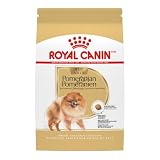
- Royal Canin Pomeranian Adult dry dog food is designed to meet the nutritional needs of pure breed adult Pomeranians
- Features an exclusive formula enriched with EPA and DHA to support and maintain skin health and a nourished, beautiful healthy coat
- Supports this small breed dog’s fragile knees, joints, and overall bone health
- Delivers a balanced blend of digestible fibers and highly digestible protein to promote digestive health and optimal stool quality
- Provides a smaller kibble shape and size to support the Pomeranian’s smaller jaw while helping to reduce tartar formation, by encouraging the dog to chew

Last update on 2026-10-15 / Affiliate links / Images from Amazon Product Advertising API
Breeders of purebred Pomeranians, one of the most beloved toy breeds, need to know everything about responsible breeding practices, from selecting parents with strong pedigrees to properly feeding newborns.
So whether you’re a seasoned breeder or simply curious about the process, let’s learn more about breeding Pomeranians!
Essential Information About the Pomeranian Dog Breed
Physical Characteristics and Temperament
Pomeranian puppies are one of the smallest purebred breeds, weighing only 3-7 pounds and standing at 6-7 inches tall.
Despite their small size, they have a big personality and are known for being lively, playful, and affectionate pups. They have a thick double coat that comes in many colors and patterns.
While Pomeranians, like many different breeds of pups, make great pets for many people, their small size and delicate nature may make them unsuitable for families with young children.
Socializing them early on as puppies is important to ensure they don’t become overly protective or aggressive towards strangers.
Common Health Issues in Pomeranians
Like many breeds, Pomeranians are prone to certain health issues such as hip dysplasia, dental problems, eye infections, and allergies.
Pet owners should take their Pomeranian pups to regular check-ups with a vet familiar with the breed.
If you want to adopt a Pomeranian puppy, research and find reputable breeders who prioritize their puppies’ health.
One of Pomeranians’ most common health issues, especially in pups and puppies, is Luxating Patella, where the kneecap dislocates from its usual position, causing pain or lameness.
This condition can affect dogs registered with kennel clubs and, depending on its severity can be treated through surgery or medication.
Exercise and Grooming Requirements
Like many other puppy breeds, Pomeranians require daily exercise despite their small size. A short walk around the block or playtime in the backyard will suffice for these energetic pups.
However, it’s essential not to over-exercise them, as it can lead to joint problems later in life.
Pomeranians require regular grooming like many dog breeds due to their thick double coat.
Brushing puppies and pups at least twice a week will help prevent hair matting and tangling, which can cause skin irritation.
Trimming dog nails once every two weeks helps prevent breakage or injury while walking.
Training Needs for Pomeranian Dogs
Training is crucial for Pomeranian puppies as they can be stubborn and difficult to train if not done correctly.
Early socialization is key to ensuring they are comfortable around other animals and people, which is especially important for this breed of pups.
Positive reinforcement training methods work best with Pomeranians as they respond well to praise and rewards.
Consistency is also crucial in their training routine, ensuring that commands are clear, concise, and easy to understand.
This applies to adult Pomeranians and Pomeranian puppies, one of the most trainable pups.
Female Pomeranian for Breeding: Age and Considerations
The ideal age range for female Pomeranians to breed
Breeding a female Pomeranian can be an exciting and rewarding experience for the breeder, but it’s important to consider the ideal age range for breeding.
Generally, female Pomeranians should not be bred until they are at least one year old.
This allows them to reach sexual maturity and ensures they are physically mature enough to handle pregnancy and whelping, resulting in healthy puppies or pups from the breeds.
However, it’s also important for a breeder to choose the right age for breeding their pomeranian dogs. The ideal age range for breeding pomeranian puppies is between one and five.
After five years of age, the risk of complications during pregnancy increases significantly, which can endanger the health of both the mother and her offspring.
Factors to consider before breeding a female dog
Before breeding your female Pomeranian, you should consider several factors, including the breeds of the potential puppies, the health of the pups, and the responsibility of raising a new puppy.
- Health: Your dog should be in good overall health before breeding any breeds of pups, including Pomeranian puppies. This includes being up-to-date on vaccinations and free from any underlying health conditions affecting the puppy’s health.
- Breeding pomeranian dogs of good breeds with a good temperament is important as it can influence the temperament of her puppies and their offspring.
- Genetics: It’s essential to ensure that both the male and female dog breeds have undergone genetic testing to screen for any potential inherited health issues, especially if you plan to have puppies or pups.
- Time commitment: Breeding different breeds of Pomeranian dogs can be time-consuming and require significant effort. You must be prepared to invest time in caring for your pregnant Pomeranian dog during gestation, whelping, and raising pups.
Health screenings and genetic testing for breeding females
To ensure that your female Pomeranian is healthy enough to breed and produce healthy pups, she should undergo several health screenings.
These may include blood tests, X-rays or ultrasounds, heart evaluations, eye exams, hip dysplasia screening, and other tests specific to breeding and producing healthy puppies.
When considering breeding your Pomeranian, it’s important to prioritize both the mother’s and potential breeds’ health.
In addition to health screenings, male and female dogs of certain breeds should undergo genetic testing before mating. Genetic testing can help identify potential inherited diseases or conditions that may be passed on to puppies.

- 𝗔𝗿𝗲 𝘆𝗼𝘂 𝗮 𝗱𝗼𝗴 𝗕𝗿𝗲𝗲𝗱𝗲𝗿?: Looking for the highest quality Whelping Box for large and small dogs? Look no further, with ZETY Whelping Box for small and large dogs you can be confident that you’ll now have a great looking and longest lasting Dog whelping Pen.
- 𝐒𝐚𝐟𝐞𝐭𝐲 𝐅𝐢𝐫𝐬𝐭: We Know your dogs can be jumpy and have abundant energy that’s why we created the ZETY Whelping Dog Box with high safety rail so you can have the peace of mind knowing your dogs are safe and secure
- 𝐏𝐞𝐫𝐟𝐞𝐜𝐭 𝐟𝐨𝐫 𝐥𝐚𝐫𝐠𝐞 𝐝𝐨𝐠𝐬 𝐚𝐧𝐝 𝐩𝐮𝐩𝐩𝐢𝐞𝐬: Looking for the perfect Whelping Box for large dogs? Look no further, with the ZETY Large Whelping Pen with its 88 In. * 45 In. size you’ll be able to fit in multiple large Breeds at once.
- 𝗘𝗮𝘀𝘆 𝗶𝗻𝘀𝘁𝗮𝗹𝗹𝗮𝘁𝗶𝗼𝗻: We know you really want your dogs to enjoy they’re new Whelping Box, and installation should never be a hassle. With the ZETY Dog Birthing pens you’ll have your new whelping box up in no time.
- 𝗡𝗢𝗡-𝗦𝗟𝗜𝗣: Anti-slip surfaces on the legs and pads keep everything stable. No worries about slipping or sliding around
Last update on 2026-10-15 / Affiliate links / Images from Amazon Product Advertising API
Preparing a female dog for pregnancy and whelping
Preparing your Pomeranian dog for pregnancy and whelping is crucial to ensure a successful outcome for both the mother and her pups.
Here are some steps you can take to prepare this breed for puppies:
- Consult with your veterinarian: Your vet can guide you on how to care for your pregnant dog, including nutrition, exercise, and prenatal care. It is important to discuss any potential problems that may arise during the pregnancy and delivery of the puppies, as well as recommendations for specific breeds. Additionally, your vet can advise you on properly caring for the pups once they are born.
- Adjust her diet: Your Pomeranian’s nutritional needs will change during pregnancy. It would be best to switch her to a high-quality puppy food rich in protein and nutrients, especially for small dog breeds like Pomeranians, which have tiny pups.
- Create a safe space: Designate an area in your home where your dog, regardless of breed, can give birth and raise her pups without problems.
- Invest in necessary supplies: You’ll need several supplies on hand during the birthing process for your bitch and her puppies, including clean towels or blankets, heating pads or lamps, scissors, dental floss or thread. It’s important to be prepared for potential problems, especially with certain breeds known for difficult deliveries.
Identical or Similar: Pros and Cons of Breeding Pomeranians
Breeding Pomeranians can be a challenging but rewarding experience for dog owners. You must decide whether to breed identical or similar breeds as a breeder.
Both options have pros and cons, and it is essential to weigh them before deciding. Breeding Pomeranians can also lead to problems, such as complications during pregnancy or difficulties delivering puppies.
Additionally, it’s crucial to ensure that the bitch is in good health before breeding.
Pros and Cons of Breeding Identical Dogs
Breeding identical Pomeranians involves breeding two dogs of the same breeds that share the same physical traits, temperament, and genetic makeup.
Here are some pros and cons to consider when breeding puppies from the mother since potential problems can arise due to the inbreeding nature of this process.
Pros
- Predictable outcomes: When you breed identical dog breeds, you can expect predictable outcomes regarding their puppies’ appearance, size, temperament, and health. However, breeding the same bitch repeatedly can lead to problems with the health of the puppies.
- Preservation of desirable traits: If your dog breeds have desirable traits such as a unique coat color or size that you want to preserve in its puppies, breeding it with an identical dog can help achieve this. However, be aware of potential problems that may arise from inbreeding.
- Easier management: Identical breeds of puppies tend to have similar needs in diet, training, and grooming. This makes managing them easier for breeders and reduces problems that may arise when caring for a bitch and her litter.
Cons
- Increased risk of genetic disorders: Breeding identical pomeranian puppies from the same dog or bitch increases the risk of passing on genetic disorders such as joint problems or heart defects that affect both parents.
- Limited gene pool: Breeding identical dogs limits the gene pool available for future generations of puppies. This could lead to inbreeding depression, where inherited problems and diseases become more prevalent among offspring, especially if the same bitch is repeatedly bred.
Pros and Cons of Breeding Similar Dogs
Breeding similar Pomeranians involves breeding two dogs with some physical traits but different temperaments or genetic makeup.
Here are some pros and cons:
While breeding, it is essential to consider the puppies’ health and avoid potential problems arising from inbreeding.
Pros
- Genetic diversity: Breeding similar Pomeranians ensures more genetic diversity in their offspring, resulting in healthier puppies and preserving desirable traits for the dog breed.
- Healthier puppies: Breeding dogs with varied genetic makeup can reduce the risk of inherited diseases such as joint problems or heart defects in the offspring.
- More options: When you breed similar dogs, you have more puppies to choose from.
Cons
- Unpredictable outcomes: Breeding similar dogs can result in unpredictable outcomes regarding their offspring’s appearance, size, temperament, health, and puppies.
- Requires more management: Similar puppies may have different diets, training, and grooming needs. This requires more management on the part of the breeder.
Choosing a Compatible Mate for Your Dog
Choosing a compatible mate for your dog is crucial when breeding Pomeranians and producing healthy puppies.
Here are some factors to consider:
- Breed: Look for a dog breed with a temperament that complements your dog’s personality. This will ensure that their puppies have desirable temperamental traits.
- Physical Traits: Choose a breed of dog with physical traits that complement your dog’s appearance. This will help preserve desirable physical traits in their offspring, ensuring that the puppies inherit the best qualities from both parents.
- Health History: Ensure that the potential mate of your Pomeranian stud dog has no history of inherited diseases such as joint problems or heart defects. This is important to ensure healthy puppies from your Pomeranian dog breed.

- VET RECOMMENDED FORMULA- A daily nutritional supplement with a synergistic blend of essential vitamins, minerals, and antioxidants!
- TASTY SOFT CHEWS- Our delicious heart shaped soft chews help maintain optimal health in dogs no matter the breed, age or activity level! Easy to administer!
- DIETARY SUPPLEMENT- Perfect to supplement your dog’s diet. Helps with skin & coat, digestion, bladder support, and overall health!
- MADE IN USA- Made in FDA, USDA and FSIS Regulated Manufacturing Facilities. All raw materials utilized are of the highest quality and are evaluated for purity and potency prior to use.
- Healthy Breeds offers an assortment of dog healthcare products, grooming products and treats for over 200 breeds! Make sure to search for your breed! Click the Healthy Breeds hyperlink above the title to see our amazon storefront!
Last update on 2026-10-15 / Affiliate links / Images from Amazon Product Advertising API
Realities of Breeding Pomeranian Dogs: Costs and Returns
Financial considerations when starting a breeding program
Breeding Pomeranians and raising puppies can be expensive, and it’s important to consider the costs before starting a breeding program.
The initial cost for purchasing a purebred Pomeranian dog can range from $500 to $5,000, depending on the breeder and pedigree.
Other expenses include veterinary fees, genetic testing, food, grooming supplies, advertising, and caring for the puppies.
A solid financial plan is essential before beginning any breeding program, especially for Pomeranian dogs.
This includes creating a budget that outlines all expected costs of raising puppies, hiring a Pomeranian stud dog, and setting aside funds for unexpected expenses.
Potential income from selling puppies
One of the main reasons people breed dogs, particularly Pomeranians, is for the potential income from selling puppies.
However, it’s important to note that this is not always guaranteed.
The amount you can charge for each puppy depends on factors such as pedigree, coat color, size, and overall health.
On average, popular dog breed Pomeranian puppies sell for around $1,000 to $2,500 each.
However, some dog breeders may charge more or less depending on their location and reputation within the industry.
It’s also important to remember that selling Pomeranian puppies of any breed involves additional fees, such as advertising and veterinary costs for vaccinations and check-ups.
Unexpected expenses that may arise during the process
Breeding dogs, especially Pomeranians, has its fair share of complications and unexpected expenses.
These can include emergency veterinary visits due to dog pregnancy complications or issues with newborn puppies.
If you’re new to breeding dogs or don’t have experience whelping (delivering) puppies yourself, you may need assistance from a professional breeder or veterinarian, which could come at an additional fee.
Setting aside funds for unexpected expenses related to puppies and dogs is essential so they don’t derail your entire breeding program.
Balancing costs with ethical responsibilities
While breeding Pomeranians and raising puppies can be lucrative, it is important to balance the financial costs with ethical responsibilities towards the dogs.
This includes ensuring that your dog breeding program meets industry standards and does not contribute to overbreeding or genetic health issues within the breed.
Proper care for dogs and puppies, including regular veterinary check-ups, socialization, adequate living conditions, and appropriate breed-specific care, is also essential.
Ensuring Pomeranian Health: Guarantee and Testing
Breeding Pomeranians can be a fulfilling experience, but it comes with great responsibility.
As a breeder, you must prioritize the health of your dogs and ensure that they are free from genetic disorders that could be passed down to their offspring, including their puppies.
Importance of Health Guarantees in Puppy Sales
Health guarantees are essential when selling puppies.
They give dog buyers peace of mind, knowing they are investing in a healthy pet.
As a breeder, you should offer a written guarantee that covers any genetic or hereditary conditions that may arise within a specified period after purchase.
This guarantee should include steps to take if the dog’s health becomes problematic.
Recommended Health Tests for Parent Dogs
Before breeding your Pomeranians, testing them for potential health problems is crucial.
This includes getting regular check-ups from a veterinarian and conducting recommended tests such as those for puppies and dogs.
- Hip dysplasia evaluation
- Eye examination
- Patella Evaluation
- Cardiac exam
- DNA testing for known genetic diseases
By testing parent dogs regularly, you can identify potential issues early on and make informed decisions about whether or not to breed them, which can help ensure the health of their puppies.
Understanding Common Genetic Disorders in the Breed
Pomeranians are prone to several genetic disorders that breeders must watch out for, especially when breeding puppies.
Some of these include health issues that can affect the well-being of your dog.
- Luxating patellas is a condition in which the kneecap dislocates from its normal position, commonly found in dogs and certain breeds.
- Dental problems: The Pomeranian dog breed has small mouths, which can lead to overcrowding and tooth decay.
- Dog eye problems include cataracts, dry eye syndrome (KCS), and progressive retinal atrophy (PRA) that can affect any breed.
- Collapsing trachea: This is a condition in which the cartilage rings in certain breeds’ trachea collapse, making it difficult for the dog to breathe.
- Hypoglycemia: A condition where blood sugar levels drop dangerously low, which can affect any breed of dog.
It’s essential to be aware of these conditions and take steps to prevent them from occurring in your dog breeding program.
Strategies to Minimize Risk Factors in Your Breeding Program
To minimize the risk of genetic disorders in your dog breeding program, you should:
- Only breed dogs that have passed all recommended health tests.
- Provide quality care, food, and treatment for your dogs.
- Keep detailed records of each dog’s breed and medical history and share this information with potential buyers.
- Register your dog breeding program with reputable organizations like the American Kennel Club (AKC).
- Set a minimum age for dog breeding and limit how often a female dog can breed.
- Consider dog outcrossing with other breeds to reduce the risk of genetic disorders.

- Healthy Breeds Dental Sticks are a daily solution to help your dog’s oral hygiene. Vet formulated triple enzyme large or mini dental sticks are a tasty treat that will help control plaque, reduce tartar, and freshen breath!
- Veterinarian formulated and recommended! Our triple enzyme formula will help control plaque, reduce tartar and freshen breath!
- Our tasty chicken liver flavored sticks are easy to digest, low calorie and grain & soy free! A premier treat that will also help their oral hygiene!
- Made in the USA! Our dental sticks are made in federally regulated manufacturing facilities! Excellent customer service and return policy. 100% satisfaction guaranteed!
- Healthy Breeds offers an assortment of dog healthcare products, grooming products and treats for over 200 breeds! Make sure to search for your breed! Click the Healthy Breeds hyperlink above the title to see our amazon storefront!
Last update on 2026-10-15 / Affiliate links / Images from Amazon Product Advertising API
FAQs About Breeding Pomeranians
How many times can you breed a female dog?
The Kennel Club rules state that a bitch should not be bred from more than once in any 12 months, and she should not have more than six litters in her lifetime.
This is to ensure the health and welfare of the mother dog.
Overbreeding can lead to exhaustion, malnutrition, and other health issues.
What is involved in whelping puppies?
Whelping puppies of a specific breed involves preparing for the birth of the litter and providing care for both the mother and her offspring.
Before giving birth, the mother dog of the breed needs a quiet, comfortable place to rest. During labor, she may need assistance with delivering each puppy of the breed.
Afterward, both mom and pups of the breed require close monitoring for signs of distress or complications.
How do I know if my male dog is fertile?
A male dog’s fertility can be assessed through semen analysis performed by a veterinarian.
The analysis measures sperm count, motility (movement), morphology (shape), and other factors that affect fertility.
It’s important to note that fertility can vary over time due to age or health changes and may also differ depending on the dog’s breed.
When should I start socializing my puppies?
Socialization should begin as early as possible – ideally during the first few weeks of life when puppies are still with their littermates, regardless of breed.
However, it’s never too late to start socializing your dog!
Introduce them gradually to new people, animals, sights, sounds, smells – anything they might encounter throughout their lives.
Breeding Pomeranians requires careful planning and attention to detail at every process stage.
Understanding these frequently asked questions about breeding Pomeranians will better equip you to provide your dogs with optimal care.
Remember always to follow Kennel Club rules regarding breeding practices—this ensures your dogs remain healthy and happy throughout their lives!
Breeding Pomeranians for Success
Breeding Pomeranians can be a challenging but rewarding experience.
To ensure success, it is important to consider essential information about the breed, the age and considerations for female Pomeranians, getting another Pomeranian, the realities of breeding costs and returns, and ensuring the health of your dogs through guarantee and testing.
In summary, breeding Pomeranians requires careful planning and investment.
Understanding the breed’s characteristics and health risks is crucial before deciding to breed.
Other factors that should be considered include choosing a healthy female dog at an appropriate age and considering whether to get an identical or similar dog.
Breeding Pomeranians can be costly, so weighing the potential returns against these expenses is important.
Ensuring your dogs’ health through guarantees and testing will also help increase their value in the market.
Overall, this can be a fulfilling endeavor if you are passionate about breeding Pomeranians and have thoroughly researched the subject. Remember to prioritize your dogs’ well-being above all else.
FAQs About Breeding Pomeranians
Q: How often should I breed my female Pomeranian?
Female dogs of the Pomeranian breed should not be bred more than once yearly to prevent complications during pregnancy or delivery.
Q: Can I breed my male Pomeranian with different breeds?
Yes, male Pomeranians can mate with other dog breeds, but it is important to consider any potential health risks or genetic disorders arising from crossbreeding.
Q: How much does it cost to breed a litter of Pomeranian puppies?
The cost of breeding a dog varies depending on various factors, such as the breed, veterinary care, food expenses, stud fees (if applicable), etc. Still, on average, it could cost anywhere from $500 to $3000 per litter.
Q: Is it necessary to have a breeding contract when selling Pomeranian puppies?
A: A dog breeding contract ensures the new owner understands their responsibilities and obligations and any guarantees or warranties the breeder provides.
Q: Can I breed my Pomeranian without AKC registration papers?
A: While it is possible to breed Pomeranians without registration papers, it may affect the value and demand for your puppies in the market. It is recommended to register your dogs with AKC before breeding.
Q: How do I know if my female Pomeranian is ready for breeding?
Your female dog, specifically a Pomeranian, should be at least 2 years old and have undergone at least two heat cycles before considering breeding. Consult a veterinarian to determine if she is physically and mentally ready for breeding.
Q: What should I do if my Pomeranian experiences complications during pregnancy or delivery?
Contact a veterinarian immediately if you suspect any complications during your dog’s pregnancy or delivery, especially if she is a specific breed. They can provide medical assistance and ensure the safety of both mother and puppies.


