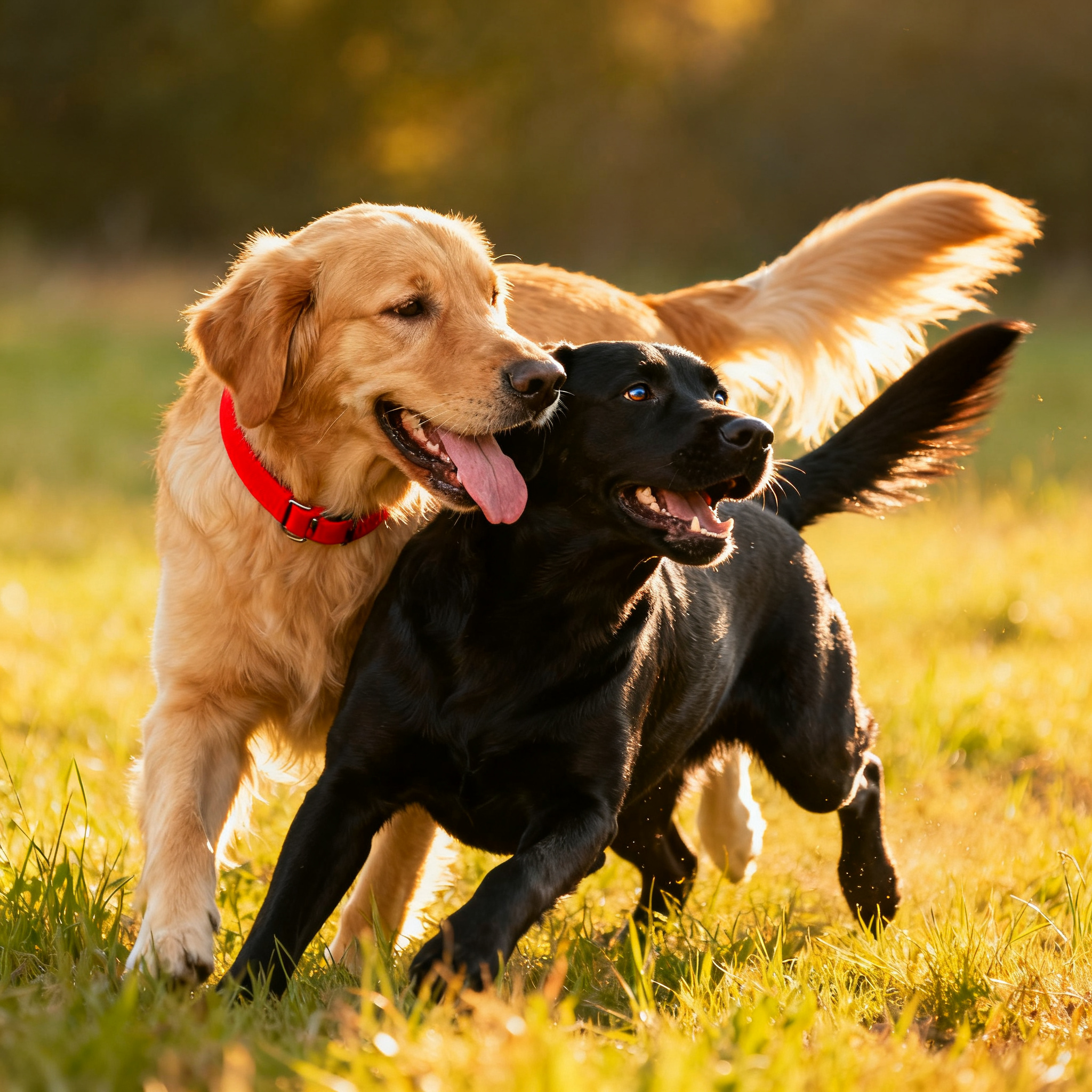
Dog Breeding 101: Which is More Crucial, the Male or Female Dog?
In responsible dog breeding, success hinges on more than pedigrees-it depends on the complementary roles of both parents.
Genetic contributions, reproductive health, and pre-breeding screenings shape outcomes long before a litter arrives.
This overview examines how male and female lineage, physiology, and preparation intersect to influence puppy viability and long-term breed integrity.
Introduction to Dog Breeding
_1.jpeg)
Modern responsible dog breeding programs track 40+ health markers and maintain inbreeding coefficients below 6.25% using pedigree analysis software like Pedigree Assistant and Embark.
The American Kennel Club reported 812,000 dogs registered in 2023, reflecting ongoing interest in purebred dogs.
Breeders distinguish between preservation breeding, focused on maintaining breed integrity, and commercial breeding, which prioritizes volume over health standards.
Successful programs define their breeding goals as preserving breed-standard traits while actively reducing the prevalence of genetic diseases across generations. The 2022 OFA database documented hip dysplasia rates varying significantly by breed, with Labrador Retrievers showing 11.4 percent excellent hip scores.
This data helps breeders make informed decisions about which dogs to include in their programs.
Three primary breeding objectives guide most programs today. Show lines emphasize conformation and appearance for competition. Working lines prioritize performance abilities in specific tasks.
Dual-purpose dogs combine both conformation qualities and working capability in one animal.
The Canine Health Information Center establishes requirements for 15 or more breeds, mandating at least 5 health clearances before breeding. These standards help ensure that only dogs meeting specific health criteria contribute to future generations.
Responsible breeders follow these guidelines to produce healthier puppies with improved genetic profiles.
Genetics: The Foundation
Understanding quantitative genetics requires tracking estimated breeding values over 12-15 generations using software such as BreedMate or Canine Genetics Consultant. The genotype shapes every observable phenotype through interactions between dominant and recessive genes.
Most conformation traits show heritability estimates between 0.2 and 0.6.
These values help breeders predict how strongly a trait will appear in future litters. Polygenic traits such as hip structure or coat quality depend on multiple gene locations working together.
Environmental factors also influence expression even when the underlying genes remain stable.
Tracking these patterns across generations creates a clearer picture of which dogs carry desirable combinations. This foundation supports decisions about pairing specific sire and dam lines.
The following sections examine how each parent contributes distinct genetic material to offspring.
Male Genetic Contribution
Sires contribute 50 percent of nuclear DNA plus the entire Y chromosome, with popular sire syndrome documented in 23 breeds where one stud accounts for 15-30 percent of annual registrations.
Each male dog carries 38 autosomes plus the Y chromosome, which carries the SRY gene that determines male development. This combination influences traits passed only through paternal lines.
Popular sire syndrome occurs when one champion produces thousands of offspring over several years. Research shows this practice increases homozygosity and reduces overall genetic diversity in affected breeds.
The top 10 percent of sires often account for a large share of lost variation within a population.
Sires never transmit mitochondrial DNA to any offspring. They do pass one X chromosome to each daughter, which can carry X-linked traits that appear differently in sons and daughters.
Careful pedigree review helps identify instances when a single male line dominates registrations too heavily.
Female Genetic Contribution
Dams transmit all mitochondrial DNA and two X chromosomes, and research shows that mitochondrial haplotype diversity is reduced in closed-breeding populations over multiple decades.
Every puppy receives its mitochondrial DNA exclusively from the dam, regardless of sex. This genetic material affects cellular energy production throughout life.
Dams pass one X chromosome to each son, making males hemizygous for any X-linked disorders. Daughters receive one X from each parent and may carry conditions without showing symptoms.
Genetic panel testing identifies carrier status before breeding decisions are finalized.
Analysis of runs of homozygosity reveals that dams contribute more than half of autozygosity in many offspring.
This pattern highlights the dam’s role in shaping long-term genetic health. Breeders review both parental contributions when planning matings that maintain diversity while selecting for desired traits.
Reproductive Anatomy and Physiology
_2.jpeg)
Breeding soundness examinations evaluate 8 anatomical parameters and 3 semen-quality metrics using standardized protocols established by the Society for Theriogenology. These evaluations establish whether a male dog or female dog meets the minimum standards required for responsible breeding programs.
Structural components of the canine reproductive system include gonads responsible for gamete production and accessory structures that support fertilization. Hormonal regulation coordinates the timing of gamete release and prepares the reproductive tract for successful mating.
Anatomical compatibility between the stud dog and the dam influences both natural breeding success and artificial insemination procedures.
Clinical evaluation standards focus on identifying structural abnormalities before any breeding decision occurs.
Understanding these baseline systems allows breeders to assess each parent’s contribution to fertility and offspring viability.
This foundation supports later discussions about selection priorities between male and female roles in a breeding program.
Male Reproductive System
Normal canine semen parameters include 70%+ progressive motility, 80%+ normal morphology, and a minimum concentration of 200 million sperm per ejaculate per Society for Theriogenology guidelines. These benchmarks help determine whether a stud dog can reliably contribute viable genetics to future litters.
The testes maintain a temperature 2-3 degrees Celsius below core body temperature to support sperm production. The epididymis provides a 14-day maturation period, while the prostate gland contributes the majority of ejaculate volume during collection.
Semen analysis requires collection via manual stimulation followed by evaluation within 30 minutes using CASA systems. Testosterone levels in intact males typically range from 1 to 5 ng/mL, according to clinical references.
Chilled semen shipping utilizes egg yolk tris extender to maintain viability for up to 48 hours during transport.
Breeding soundness exam components include testicular palpation, prostate ultrasound, and brucellosis testing to confirm overall reproductive health before any breeding contract is signed.
Female Reproductive System
Canine estrus cycles average 21 days, with ovulation occurring 48-72 hours after the LH surge, detected via serum progesterone reaching the 4-10 ng/mL threshold.
This timing directly affects decisions about natural breeding versus artificial insemination methods.
The four-stage cycle consists of proestrus, estrus, diestrus, and anestrus, with each phase presenting distinct behavioral and physiological changes.
Progesterone testing begins around day 5 of proestrus and continues at 48-72 hour intervals until the ovulation threshold appears.
Follicular development produces 15-20 follicles per ovary with an ovulation rate between 80 and 90 percent in healthy females. Ultrasound measurements track endometrial thickness during diestrus to monitor uterine preparation for pregnancy.
Luteinizing hormone surge detection relies on in-house ELISA kits that provide rapid results for precise ovulation timing.
Accurate cycle monitoring helps breeders schedule matings that maximize conception rates while minimizing unnecessary stress on the dam.
Health Screening and Testing
CHIC certification requires a minimum of five health clearances, with OFA hip scores under 0.5 and a distraction index under 0.5 for 42 breeds, including Labrador Retrievers and German Shepherd Dogs. Both male and female dogs need these evaluations before breeding occurs. The process ensures that genetic disorders do not pass to future litters.
Screening covers multiple body systems through different diagnostic methods. Each test has specific timing requirements and associated costs that breeders must budget for properly.
| Screening Modality | Cost | Minimum Age |
|---|---|---|
| OFA Hips | $45 | 24 months |
| PennHIP Distraction Index | $250 | 16 weeks |
| Elbow Dysplasia | $35 | 24 months |
| Cardiac Evaluation | $45 | 12 months |
| CERF/CAER Eyes | $45 | 12 months |
| Patella Luxation | $35 | 12 months |
| Thyroid Function | $55 | 12 months |
| Genetic Panel Testing | $150-300 | 8 weeks |
Health testing applies equally to stud dog and dam selection. A male dog passes on half the genetic material, while the female dog contributes the other half, plus pregnancy care. Both parents must meet breed health standards to produce sound puppies.
DNA testing panels from Embark cover over 270 conditions. These include degenerative myelopathy, progressive retinal atrophy, and exercise-induced collapse. Results identify carrier status and help breeders avoid pairing two carriers together.
Golden Retrievers need eight clearances for the CHIC designation. Border Collies require six specific evaluations. Each breed has unique health concerns that testing must address before breeding decisions occur.
Screening costs range from $400 to $700 total. This investment prevents potential treatment expenses exceeding 15000 dollars for affected offspring. Responsible breeding includes these evaluations as standard practice.
Breeding Process and Timing
_3.jpeg)
Optimal natural breeding occurs 2-3 days after ovulation, with progesterone levels at 15-25 ng/mL, achieving 85-92% conception rates, according to 2020 veterinary fertility clinic data.
Timing accuracy directly affects litter size and puppy health. Breeders track the female dog closely during her heat cycle to identify the ideal window.
Progesterone testing typically begins on day 5 of discharge. The first breeding happens when levels reach 4-8 ng/mL. A second breeding follows 48 hours later once levels climb to 12-25 ng/mL.
Ovulation predictor kits show 94% correlation with serum progesterone results, offering a reliable home monitoring option for many breeders.
Three main breeding methods exist for different situations. Natural tie lasts 15-45 minutes on average and yields an 87% conception rate. Transcervical insemination uses fresh semen with 92% conception but requires sedation for the female dog.
Surgical insemination works with frozen semen at 78% conception and carries a procedure cost of $1,200-1,800.
Stud fees range from $1,500-5,000 or pick-of-litter arrangements for champion bloodlines. Breeding contracts outline key protections. These include limited registration requirements, a 72-hour return-period clause, and a 2-year health guarantee for genetic conditions.
Clear written agreements protect both the stud dog owner and the dam owner.
Gestation and Whelping
Canine gestation averages 63 days from ovulation, with ultrasound on day 28 showing high accuracy in litter size estimation and fetal viability assessment. The female dog carries the entire pregnancy, which makes her health and care the central focus during this period.
Proper monitoring helps ensure both the dam and puppies remain healthy throughout the process.
Days 1 through 20 involve implantation with no visible external changes. Days 21 to 35 mark organogenesis, when ultrasound can detect developing fetuses around day 25.
The stud dog contributes genetics that influence fetal development, yet the dam provides the environment for growth during these critical weeks.
Days 36 to 45 are characterized by rapid fetal growth, with measurable increases in crown-rump length each day. Nutrition for the dam increases by 10 percent during weeks 1 to 4, then rises to 20 percent in weeks 5 and 6, reaching 50 percent by weeks 7 through 9.
This adjusted diet supports the dam as she sustains multiple developing puppies.
Days 46 to 63 focus on final maturation before birth. The dam requires a quiet space with controlled conditions to prepare for delivery.
A whelping box measuring 48 inches by 48 inches works well for a 50-pound dam, with temperatures maintained between 75 and 80 degrees Fahrenheit and humidity between 55 and 65 percent.
Stage two labor that exceeds 60 minutes or green discharge without delivery signals potential dystocia. A temperature drop below 99 degrees Fahrenheit without progression also requires veterinary attention. Some breeds, including Boston Terriers and Bulldogs, have higher cesarean rates, making early monitoring essential for these lines.
After birth, puppies need colostrum within the first 12 hours at a rate of 1 milliliter per ounce of body weight. The APGAR scoring system evaluates puppies at 5 minutes and 60 minutes post-birth to assess their condition. Deworming begins at week 2 as part of routine neonatal care to support healthy development.
Conclusion: Equal Importance
Successful preservation breeding programs maintain heterozygosity above 0.35 while achieving 90%+ health clearance compliance across the breeding stock.
Both the sire and dam carry equal responsibility for the health and quality of each litter. Neither parent receives exemptions from screening requirements based on gender alone.
Each dog contributes half of the genetic complement that shapes offspring traits. Research suggests programs using dual-parent health testing achieve meaningful reductions in congenital defect rates over multiple generations.
This approach eliminates assumptions that one parent matters more than the other.
Ethical obligations apply equally to both sides of any breeding decision. Responsible breeders include spay-or-neuter contracts for pet-quality puppies.
They offer a 72-hour cooling-off period and lifetime support for all offspring.
Prospective breeders benefit from structured preparation before starting any program. Joining a national breed club offers access to mentorship opportunities.
Completing a two-year mentorship program builds practical knowledge through hands-on guidance.
Maintaining a breeding log with at least 15 data points per mating creates clear records for future reference.
Frequently Asked Questions
Dog Breeding 101: Who’s More Important, Male or Female?
_4.jpeg)
In Dog Breeding 101, both the male and female play essential roles, but their contributions differ in genetics and nurturing.
When considering Dog Breeding, the female often carries more influence due to her role in gestation and early puppy care.
In Dog Breeding 101, the male contributes half the genetic material, making his health and traits just as critical as the female’s.
Exploring Dog Breeding 101 reveals that neither is more important; successful breeding requires a balanced selection of both parents.
Dog Breeding 101: emphasizes testing both the male and female for genetic issues to ensure healthy litters.
Ultimately, Dog Breeding 101 shows that the female’s environment and the male’s genetics together determine puppy outcomes.