

What Are the Best Practices for Breeding Labradors?
Breeding Labrador Retrievers requires careful planning, thorough breed knowledge, and a commitment to responsible breeding practices.
Labrador Retrievers are one of the most popular dog breeds globally, known for their friendly demeanor, intelligence, and versatility.
This comprehensive guide provides detailed steps and considerations for successfully breeding Labrador puppies, ensuring the health and well-being of both the dam and the puppies.
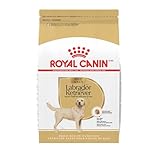
- BREED HEALTH DOG FOOD: Royal Canin Breed Health Nutrition Labrador Retriever Adult Dog Food Dry Formula for purebred Labrador Retrievers 15 months and older
- CRUNCHY KIBBLE: Specialized donut-shaped kibble designed for a Labrador Retriever’s fast-eating habits
- HEALTHY WEIGHT: A precise amount of calories and fat helps maintain your Labrador Retriever at a healthy weight
- JOINT HEALTH: Royal Canin dog food with EPA, DHA and glucosamine helps support bone and joint health
- SKIN HEALTH: Healthy dog food with exclusive nutrients that help support the skin barrier to maintain skin health and a beautiful coat

Last update on 2026-10-15 / Affiliate links / Images from Amazon Product Advertising API
Understanding the Commitment
Time and Effort
Breeding Labrador Retrievers demands significant time and effort.
Breeders must invest time in researching, selecting quality breeding stock, caring for pregnant dogs, whelping, and raising puppies.
The commitment extends beyond the initial stages, as breeders must provide ongoing support to puppy buyers and continuously strive to improve their breeding program.
Financial Investment
Breeding Labradors involves substantial financial investment. Costs include purchasing high-quality breeding stock, veterinary care, genetic testing, vaccinations, food, and supplies.
Additionally, breeders should budget for marketing, registration fees, and potential emergency medical expenses.
Breeding Labradors – Ethical Considerations
Ethical breeding practices are crucial for maintaining the breed’s integrity and ensuring the dogs’ health and well-being.
Breeders must adhere to breed standards, avoid overbreeding, and provide proper care and socialization for all dogs. Profit should never come at the expense of the dogs’ welfare.
Selecting the Right Breeding Pair
Health Screenings
Conduct comprehensive health screenings for the dam (female) and sire (male).
These screenings should include:
- Genetic Testing: Labradors should be tested for breed-specific genetic disorders to minimize the risk of passing on hereditary conditions. Common genetic tests for Labradors include those for hip dysplasia, elbow dysplasia, progressive retinal atrophy (PRA), and exercise-induced collapse (EIC).
- Physical Examinations: Regular veterinary check-ups to ensure the dogs have good overall health.
- Vaccinations and Preventative Care: Ensure that both dogs are up-to-date on vaccinations and receive regular parasite control.
Evaluating Conformation and Temperament
Assess the conformation and temperament of both the dam and sire.
Conformation should align with breed standards, and temperament should be stable, friendly, and compatible with the breed’s characteristics.
Dogs with titles or awards in conformation shows, or performance events often indicate superior quality.
Genetic Diversity
Maintaining genetic diversity is crucial for the long-term health of the breed. Avoid inbreeding and consider outcrossing with unrelated lines to introduce new genetic material.
This helps reduce the risk of genetic disorders and improves the overall health of the breeding program.

- Hardcover Book
Last update on 2026-10-15 / Affiliate links / Images from Amazon Product Advertising API
Planning the Breeding
Understanding the Estrous Cycle
To breed Labradors successfully, it’s essential to understand the female dog’s reproductive cycle, which consists of four stages: proestrus, estrus, diestrus, and anestrus.
- Proestrus: The initial stage, lasting about 7-10 days, is characterized by vulva swelling and a bloody discharge. The female is not yet receptive to mating.
- Estrus is the receptive stage, lasting about 5-9 days, when ovulation occurs. The female shows signs of readiness to mate, such as flagging her tail and presenting her hindquarters to the male.
- Diestrus is the period following estrus, lasting about 60-90 days. If the female has conceived, this stage encompasses pregnancy and whelping. If not, her body will gradually return to a non-receptive state.
- Anestrus is the resting phase, lasting about 4-5 months, during which the female is not sexually receptive.
Timing the Breeding
Accurate timing is crucial for successful breeding.
Several methods can help determine the optimal breeding period:
- Vaginal Cytology: Examining cells from the female dog’s vaginal lining under a microscope to identify changes in cell appearance that indicate the approaching estrus stage.
- Hormone Testing: Blood tests measure Progesterone levels to identify the optimal time for mating. Progesterone levels between 4 and 10 ng/mL indicate that the female is ready to ovulate.
- Luteinizing Hormone (LH) Surge Testing: Detecting the LH surge triggers ovulation. Ovulation generally occurs 24-48 hours after the LH surge.
Mating Process
Natural Mating
Natural mating involves allowing the dam and sire to mate naturally. Ensure that the mating occurs during the optimal window of the estrus cycle.
Monitor the dogs to ensure the mating process goes smoothly and without complications.
Artificial Insemination (AI)
AI is a valuable tool when natural mating is not feasible due to geographical separation, behavioral issues, or physical constraints.
AI techniques include vaginal insemination, transcervical insemination, and surgical insemination.
Each method requires expertise to perform correctly and ensure successful conception.
Pregnancy and Whelping
Confirming Pregnancy
Pregnancy can be confirmed through several methods:
- Abdominal Palpation: Feeling for the presence of developing puppies through gentle palpation of the abdomen, typically around 28-35 days post-mating.
- Ultrasound: Conducting an ultrasound to confirm pregnancy and assess the development of the embryos around 25-30 days post-mating.
- Radiography: This procedure uses X-rays to determine the number of puppies and assess their development. It is usually performed later in the pregnancy.
Prenatal Care
Providing proper prenatal care is essential for the health of the dam and her puppies:
- Nutrition: Ensure the dam receives a balanced diet tailored to her needs during pregnancy. Many breeders switch to high-quality puppy food during the last few weeks of pregnancy to support her increased nutritional requirements.
- Exercise: Maintain regular, moderate exercise to keep the dam healthy and fit.
- Veterinary Care: Schedule regular veterinary check-ups to monitor the dam’s health and the development of the puppies.
Whelping Preparation
Preparing for whelping involves setting up a clean, quiet, and comfortable whelping area. This area should provide security for the dam and be easily accessible for monitoring.
A whelping kit with essential supplies, such as gloves, towels, scissors, and a heating pad, is also recommended.

- ✅ MAKE THE SMART CHOICE – Join thousands of satisfied breeders who continue to choose the PUPez whelping box. With our whelping pen, you’re investing in quality, reliability, and peace of mind. Excellence with PUPez is always guaranteed.
- ✅ UNRIVALED DURABILITY – Fed up with flimsy, inferior whelping beds that simply can’t compete with our unbeatable durability? Our whelping box for dogs is engineered using superior materials and design, ensuring it stands the test of time and remains the sturdiest option on the market.
- ✅ DON’T LET CLEANING BE A CHORE – While cleaning other whelping boxes for dogs and puppies leaves you exhausted, our whelping box makes it a breeze. Say farewell to rough materials and hidden nooks & crannies – our sleek design ensures spotless cleanliness in seconds, with minimal effort on your part.
- ✅ MAXIMIZE YOUR TIME, MINIMIZE YOUR EFFORT – Avoid the frustration of time consuming, complicated installation. Our puppy whelping box boasts a user-friendly design that allows you to effortlessly piece it together in minutes, so you can focus on what truly matters – your pups. You’ll see exactly why other brands can’t keep up.
- ✅ ADJUSTABLE FOR EVERY PUPPY STAGE – The PUPez dog whelping pen adjustable entrance is the perfect combination of security and adaptability. Whether you’re welcoming a litter of adorable puppies or needing extra height as they grow, our entrance effortlessly adjusts to meet your needs.
Last update on 2026-10-16 / Affiliate links / Images from Amazon Product Advertising API
Breeding Labradors – Post-Whelping Care
Caring for the Dam
After whelping, providing proper care for the dam is essential to ensure her recovery and the well-being of the puppies:
- Nutrition: Continue feeding a high-quality diet to support lactation.
- Hydration: Ensure the dam has access to plenty of fresh water.
- Monitoring: Regularly check the dam for signs of infection or complications, such as mastitis.
Caring for the Puppies
The first few weeks of a puppy’s life are crucial for their development:
- Warmth: Provide a warm environment, as puppies cannot regulate their body temperature.
- Nutrition: Ensure the puppies are nursing adequately. Supplement feeding may be necessary if the dam cannot provide sufficient milk.
- Monitoring: Regularly check the puppies for signs of health issues, such as weight loss, lethargy, or difficulty nursing.
Finding Suitable Homes for Puppies
Screening Potential Buyers
Implement a thorough screening process for potential buyers to ensure they can provide a suitable home for the puppies.
Ask about their experience with dogs, lifestyle, and understanding of the breed’s needs.
This helps match puppies with responsible owners who meet their physical and emotional needs.
Providing Education and Support
Educate new owners about the breed’s characteristics, care requirements, and training tips.
Providing a puppy care package that includes vaccination records, diet recommendations, and training advice is helpful.
Ongoing support through follow-up calls or visits ensures the new owners are well-equipped to care for their puppy.
Contracts and Agreements
A standard practice is to use a contract that outlines the terms of the sale, health guarantees, and expectations for care and breeding rights. T
his contract protects the breeder and the new owner and ensures that the puppies are cared for throughout their lives.
Continuous Education and Improvement
Attending Seminars and Workshops
Participate in dog breeding, genetics, and veterinary care seminars, workshops, and conferences. These events provide valuable insights and networking opportunities with other professionals in the field.
Collaborating with Veterinarians and Geneticists
Work closely with veterinarians and geneticists to stay updated on best practices and canine health and genetics advancements.
Their expertise can help improve the health and quality of your breeding program.
Evaluating and Adjusting Breeding Practices
Regularly evaluate your breeding practices and make adjustments as needed. Solicit feedback from puppy buyers and other breeders to identify areas for improvement.
Continuously striving for excellence helps ensure the long-term success of your breeding program.
Breeding Labradors Conclusion
Successful breeding of Labrador Retrievers requires careful planning, ethical practices, and a commitment to the dogs’ health and well-being.
Breeders can succeed by understanding the commitment involved, selecting the right breeding pair, planning the breeding process, providing proper care for the dam and puppies, and finding suitable homes.
Continuous education and improvement help breeders stay informed and uphold the highest standards in dog breeding.
Through these efforts, breeders can contribute positively to the future of the Labrador Retriever breed and achieve success while maintaining ethical standards.


