

What You Should Know When Your Dog is Expecting! Dog Pregnancy Signs & Care Tips
Key Points
- Recognize your dog’s signs of pregnancy, such as changes in appetite, behavior, and physical appearance.
- Ensure proper nutrition for your pregnant dog by providing a balanced diet with increased nutrients and consulting with a veterinarian for dietary recommendations for puppy food, many puppies, and pets.
- Schedule regular vet visits during the pregnancy to monitor the health of the mother and the developing puppies.
- Prepare a comfortable whelping box for your dog to give birth and care for her puppies, ensuring a quiet and safe environment.
- Monitor your dog’s health closely during the pregnancy, watching for any signs of complications or distress.
- Understand the labor process, be prepared to provide support and assistance, and be ready for whelping during the birthing process.

Last update on 2026-09-30 / Affiliate links / Images from Amazon Product Advertising API
Did you know that the average canine pregnancy, ending in whelping, lasts approximately 63 days?
Whelping can be an exciting and rewarding experience, but it also comes with responsibilities, such as welcoming a litter of puppies.
Understanding what to expect during your dog’s pregnancy and how to care for her is crucial for ensuring a healthy outcome for both the mother and her pups.
From prenatal care to preparing for whelping, there are essential factors every dog owner should be aware of when their furry friend is expecting.
Whether you’re a first-time dog parent or looking to refresh your knowledge, this guide will help equip you with the essential information to support your dog through this time.
Recognizing Dog Pregnancy Signs
Weight Gain
Observe your dog’s weight gain. Due to the growing fetuses, a dog’s weight can increase by 20-50% during pregnancy.
This is one of the most noticeable signs of pregnancy in dogs. It’s important to monitor this change to ensure a healthy pregnancy.
Swollen Belly
Notice if your dog’s abdomen appears swollen. As the pregnancy progresses, the abdomen will gradually enlarge due to the development of puppies.
A visibly swollen belly indicates that your dog may be pregnant.
Changes in Appetite
Pay attention to any changes in your dog’s appetite. Pregnant dogs may experience fluctuations in their eating habits.
Some may have an increased appetite, while others may show a decreased interest in food. These variations are often linked to hormonal changes during pregnancy.
Ensuring Proper Nutrition
Balanced Diet
Feed your dog a balanced diet to ensure she receives essential nutrients during pregnancy.
Look for food specifically formulated for pregnant or nursing dogs, as it contains the necessary nutrients for her and the developing puppies.
Ensure that the dog food includes a high-quality protein source, such as meat or fish, to support your dog’s increased energy needs during pregnancy.
Opt for dog food rich in essential fatty acids, which is crucial for the puppies’ brain and eye development.
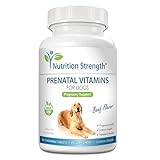
- Complete pre-breeding to weaning support: Specially formulated to meet the intense nutritional demands of expectant dogs. Start during the heat cycle to prep the body, continue throughout pregnancy for fetal health and through nursing to boost milk quality and quantity.
- Enhanced litter viability with folic acid: High-potency folic acid (vitamin B9) helps reduce the risk of cleft palates and supports the healthy development of the neural tube and central nervous system in growing puppies.
- Iron & zinc for mom’s vitality: Pregnancy increases blood volume requirements. Our iron-rich formula prevents “pregnancy weakness” and helps mom maintain energy, while zinc supports a healthy placenta and optimal birth weight for the litter.
- Bone, brain & vision development: Packed with vitamin D, calcium, and B-vitamins (B1, B2, B6, B12) to ensure puppies develop strong skeletal structures, healthy heart functions and sharp vision before they are even born.
- Chewable & tasty for picky eaters: We know pregnant dogs can get finicky. Our tablets meet the strictest animal supplement manufacturing guidelines, to guarantee your pet’s safety, and are formulated for high palatability and can be fed as a treat or easily crumbled into wet food, ensuring mom never misses a day of essential nutrients.
Last update on 2026-10-17 / Affiliate links / Images from Amazon Product Advertising API
Dog Pregnancy – Supplements
Provide supplements as recommended by the vet to complement your dog’s diet.
These supplements may include vitamins and minerals vital for your dog’s health and the proper growth of the puppies.
Always consult your veterinarian before adding supplements to your dog’s diet to avoid potential complications.
Hydration
Ensure that your pregnant dog has access to water at all times. Hydration is crucial during pregnancy, as it supports various bodily functions and aids milk production after delivery.
Monitor her water intake and ensure she stays adequately hydrated throughout this period.
Appetite and Weight Gain
Monitor your dog’s appetite closely during pregnancy.
While some dogs may experience a decrease in appetite during the early stages of pregnancy, their appetite typically increases as they progress through gestation.
Ensure that she gets enough food to support her nutritional needs and the development of the puppies.
Please keep track of her weight gain as well.
A gradual increase in weight is expected during pregnancy, but excessive weight gain could indicate underlying issues such as overfeeding or hormonal imbalances.
Consult your vet if you have concerns about your dog’s weight changes.
Exercise
While pregnant dogs need to stay active, ensure they only engage in moderate exercise. Regular walks and gentle activities are beneficial for maintaining muscle tone and overall health.
However, avoid strenuous activities or excessive jumping, especially during the later stages of pregnancy.
Dog Pregnancy – Scheduling Vet Visits
Confirming Pregnancy
When your dog is expecting, it is crucial to schedule a vet visit as soon as you suspect pregnancy.
The veterinarian will conduct an initial examination to assess your dog’s overall health and provide guidance on prenatal care.
Arrange for an ultrasound around the fourth week of pregnancy to confirm the presence of puppies.
This helps determine the size of the litter and ensures that everything is progressing as expected.
Consider blood tests around 35 days after breeding to confirm the pregnancy further. These tests can detect hormonal changes associated with pregnancy, providing additional assurance.
Discussing Prenatal Care
During the vet visits, discuss prenatal care routines and any necessary adjustments to your dog’s diet and exercise regimen.
Your vet can provide tailored advice based on your dog’s needs and circumstances.
Seek guidance on potential complications or warning signs to watch out for during the pregnancy. Understanding these early on can help you take proactive measures if any issues arise.
Vaccination and Deworming
Ensure that your dog is current on all vaccinations and deworming treatments.
During this crucial stage, it’s essential to protect both the mother and her future puppies from potential infections or diseases.
Discuss with your vet any necessary vaccinations that may need to be administered or updated during the pregnancy period.
This helps ensure the overall health and well-being of the mother and her offspring.
Preparing for Birth
As part of the vet visits, start discussing preparations for whelping (giving birth).
Your vet can help you create a comfortable birthing environment and provide insights into what to expect during labor.
Learning about potential complications that may arise during delivery and understanding when seeking immediate veterinary assistance is crucial.
Being well-prepared can help alleviate stress when the time for birthing approaches.

- Great Durability: Artilife pool is made of PVC and MDF,thick side and thick bottom,very durable.
- Portable: Great travel pool.It folds up well,easy to clean,and has been a great travel pool.
- Foldable: Drain the water,fold the sides edges,put the drain port up,fold the bottom,easy set up and fold,It folds up tiny and folds up for easy storage.
- Functional: Great whelping pool!Perfect for whelping,you can use this pool as a whelping box for your dog,also it can be a ball pit,plus you can use it for bathing your dogs.
- Package Included: 1 Pack 39inch Dia.x12inch H Whelping Pool Whelping Box.
Last update on 2026-10-17 / Affiliate links / Images from Amazon Product Advertising API
Dog Pregnancy – Preparing a Nesting Area
Comfortable Nesting
Provide a quiet and cozy space to create a comfortable nesting area for your dog.
Choose a quiet corner in your home away from high-traffic areas. This will help your dog feel secure and relaxed during this stage.
Soft Bedding
Offer soft bedding such as blankets or towels for your dog to rest comfortably. Ensure the bedding is clean and warm to provide a cozy environment for your expecting dog.
The softness of the bedding will help your dog find comfort during this time.
Separation from Other Pets
Keep the nesting area separate from other pets in the house.
This separation will prevent any disturbances or stress for your expecting dog, allowing her to focus on preparing for the arrival of her puppies.
Ensuring a peaceful environment is crucial during this stage.
Monitoring Health Closely
Postpartum Examination
After your dog has given birth, it is crucial to monitor her health closely. Schedule a postpartum examination with the veterinarian to ensure she is recovering well.
This examination will help identify potential health issues and provide appropriate medications if necessary.
It’s essential to monitor your dog’s behavior or physical condition for changes. Look for signs of fever, which could indicate an infection.
Observe her closely for any unusual discharge or odor, as these can indicate a health issue.
Milk Production
One crucial aspect of monitoring your dog’s health after giving birth is ensuring she produces enough milk for the puppies.
Insufficient milk production can lead to malnourished puppies and other health complications.
If you notice a decrease in milk production or the puppies seem unsatisfied after nursing, consult your veterinarian immediately.
Physical Changes
Keep an eye on your dog’s body for any physical changes. It’s normal for her body to undergo various changes during this period, but certain changes may indicate a problem.
Check for any abnormal swelling, particularly in the mammary glands, as this could be a sign of mastitis, a painful inflammation of the mammary tissue.
Nutritional Needs
Nursing mothers’ nutritional needs change significantly. Providing a well-balanced diet is essential to support both the mother’s recovery and the puppies’ growth.
Consult your veterinarian about suitable dietary adjustments and supplements that can aid in maintaining your dog’s overall health during this critical period.
Emotional Well-being
Besides physical health, it’s important to consider your dog’s emotional well-being after giving birth. Due to hormonal fluctuations, she may experience mood swings or anxiety.
Creating a calm and comfortable environment for her and minimizing disruptions in her routine can be a good idea to reduce stress and promote emotional stability.

- PRENATAL VITAMIN DESIGNED FOR PREGNANT DOGS AND CATS: This comprehensive prenatal vitamin is thoughtfully formulated to provide key nutrients that support expecting mothers throughout pregnancy. Delivers nutritional care for both mom and developing puppies or kittens during this important stage.
- ESSENTIAL NUTRIENTS INCLUDING IRON, FOLIC ACID, AND ZINC: Contains vital vitamins and minerals known to play a role in supporting overall health, growth, and development. Helps maintain balanced nutrition before birth to promote wellness in both mother and litter.
- SUPPORTS RED BLOOD CELL FORMATION AND HEALTHY BLOOD FLOW: Features ingredients that help support normal red blood cell production and circulation. Promotes energy and vitality during pregnancy, contributing to overall maternal well-being.
- FORMULATED SPECIFICALLY FOR PREGNANT DOGS AND CATS: Created to meet the unique nutritional demands of breeding and expecting mothers. Provides targeted support for moms from conception through pregnancy, ensuring complete care during every stage.
- TASTY SOFT CHEWS THAT PETS ENJOY: Delicious, easy-to-feed soft chews with a savory meat flavor pets love. Convenient for daily use, providing essential nutrients in a form that feels like a treat instead of a supplement.
Last update on 2026-10-17 / Affiliate links / Images from Amazon Product Advertising API
Dog Pregnancy – Understanding Labor Process
Stages of Labor
During labor, dogs go through three stages. The first stage can last up to 24 hours as the cervix dilates. In the second stage, your dog will start delivering puppies, which can take up to 12 hours.
Finally, the third stage involves expelling the placenta.
The first stage is marked by restlessness and nesting behavior in your dog.
As contractions begin, she may pant and appear anxious. It’s important to provide her with a comfortable and quiet space during this time.
Mild Contractions
Be prepared for mild contractions lasting 6-12 hours as your dog progresses through labor.
These contractions are essential for the delivery of each puppy and are a natural part of the birthing process. During this phase, you’ll notice your dog pacing, digging, and seeking seclusion.
It’s crucial to monitor her closely during these mild contractions. Ensure she has access to fresh water and stays calm throughout the process.
Contact your veterinarian immediately if you notice any signs of distress or prolonged straining without a puppy being delivered.
Signs of Distress
Watch for signs of distress during the birthing process.
If your dog appears extremely agitated, experiences heavy bleeding, or if there’s an extended period between delivering puppies (more than two hours), it could indicate complications.
Other signs of distress include continuous pacing, excessive whining, or refusal to nurse her newborn puppies.
In such cases, seeking professional veterinary assistance promptly is crucial to ensure the well-being of both the mother and puppies.
Caring for Newborn Puppies
Membrane Removal
After the labor process, carefully remove fetal membranes if the mother doesn’t. This is crucial to ensure the puppies can breathe properly and stay warm.
Veterinary Assistance
Call the vet immediately after the puppies are born.
It’s essential to have a professional check on the mother and her newborns to ensure their health and well-being.
Creating a Warm Environment
Provide a warm and clean environment for the newborn puppies.
Please keep them in a comfortable area with a regulated temperature to prevent hypothermia, as newborn puppies cannot effectively regulate their body temperature.
Managing Puppies’ Early Weeks
Weaning Puppies
At 3-4 weeks old, it’s crucial to begin the weaning process for the puppies. Introducing them to solid food, typically a gruel made from puppy food and a milk replacer.
Gradually, their dependency on nursing will be reduced as they adapt to eating solid food.
Monitoring Growth of Runts
It’s important to monitor the runts in the litter closely during the early weeks.
These are the smallest and often weakest puppies in the litter.
Watch their growth and development, ensuring they receive adequate nutrition and care to thrive alongside their siblings.
Mother’s Regular Check-ins
Allowing the mother to check on the puppies regularly is essential for their well-being.
A mother dog instinctively knows how to care for her litter, including keeping them clean and warm and providing them with nourishment.
Allowing her access to her puppies ensures they receive crucial care and attention.
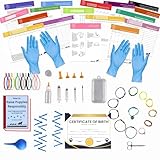
- Reduce Stress with Pregnant Dog Essentials /Supplies- Avoid complications, respond to emergencies, help momma dog produce enough milk, recognize when labor will begin, and monitor/record puppy health.
- Prepare for Beyond the Birth- Understand puppy development and learn 3 vital exercises which yield lifelong benefits for the puppies! Impress your buyers with exceptional puppy care at your home!
- Expandable Newborn Puppy Collars- Comfortable, gentle, easy, and long lasting. 2 sets of 12 whelping collars help identify all dogs, track progress, and notice if an individual puppy needs extra help.
- Responsible Dog Owners- Puppy Birthing kit designed for those who raise puppies responsibly. Join an elite team of loving and dedicated owners when you raise puppies of all breeds safely and gently.
- Professional Dog Breeding Supplies- From pregnancy on, these supplies are proven to assist with all aspects of birthing- puppy vaccines, feeding, sanitation, and more. Great for rescues!
Last update on 2026-10-16 / Affiliate links / Images from Amazon Product Advertising API
Nurturing Growing Puppies
Socialization
ializing puppies is crucial for their development. Introduce them to various environments, people, and other animals gradually.
Exposing them to different stimuli helps prevent fear and anxiety issues later in life.
Between 3 and 14 weeks of age, puppies should be gently exposed to new experiences, sounds, and textures.
This period is critical for shaping their future behavior and temperament.
Gradually introducing them to new situations can help build confidence and reduce the likelihood of behavioral problems.
Dog Pregnancy – Nutrition
Proper nutrition is vital for puppies’ healthy growth. Choose high-quality puppy food that meets their specific nutritional needs.
Ensure the food provides essential nutrients such as protein, fat, carbohydrates, vitamins, and minerals to support their rapid growth.
During weaning, puppies gradually transition from their mother’s milk to solid food. Monitor their weight gain and adjust their diet accordingly.
Consult a vet for feeding schedules and portion sizes suitable for growing puppies.
Health Monitoring
Regular veterinary check-ups are essential for monitoring the health of growing puppies.
Vaccinations, deworming, and parasite control are crucial aspects of their healthcare regimen.
It’s important to address any health concerns promptly to ensure the well-being of the litter.
Monitor the mother dog’s condition, especially her mammary glands and nipples.
A veterinarian should promptly evaluate any signs of inflammation or discharge.
Watch for signs of postpartum complications such as roundworm infestations or uterine infections in the mother dog.
Rehoming Considerations
Wait until puppies are at least 10 weeks old before sending them to new homes.
This allows ample time for proper socialization with littermates and the mother dog.
Early separation from the litter can lead to behavioral issues in adulthood.
When rehoming puppies, ensure potential owners are prepared to raise a young dog. Guide prospective owners through proper care, training, and nutrition.
Responsible rehoming practices contribute to the puppies’ long-term well-being.
Whelping Box Maintenance
It is essential for the mother dog and her puppies to maintain a clean and comfortable environment in the whelping box.
Regularly clean soiled bedding and provide fresh material to keep them dry and warm.
The whelping box should be large enough to accommodate the growing puppies and have low sides to allow easy access for nursing.
Proper ventilation is crucial to maintain air quality within the whelping area while protecting the puppies from drafts.
Dog Pregnancy – Final Remarks
You now have a comprehensive understanding of what to expect when your dog is expecting.
By recognizing the signs of pregnancy and ensuring proper nutrition, scheduling vet visits, preparing a nesting area, and closely monitoring your dog’s health, you are setting the stage for a smooth pregnancy and labor process.
Once the puppies arrive, your knowledge of caring for newborns, managing their early weeks, and nurturing their growth will be invaluable.
As you embark on this exciting journey with your pregnant dog, remember that being well-prepared is key to ensuring the health and well-being of both the mother and her puppies.
Your proactive approach and attentiveness will contribute to a positive experience for all.
Now, it’s time to implement your knowledge and provide the best care for your expecting dog!
Dog Pregnancy – Frequently Asked Questions
What are the early signs of pregnancy in dogs?
Early signs of pregnancy in dogs include changes in appetite, weight gain, enlarged nipples, and behavioral changes. If you suspect your dog is pregnant, consult a veterinarian for confirmation and guidance.
How can I ensure proper nutrition for my pregnant dog?
During pregnancy, provide a high-quality, balanced diet rich in essential nutrients. Consult your vet to determine the best food and feeding schedule for your dog’s needs.
How often should I schedule vet visits during my dog’s pregnancy?
Regular vet check-ups are crucial during pregnancy. Your vet will monitor the pregnancy’s progress, provide necessary vaccinations, and offer guidance on caring for your expectant dog.
What should I consider when preparing a nesting area for my pregnant dog?
Create a quiet, comfortable space with soft bedding where your dog can give birth and care for her puppies. Ensure it’s easily accessible but secluded to provide privacy.
How do I monitor my pregnant dog’s health closely?
Observe any changes in behavior or physical condition. Look out for signs of distress or complications and seek immediate veterinary attention if you have concerns.
What should I know about the labor process for dogs?
Understand the stages of labor, including nesting behavior, contractions, puppy delivery, and aftercare. Familiarize yourself with potential complications to be prepared.
How can I best care for newborn puppies?
Provide a warm, clean environment and ensure they nurse regularly. Monitor their weight gain and behavior closely while being mindful of their mother’s well-being.
Remember to consult a veterinarian or professional breeder for personalized advice based on your dog’s needs.


