Unveiling the True Costs of Dog Breeding: Our Comprehensive Guide
Most new breeders are surprised by just how much dog breeding costs can add up.
It’s not just the basics like food and vet care—hidden expenses stack up quickly.
If you’re considering breeding dogs, it’s essential to know the actual numbers before making any significant decisions.
Ignoring these costs can lead to stressful surprises down the road.
This blog post reveals what breeders spend, breaking down expenses you’ll face from start to finish.
If you’re looking for honest numbers and smart advice, you’re in the right place.

Last update on 2026-10-12 / Affiliate links / Images from Amazon Product Advertising API
Understanding the Basics: What Goes Into Dog Breeding Costs
Dog breeding costs catch most newcomers off guard.
People often focus on the headline price for puppies, but overlook the significant investments behind each litter.
From the hefty price tag on good breeding stock to everyday health needs and the hours spent raising pups, dog breeding is more expensive and demanding than it seems.
Breaking down these key costs helps explain why responsible breeders often charge what they do.
Acquiring a Quality Breeding Dog
You need a top-notch, health-tested dog if you want to breed quality puppies.
This is usually the single most considerable upfront cost for any breeder.
Expect to pay a premium for dogs with proven genetics, documented pedigrees, and champions in their bloodlines.
But it’s not just about the pup’s price tag.
Add in the cost of health certifications, which often require tests for hips, elbows, eyes, and genetic conditions.
These certifications aren’t optional if you care about your dog’s long-term health and responsible breeding.
- Quality breeding dog price: $2,000–$10,000+ (for well-bred, pedigree dogs)
- Health certifications: $500–$2,000 (depending on breed and required tests)
- Travel & transport: Sometimes adds to the cost if you’re buying from a distant breeder
Choosing the right breeding dog is the foundation of any responsible breeding program.
Skimping here can lead to health problems in puppies and higher costs later.
For more information on these specific expenses, refer to the detailed breakdown of the cost of acquiring a breeding dog and genetic testing.
Routine Veterinary and Health Care Expenses
Ongoing healthcare is one of the most underestimated components of dog breeding costs.
Responsible breeders budget for everything from basic vaccinations to advanced screenings, knowing that these costs accumulate before, during, and after pregnancy.
Key recurring expenses include:
- Routine vet exams: $50–$250 per visit
- Core vaccines and boosters: $15–$30 per shot, several needed per adult dog and puppy
- Heartworm, flea, and tick prevention: $50–$200 per year, per dog
- Pre-breeding health screening: $500+ for specific breed tests
- Emergency vet visits: Unexpected, but should always be part of your plan
While some health needs are predictable, unexpected emergencies can tip the scales.
Budgeting for every dog’s ongoing care is a huge part of keeping your program reputable (and your dogs healthy).
If you’re estimating costs for your breeding journey, look at this guide to the average cost of a vet visit for dogs for a full rundown of what to expect.
 Photo by Briseed ~
Time and Labor: The Hidden Cost
Dog breeding isn’t just a money investment—it’s a massive commitment of time and energy.
Every litter requires weeks of hands-on care, socialization, and constant monitoring.
Add in time spent answering inquiries, updating buyers, and guiding new owners.
What does this look like in reality?
- Whelping and raising puppies: Often a 24/7 job for 8+ weeks
- Daily socialization and training: Puppies need constant handling and positive exposure
- Cleaning and maintenance: Puppies and their spaces need to stay clean and safe
- Communicating with buyers: Vetting homes, answering emails, and providing updates demand hours each week
Even the most dedicated breeders find that these hidden labor hours add up fast.
Consistent socialization and communication are not just nice extras—they are essentials.
To get a feel for what the time commitment looks like, here’s a thoughtful look at breeder responsibilities and time investment per litter.
Remember, your energy and dedication are part of your dog breeding costs, just like any bill or receipt.
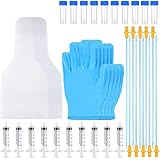
- Sufficient quantity for AI breeding: the package contains 10 sets of dog breeding kit, including 10 pieces insemination catheters, 10 pieces plastic centrifuge tubes, 10 pieces semen collection bags, 10 pieces measuring syringes without needles and 10 pairs of PVC blue gloves, adequate quantity for you to undertake AI dog breeding
- Proper size: the length of the insemination catheter is 30 cm, both centrifuge tubes and measuring syringes without needles are 5 ml, the blue gloves are medium sized, the suitable size of the canine breeding kit fit for small and medium animals breeding
- Insemination catheter: made of PVC material, the catheter is flexible that it can be bent randomly, not easy to crack and deform; Each catheter is individually packaged, with smooth surface, it is reliable and secure for animals breeding
- About centrifuge tubes: the centrifuge tubes are designed with screw caps, which can prevent semen leakage, its smooth and flat inner surface allows it to have no residue; There are white clear marks for you to read clearly
- Applicable scope: the artificial canine breeding kit is appropriate for small and medium sized breeds, such as dogs, goats, sheep, pigs and other breeds, practical and useful tool for artificial insemination
Last update on 2026-10-12 / Affiliate links / Images from Amazon Product Advertising API
Pre-Breeding and Pregnancy Expenses: Hidden Financial Factors
Dog breeding costs start piling up long before a litter arrives.
Expenses in the pre-breeding and pregnancy phases often catch new breeders by surprise.
These hidden costs are critical to producing healthy, happy puppies and maintaining an ethical breeding program.
Let’s break down the details of what you’re likely to pay for—and why these steps matter.
Genetic and Health Testing: The Non-Negotiables
No responsible breeder skips genetic and health screening.
These tests aren’t just nice to have—they’re your central shield against avoidable illness, heartbreak, and costly medical issues down the line.
Key tests breeders invest in include:
- Genetic screening: Checks for diseases like PRA, DM, MDR1, EIC, and breed-specific risks.
- DNA parentage testing: Proves your puppies’ pedigrees to buyers.
- Orthopedic screenings: OFA/X-rays are used to check for hip and elbow dysplasia.
- Eye, heart, and thyroid exams: Specialist checks for breed-relevant conditions.
Costs quickly add up:
- DNA tests run $55 and up per dog according to the AKC DNA Kit pricing.
- Lab bundles, such as Embark’s Breed + Health Test, can cost between $139 and $199 each.
- Specialist veterinary work (OFA, CERF) often adds $200–$600 per dog, depending on the location and breed.
Skipping these tests can mean health problems show up in the litter—or worse, years down the road.
Adding this to your plan is non-negotiable if you want to build trust with puppy buyers and protect your breeding reputation.
For a deeper look, check out how responsible breeders approach genetic testing costs.
 Photo by Kaboompics.com
Artificial Insemination and Pregnancy Monitoring
Getting a female dog pregnant isn’t always straightforward.
Many breeders use artificial insemination or struggle to time a natural mating, both of which add to the expense.
Standard costs and steps include:
- Hormonal testing: Progesterone tests help pinpoint peak fertility, costing $50–$200 per test. You’ll often need multiple tests.
- Artificial insemination: Non-surgical AI runs $125–$150 per session with owner-supplied semen; more advanced options and collection fees stack on, as detailed at My Budget Vet’s reproductive services.
- Ultrasound imaging Is Used to confirm pregnancy; ultrasounds cost $75–$150 per scan.
- Emergency support: Walk-in or after-hours services may carry $55–$100 surcharges as listed by Sirius Canine Fertility.
Each of these steps increases the odds of a successful, healthy pregnancy, but each also chips away at your profits.
Even with well-timed breeding, some litters require repeat procedures, resulting in higher costs than expected.
Special Nutrition and Prenatal Supplies
Pregnancy demands more from a female dog, and meeting her nutritional and comfort needs isn’t optional if you want healthy puppies.
Common nutrition and supply expenses:
- High-calorie food and supplements: Expect to upgrade her kibble and add prenatal vitamins; a quality vitamin blend is $18–$40 per bottle.
- Fresh protein and probiotics: Many breeders offer fresh meat, fish oil, and probiotics for extra support.
- Whelping supplies: Key items include:
- Whelping box ($100–$300)
- Heating pads or heat lamps ($25–$75)
- Absorbent bedding ($20–$50)
- Thermometer and scale ($15–$60)
- Cleaning supplies and disposable gloves ($10–$40)
- Supplements for lactation: After delivery, new mothers often require additional calcium or specialized supplements to support robust milk production.
The totals for these supplies can run several hundred dollars, but skipping them risks the health of both the mother and her puppies.
Thoughtful prep lays the groundwork for a stress-free whelping, healthier pups, and fewer emergencies.
When forecasting your dog breeding costs, don’t forget these “invisible” but essential investments.
They protect your animals, your reputation, and your peace of mind.
For a breakdown of essential whelping gear, refer to the recommendations on the best whelping supplies for safe and healthy litters.

- Package Includes: you will receive a bag of whelping supplies kit, including 4 puppy feeding tube, 6 record keeping charts, 25 vaccination records, 15 puppy whelping collars, 15 cord clamps, 2 pairs of gloves, 1 bag, and 1 tube feeding set
- Whelping Puppies Supplies: you can use the form to record the specific information of newborn puppies or kittens, such as weight and height; Moreover, the color of the pet collar can help you to identify your pets easily
- Convenient to Use: these feeders have different capacities, which are equipped with long tube feeding sets, these dog birthing supplies are convenient for you to feed young pets; Besides, the long feeding set can prevent overflow effectively
- Time Saving and Labor Saving: our dog breeding supplies are enough for feeding little puppies, which can meet your most using needs, you do not need to purchase them separately, time saving and labor saving
- Good Gifts for Pets Family: you can send this whelping supplies for dogs to your families, relatives, neighbors, roommates, and others who will have little puppies in house, they will be happy to receive this kit, thoughtful and comprehensive
Last update on 2026-10-12 / Affiliate links / Images from Amazon Product Advertising API
Whelping and Raising a Litter: Expenses Add Up Quickly
Bringing a litter into the world is rewarding, but the costs rack up faster than you might expect.
From the very first breath to the day puppies head to their new homes, expenses keep piling on.
Careful planning will help you avoid financial surprises along the way.
Many breeders are amazed at how fast the price tag grows once the puppies arrive.
Veterinary Care for Puppies and Mother
Newborn puppies and their mother need steady, expert care.
Even if everything goes smoothly, you will still face a string of essential expenses.
If any problems pop up, costs skyrocket.
Here’s a breakdown of what to expect:
- Routine vet exams for each puppy and their mother start from $45–$55 per visit, and you’ll need several during those first weeks.
- Vaccinations and deworming are not optional. Shots run $15–$28 apiece, and deworming is usually $10–$20 per puppy per session.
- Health checks for common issues keep every pup on track, while more specialized care (like heartworm or fecal testing) pushes costs higher.
- C-sections and emergency care can wreck your budget in an instant. A scheduled C-section can cost from $500 up to $2,000 or more. Even routine check-ups sometimes lead to unexpected expenses if complications occur.
For a more detailed look at veterinary fees from pregnancy through whelping, see this guide on vet costs for a pregnant dog.
Supplies, Microchipping, and Registration Fees
Caring for a litter means shopping for a mountain of gear.
Supplies go well beyond a simple whelping box.
Expect to purchase:
- Whelping box (for safe deliveries)
- Heating pads and clean bedding (to keep pups warm and comfortable)
- Puppy food and bowls (suitable for early socialization and weaning)
- Sanitizing products, scales, thermometers, nail clippers—the list goes on
Once your pups reach a few weeks old, additional costs kick in:
- Microchipping averages $25–$60 per puppy, covering implant and registration fees, according to the cost of microchipping a dog.
- Registration with the AKC or breed clubs—required for most reputable sales—often costs $30–$50 per puppy.
- Consider collars, toys, and health record books for each pup. Many responsible breeders send each puppy home with a starter pack.
For a comprehensive breakdown of all whelping gear, refer to this guide to whelping supplies for dogs.
Advertising and Finding Responsible Owners
After investing so much in your puppies, you want each one to be placed in a loving home.
Ethical advertising and careful screening are often overlooked, but they’re a real part of your dog breeding costs.
Main expenses include:
- Advertising fees for websites, online puppy finders, and local classifieds. High-traffic sites charge anywhere from $25 to several hundred dollars, depending on your region and the size of your litter.
- Photography and listing materials—Buyers expect quality photos and updates. Investing in a decent camera or hiring a professional photographer pays off.
- Time and money spent screening buyers: Responsible breeders call, interview, and sometimes meet with potential owners before deciding where each puppy will be placed. This isn’t free in terms of hours or transportation.
Screening your buyers isn’t just about asking a few questions; it’s about thoroughly evaluating their background and history.
According to these best practices for screening puppy buyers, top breeders invest extra time and energy to ensure lasting, happy placements.
Every step taken from whelping to weaning has a price tag.
Careful preparation makes the journey smoother for you and healthier for the pups.

- MULTIFUNCTIONAL Whelping Box: This versatile whelping box provides a cozy space for dog breeding litters and serves as an entertaining playground for your pets. It can also be used as a raised garden bed. With its adaptable design suitable for both indoor and outdoor use, it offers flexibility and convenience that works best for you and your furry friends
- SPACIOUS & SECURE: With dimensions of 48x48x18 inches, (including caps and posts when measuring), this puppy playpen is roomy enough for doggie families to cuddle up. These high walls not only enhance safety but also prevent any potential escape attempts by energetic puppies, keeping them snug and secure inside
- SAFE & DURABLE: Constructed from pet-safe and durable PVC material, this whelping box for dogs not only provides waterproof and rustproof properties but also boasts a stable structure that ensures longevity. Your beloved pets will be well-protected in their reliable sanctuary, providing you with peace of mind
- EASY ASSEMBLY & MAINTENANCE: With its lightweight and portable design, this whelping box for puppies can be effortlessly relocated. Assembling is hassle-free, no tools required. The smooth PVC surface is easy to clean—simply rinse with water or wipe with a damp rag, which provides convenience for busy pet owners
- FLEXIBLE DOOR OPTIONS: Tailor your preferences with our multipurpose door options for the whelping pen. Choose the doorless design for enhanced security, perfect for recovering or pregnant dogs. Alternatively, opt for the convenient door feature, removing dividers to grant easy access for dogs to enter and exit as they please
Last update on 2026-10-12 / Affiliate links / Images from Amazon Product Advertising API
Long-Term and Unexpected Costs in Dog Breeding
Every breeder starts focused on the obvious costs—food, vet bills, supplies—but the real curveballs come from long-term and surprise expenses.
Dog breeding costs don’t stop when the puppies go home.
Care for your adult and retired dogs, unexpected vet emergencies, and even legal fees all come into play.
If you want a breeding program that lasts, you need to plan for these often-overlooked realities.
Routine and Emergency Care for Breeding Dogs
Breeding dogs require consistent, high-quality care throughout their entire lives, not just during pregnancy or while raising a litter.
Routine expenses can be mapped out, but medical surprises will always catch you off guard if you aren’t prepared.
Some of the ongoing costs you need to budget for include:
- Annual vet visits and booster vaccines
- Bloodwork and advanced health screens (especially as dogs age)
- Dental cleanings and preventive care
- Nutritional supplements for seniors or post-breeding recovery
- Heartworm, flea, and tick preventatives (year-round)
Breeding dogs are also at higher risk for certain complications.
Emergencies such as pyometra, C-sections, or sudden illness can throw your budget out of balance in an instant.
Setting aside an emergency fund is not just smart—it’s critical to protecting your animals and your investment.
Veterinary expenses for unexpected issues often range from $500 to several thousand dollars per event. It’s wise to keep at least $1,000–$2,000 in reserve for each breeding dog.
For a detailed outline of these unseen expenses, review The Complete Guide to Dog Breeding Costs.
Don’t forget retired breeders.
When your dogs are done breeding, they don’t stop needing care.
Many reputable breeders support their adults long after their last litter, making lifelong healthcare part of the actual costs of dog breeding.
Dog Show Participation and Compliance
If you’re breeding to improve the breed—or even just to appeal to serious buyers by showing proof of champion lines—dog shows quickly become part of your yearly budget.
Competing in shows isn’t cheap, and the costs quickly add up.
Expect these everyday expenses:
- Entry fees for each show ($30–$50 per class, per dog)
- Handling fees (if you use a professional handler)
- Travel, lodging, and meals for you and your dog
- Grooming, specialized equipment, and presentation costs
- Annual club memberships and breed-specific registry renewals
Titling your dog in the show ring not only boosts your reputation but can also increase the puppy’s price.
However, every ribbon and title usually comes with thousands of dollars in cumulative expenses.
Legal compliance is another long-term cost that often surprises new breeders.
Depending on your state or county, you may need to:
- Pay kennel licensing or breeding permits
- Comply with local zoning or animal welfare regulations
- Track and report litters to breed clubs or animal services
These fees can total several hundred dollars or more every year.
Failing to meet requirements can result in substantial fines, forced closures, or even more severe consequences.
For more insight on these ongoing investments, see this firsthand account of ethical breeding costs.
 Photo by Salman Saqib
Factor in both the predictable and the unexpected when estimating the true scope of dog breeding costs.
The breeders who stick around are the ones who plan for the long haul, not just one litter at a time.
Profit or Passion: Is Dog Breeding Worth the Cost?
When people start researching dog breeding costs, many hope there’s profit waiting on the other side. The familiar story is that breeders rake in cash from each litter.
In reality, ethical breeding tells a very different story.
Responsible breeders are motivated by their love for dogs, not dreams of easy income.
It’s essential to break down the numbers honestly to understand what truly drives most breeders and how the actual cost of dog breeding compares.

- STUD DOG FERTILITY BOOST: For Complete Stud Canine, CompleteVites has combined 48 Vitamins, minerals, antioxidants, Omega Fatty Acids, Amino Acids, digestive enzymes & more in this complete nutritional supplement. Targeted nutrients were specifically chosen to improve sperm motility and morphology (shape), increase sperm count and support prostate health. CSC also improves sperm resilience for freezing and chilling.
- VETERINARY FORMULATED: Our product is formulated by Reproductive Veterinary Professionals to address the increased demands and problems of the breeding and competition dogs. Whether you have a working, performance, or conformation dog, you will see the difference! In addition to the reproductive benefits, many clients report improved skin and coat, reduced tear stains, increased energy, mobility, and even reduced seizure activity.
- FEEDING INSTRUCTIONS: Use 1 scoop powder per 10 pounds on moistened food. Product is designed to add to moistened, canned or raw food. Intended for daily use, year-round for best results. One 105g bottle is a 90 day supply for a 10lb dog. It can be added to cottage cheese, yogurt, and other dog food toppers. The ingredients used in our product are not only ideal for stud dogs but contain a wide variety of nutrients to improve the overall health of all dogs.
- SAFE AND EFFECTIVE -GUARANTEED! Our products have been on the market since 2013. Several years of research went into the selection of ingredients for our nutritional supplements! The formulas were created with, and approved by, veterinary nutritionists at two major animal nutritional corporations. Made in the USA.
- EXTRAORDINARY CUSTOMER SUPPORT: Get your questions regarding dog breeding answered by a veterinary reproduction professional with over 20 years of experience by phone or email when you make a purchase with us. In case of any issues with the product, we provide a 100% money-back satisfaction guarantee to our customers!
Last update on 2026-10-12 / Affiliate links / Images from Amazon Product Advertising API
Why Ethical Breeders Rarely Make a Profit
The myth that dog breeding is a straightforward way to make money persists, but it rarely aligns with real-world experience.
Reputable breeders incur a long list of expenses, and their primary motivation is often preserving their breed and supporting animal welfare, rather than maximizing profit.
- Health testing and veterinary care quickly absorb incoming funds.
- Quality food, prenatal supplements, and supplies stack up with each litter.
- Time and labor are always underestimated—round-the-clock care, buyer screening, and puppy socialization require weeks of dedication.
Most ethical breeders prioritize improving their dogs’ well-being over generating profits.
Many work full-time jobs and reinvest proceeds directly back into their breeding program.
As one in-depth post on the realities of profit points out, even when per-puppy prices sound high, margins disappear once all costs are factored in.
See actual breeder experiences with profitability and consider the ethical implications, from breed choice to puppy placement, to keep earnings modest.
Breed preservation and health are what inspire most highly regarded breeders.
Top breeders often feel responsible for raising the bar, not just raising puppies.
For additional context on ethical priorities, read more about ethical breeding standards and motivations.
Calculating Your Realistic Breakeven Point
Before anyone considers breeding for profit, it’s smart to crunch real-world numbers.
Predicting dog breeding costs can be challenging, but a detailed list of both obvious and hidden expenses provides a more accurate picture.
Here are the key steps in estimating your true breakeven or profit margin:
- List every upfront and recurring expense, including dog acquisition, health screening, stud fees, prenatal and emergency care, routine vet checks, food and supplements, whelping gear, registration and microchipping fees, puppy packs, advertising, and travel costs.
- Add long-term expenses, such as caring for breeding dogs outside of their litters, emergency funds, healthcare for retirees, and continued participation in dog shows or clubs. See this breakdown on the long-term costs of raising a litter with yearly examples.
- Include the value of your time: Labor hours for daily care, whelping, cleaning, puppy socialization, and communication with buyers all represent a real cost.
- Divide by litter size and adjust for litter risks: Breeding doesn’t always guarantee large or healthy litters. Some pregnancies may have complications, result in smaller litter sizes, or lead to veterinary emergencies, which can increase per-puppy costs.
- Compared to average puppy prices in your breed and region. In many cases, total expenses barely match typical sales prices, sometimes resulting in a loss for responsible breeders.
For additional insights on expense details and realistic profit, check out a breeder’s honest estimate in this dog breeding cost guide.
 Photo by ethan
By focusing on education, ethical standards, and dog welfare, responsible breeders look at profit as an afterthought.
Any extra from a litter usually goes right back into the kennel, helping their dogs thrive and supporting the next generation.
If you’re serious about breeding, think of earnings as supporting your passion, not as a promise of easy money.
For a more in-depth breakdown of the supplies to expect and their actual costs, read this guide, which covers essential whelping supplies for breeders.

- MUSCLE POWER BLEND: Packed with predigested liver, whey, and egg protein, Vertex fuels lean muscle development and helps active dogs stay strong during training, hunting, racing, or weight pulling—highly digestible for peak canine performance.
- NUTRIENT-RICH FORMULA: Loaded with essential vitamins, HMB, glucosamine, chondroitin, and probiotics, Vertex keeps joints flexible and energy high, while encouraging healthy digestion and maintaining stamina for active dogs of all ages and sizes.
- BREEDING & LACTATION BOOST: Specially formulated to help pregnant and nursing females, Vertex promotes healthier litters, higher milk supply, and reproductive vitality, giving breeders reassurance that their stud dogs and brood females receive critical nutrients.
- TASTY MEAL ENHANCER: Transform meals into a savory gravy for picky eaters or dogs needing recovery support. Vertex improves palatability, encourages consistent feeding, and delivers easily absorbed nutrients for weight maintenance and steady energy levels.
- SIMPLE DAILY DOSING: Just 1–4 tablespoons daily meets nutritional needs for most breeds. Vertex avoids the hassle and keeps feeding routines easy, while combining excellent-quality protein, essential nutrients, and active recovery benefits in one convenient supplement.
Last update on 2026-10-12 / Affiliate links / Images from Amazon Product Advertising API
Our Conclusion
Dog breeding costs reach far beyond what most people expect.
The real price covers everything from health testing and emergency care to the daily work that goes into each litter.
Responsible breeders prioritize animal welfare above all, acknowledging that the true costs often exceed any potential financial gain.
If you’re considering breeding, take the time to carefully count every expense and assess its impact on your dogs’ well-being.
Taking shortcuts can put both animals and your reputation at risk.
If you want to learn more about the necessary gear and safe set-up for expectant mothers, explore the best whelping supplies every breeder should have.
Thank you for reading. If these insights made you pause or rethink your approach, share your thoughts and help raise the bar for responsible breeding.