

Leash Training: A Simple Way to Keep Your Puppy Safe
Training your puppy to walk on a leash is an essential skill that promotes safety, socialization, and exercise. Proper leash training requires patience, consistency, and positive reinforcement.
This comprehensive guide provides detailed steps and considerations for training your puppy to walk on a leash, ensuring a positive and enjoyable experience for both of you.
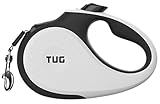
- Small Leash is Suitable for Dogs Under 35 lbs; Medium For Dogs Under 55 lbs; Large For Dogs Under 110 lbs; Retractable Leashes Not Suitable For Chewing
- 16 ft Tape Leash With Easy-Adjust Retraction; Tangle Free 360 Degree Tape Movement
- Quick Lock And Unlock Feature – Easy Roll-On and Roll-Off With Your Thumb
- Super Comfortable Grip For Those Long Walks! Ergonomic Anti-Slip Handle
- Heavy Duty Internal Coil For Consistent Retraction

Last update on 2025-12-24 / Affiliate links / Images from Amazon Product Advertising API
Understanding the Importance of Leash Training
Safety
Leash training is crucial for your puppy’s safety. It prevents them from encountering dangerous situations, such as traffic or aggressive animals. A well-trained puppy on a leash is easier to control and keep safe.
Socialization
Walking on a leash lets your puppy experience new environments, people, and other animals. This exposure is vital for their social development and helps them become well-adjusted adult dogs.
Exercise and Bonding
Regular walks provide essential physical exercise and mental stimulation for your puppy. Leash training also strengthens the bond between you and your puppy, fostering trust and communication.
Preparing for Leash Training
Choosing the Right Equipment
Selecting the appropriate equipment is crucial for effective leash training:
- Collar or Harness: Choose a well-fitting collar or harness that is comfortable for your puppy. Harnesses are often preferred for small breeds and puppies with delicate necks.
- Leash: A standard 4 to 6-foot leash is ideal for training. Avoid retractable leashes, which can be challenging to control during training sessions.
- Identification Tags: Ensure your puppy’s collar has an ID tag with your contact information in case they get lost.
Introducing the Collar and Leash
Before starting leash training, familiarize your puppy with the collar and leash:
- Collar Introduction: Let your puppy wear the collar briefly while indoors. Gradually increase the duration as they become more comfortable.
- Leash Introduction: Attach the leash to the collar and allow your puppy to drag it around the house under supervision. This helps them get used to the feeling of the leash without the pressure of formal training.

- Various Size&Dia. Long Dog Leash: 10FT, 16FT, 30FT, 50FT,and 100FT , various sizes can meet different training purpose. Our Dog Leash available in diameter 1/3 inch, 3/8 inch, 1/2inch. The diameter of 1/3 inch can meet small dogs, cats or other small animals. The diameter of 3/8 inch and 1/2 inch is the best choice for training leashes for large dogs or medium dogs.
- Dog Tie Out Cable: Both ends of our rope dog leash leash have a heavy duty stainless steel swivel hook that can rotate 360 degree. You can tie one end of this training leash to your body or trees etc.,so that you can free your hands when traning, hiking,walking,etc.
- Reflective for Night Safety: We’ve added a reflective stitching around this strong training lead to make sure it is visible in low light. Your pup’s safety is always our highest priority.
- Durable and Lightweight Dog Rope Leash: This training Lead is made of high strenth wear-resistant polyeste which is lightweight and environmentally friendly, not easy to pull off, and has strength, will not be entangled with trees, grass, etc.The pull is up to 8-10 KN by professional tensile test which allow for total control of your dog and also allow it the freedom to do its business.
- Excellent Outdoor Dog Leash: Great dog leash for outside sports such as hiking, camping, training, hunting, backyard, beach, mountain climbing, walking, running, and so on.Any problem don’t hesitate to contact with us.
Last update on 2025-12-24 / Affiliate links / Images from Amazon Product Advertising API
Step-by-Step Leash Training
Step 1: Getting Comfortable with the Leash
Begin training in a quiet, familiar environment free from distractions:
- Short Sessions: Start with short training sessions, about 5-10 minutes, to keep your puppy engaged and prevent frustration.
- Positive Association: Use treats and praise to create a positive association with the leash. Reward your puppy for calm behavior while wearing the leash.
Step 2: Teaching the Basics
Once your puppy is comfortable with the leash, start teaching basic leash manners:
- Follow Me: Encourage your puppy to follow you by calling their name and offering treats. Reward them for walking beside you with a loose leash.
- Stop and Start: Practice stopping and starting to teach your puppy to pay attention to your movements. Reward them for staying close and not pulling on the leash.
Step 3: Teaching Loose Leash Walking
Loose leash walking means your puppy walks beside you without pulling on the leash:
- Consistency: Be consistent with your training. If your puppy starts to pull, stop walking and wait for them to return to your side. Reward them for coming back and walking with a loose leash.
- Changing Directions: Change directions frequently during walks to keep your puppy focused on you. Reward them for following your lead.
Step 4: Introducing Distractions
Gradually introduce distractions to help your puppy learn to walk on a leash in different environments:
- Controlled Environments: Start with controlled environments like your backyard or a quiet park before moving to busier areas.
- Increasing Difficulty: Gradually increase distractions, such as other people, dogs, and noises. Reward your puppy for maintaining good leash manners despite the distractions.
Leash Training – Troubleshooting Common Issues
Pulling on the Leash
If your puppy pulls on the leash, stop walking and stand still until it returns to your side. Reward it for coming back and walking with a loose leash.
Consistency is key to teaching it that pulling will not get it where it wants to go.
Refusing to Walk
If your puppy refuses to walk, try motivating it with treats, toys, or an excited tone of voice. Avoid dragging or forcing it to walk.
Patience and positive reinforcement will help them overcome their reluctance.
Lunging or Barking
If your puppy lunges or barks at distractions, redirect their attention to you with treats or a favorite toy. Practice in quieter environments before gradually increasing the level of distractions.
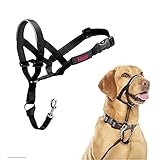
- STOPS PULLING: The Halti Headcollar prevents pulling on the leash by gently steering and guiding your dog’s direction.
- KIND & HUMANE: Made from strong but lightweight nylon webbing, the Halti Headcollar is designed for comfort with a padded neoprene nose band and won’t interfere with panting, eating or drinking.
- REFLECTIVE & SAFE: Every Halti Headcollar has reflective accents for improved visibility in low light and a safety link that attaches to your dog’s collar for complete peace of mind.
- 40 YEARS EXPERIENCE: creators of the world’s first headcollar for dogs, Halti and Dr Roger Mugford have been solving leash pulling problems for over 40 years!
- BETTER TOGETHER: To get the best no pull training experience, use the Halti Headcollar with our double clip Halti Training Leash.
Last update on 2025-12-24 / Affiliate links / Images from Amazon Product Advertising API
Advanced Leash Training Techniques
Heel Command
Teaching your puppy to “heel” means they walk closely by your side:
- Command: Use a clear command, such as “heel,” and reward your puppy for walking beside you.
- Practice the heel command in short sessions, gradually increasing the duration as your puppy improves.
Off-Leash Training
Once your puppy is consistently well-behaved on a leash, you can begin off-leash training in a safe, enclosed area:
- Recall Command: Ensure your puppy has a strong recall command, such as “come,” before attempting off-leash training.
- Supervision: Always supervise your puppy during off-leash training and gradually increase the level of freedom as they demonstrate good behavior.
Maintaining Good Leash Behavior
Regular Practice
Regular practice is essential for maintaining good leash behavior. Incorporate leash training into your daily routine to reinforce good habits and prevent regression.
Positive Reinforcement
Continue using positive reinforcement to reward good behavior. Treats, praise, and playtime are effective rewards that encourage your puppy to maintain good leash manners.
Patience and Consistency
Patience and consistency are key to successful leash training. Every puppy learns at their own pace, so be patient and consistent with your training efforts.
Leash Training Conclusion
Training your puppy to walk on a leash is an important skill that promotes safety, socialization, and exercise.
By understanding the importance of leash training, preparing with the right equipment, and following a step-by-step approach, you can ensure a positive and enjoyable experience for you and your puppy.
Troubleshooting common issues, practicing advanced techniques, and maintaining good leash behavior through regular practice and positive reinforcement will help your puppy become a well-mannered and confident walker.
With patience, consistency, and dedication, leash training can strengthen the bond between you and your puppy, leading to a lifetime of enjoyable walks and adventures.


