

Breeding Papillons: A Complete Guide
Have you ever heard of the butterfly dog?
That’s another name for the Papillon, a toy breed known for its distinctive butterfly-shaped ears.
But there’s more to this little dog than just its unique appearance.
The Papillon is a characteristic dog that makes great companions, especially as a puppy.
It is also one of the many breeds of dwarf spaniels, which makes them ideal for those who prefer smaller dogs.

- SMALL BREED DOG FOOD: Royal Canin Small Adult Dry Dog Food for small dogs 10 months to 8 years weighing 9 to 22 lbs
- IDEAL WEIGHT: Helps maintain ideal weight by meeting a small dog’s specific energy needs
- STRONG BONES: Helps maintain strong bones with a precise blend of calcium and phosphorus
- PRECISE NUTRITION: Easy-to-digest proteins and precise levels of various fibers, including prebiotics, to help support a healthy microbiome
- AGE SPECIFIC FORMULAS: As dogs mature, their nutritional needs change. For small-sized dogs age 8+, check out the Royal Canin Small 8+ dry dog food for a formula specific to their unique needs

Last update on 2026-10-15 / Affiliate links / Images from Amazon Product Advertising API
Papillons have a long and fascinating history that dates back centuries, originating in Europe and possibly even Asia.
Despite being small and considered little dogs or toy breeds, they were once popular among European royalty and aristocracy.
Today, they remain a beloved breed among dog enthusiasts worldwide, especially those looking for a cute puppy or paps to take care of.
In this article, we’ll delve into the world of dog breeds by focusing on one of the most beloved toy breeds – the Papillon, also known as “paps“.
So whether you’re a seasoned Papillon owner or simply curious about this charming toy breed, read on to learn more!
Characteristics and Personality Traits of Papillons
Papillons are toy-breed dogs with big personalities. They are known for their intelligence, affectionate nature, and energetic behavior.
Paps, as they are commonly called, make great puppies for families who love small breeds.
Intelligence and Trainability of Papillons
Papillons are one of the most intelligent breeds of spaniels and can be easily trained from puppyhood.
They are quick learners and respond well to positive reinforcement training methods, making them an ideal choice for novice dog owners.
These dogs thrive on mental stimulation, so it’s important to provide them with plenty of opportunities to learn new things and keep their minds engaged.
One way to keep your Papillon puppy mentally stimulated is by teaching them tricks.
Some popular tricks that Paps, also known as butterfly dogs, and other small dog breeds can learn include:
- Roll over
- Play dead
- Shake hands
- Spin around
- Jump through a hoop
In addition to other dog breeds, Papillons, also known as butterfly dogs or paps, excel in obedience training and agility competitions.
Their small size makes them ideal for navigating obstacles quickly and efficiently, making them a great choice for those looking for a puppy with high energy and athleticism.
Affectionate Nature of Papillons towards Their Owners
Papillons, or paps for short, are one of the most affectionate dog breeds towards their owners.
They love spending time with their human companions and will often follow them around the house wherever they go.
If you’re looking for a loving puppy, consider getting a pap as your loyal dog companion.
These breeds of dogs crave attention from their owners and thrive on physical touch, such as petting or cuddling.
They also enjoy playing games like fetch or tug-of-war with their owners.
AKC recommends training these dogs to meet their mental stimulation and socialization needs.
It is important to note that while Papillons, also known as paps, are very loving towards their owners, they can be wary of strangers initially.
Socialization is key for this dog breed, which makes them a great pet.
Energetic and Playful Behavior of Papillons
Despite their small size, Papillons, a breed recognized by the AKC, are very energetic dogs that require regular exercise to stay physically and mentally healthy.
Paps love going for walks or runs outside but enjoy playing games indoors, such as fetch or hide-and-seek.
Joining a Papillon club can be a great way to connect with other owners of this lively breed.
Papillons, also known as paps, are a popular breed of dog recognized by the AKC.
They are well-known for their playful behavior and often initiate play with their owners.
Paps are naturally curious and love exploring their surroundings, so it is important to provide them with plenty of toys and interactive games to keep them entertained.

- Dog tablets are recommended as a daily supplement for dogs to prevent and reverse nutritional deficiencies!
- Packed with nutrients, vitamins, minerals and protein including Vitamins A, B, C, D and E! As well as Calcium, Phosphorus, Potassium, Iron, Zinc and more!
- Chewable LIVER FLAVORED tablets that dogs love! Easy to administer to small or large dogs!
- The vitamins and minerals are great for a dog’s skin and coat! Give your dog better health and more energy!
- Made in FDA, USDA and FSIS Regulated Manufacturing Facilities. Buy with confidence! Excellent customer service and return policy. 100% satisfaction guaranteed!
Last update on 2026-10-15 / Affiliate links / Images from Amazon Product Advertising API
Benefits and Risks of Breeding Papillons
Financial benefits of breeding healthy and purebred Papillons
Breeding Papillons and other breeds can be a lucrative business if done correctly.
Purebred Paps are highly sought after by dog lovers, and breeders can charge premium prices for their puppies.
Breeding healthy dogs with desirable traits recognized by the AKC can increase the value of the litter.
For more information on breeding Paps, consult a reputable breeder or research online.
However, it’s important to note that responsible breeding of specific breeds, such as the papillon bitch, should not be solely focused on financial gain.
Breeders need to prioritize the health and well-being of their dogs above profit and provide accurate information to potential owners about the breed’s specific needs.
Health risks associated with breeding genetically predisposed dogs
Like all dogs, Papillons are prone to certain genetic conditions.
Owners need to have information about these conditions and the need to breed responsibly.
Breeding a carrier bitch with a genetic disease can result in offspring with serious health issues, such as Patellar Luxation, which is common among small breeds like the Papillon and affects the kneecap’s alignment.
Responsible breeders of Papillon dogs take steps to minimize health risks by performing genetic testing on their breeds before breeding them.
This helps ensure they do not pass harmful genes to their offspring.
For more information on responsible breeding, contact the Papillon Club.
Ethical considerations when breeding for profit
Breeding solely for profit without considering the animals’ welfare is unethical.
Pap breeders must provide proper care and socialization for both parent dogs and puppies of all breeds throughout the breeding process.
It’s crucial to have information on each breed’s specific needs and characteristics to ensure their well-being.
Overbreeding can result in an oversupply of puppies, leading to overcrowded shelters or even euthanasia.
Responsible dog breeders understand this issue and limit the sizes of their litters accordingly. If you need more information on responsible breeding, consider contacting the Papillon Club.
Before breeding your dog, it’s also important to consider whether there is a demand for more Papillon puppies in your area.
Overbreeding could lead to a surplus of unwanted dogs who may end up in shelters or worse. You need to gather more information on the current market for Papillon puppies to ensure that you’re not contributing to the problem.
Best Practices for Successful Breeding of Papillons
Breeding papillons can be a fulfilling and rewarding experience for dog lovers, but it requires careful planning and consideration.
Here is some essential information to follow for the successful breeding of papillons.
Importance of Genetic Testing Before Breeding
Before breeding your papillon dog, it is crucial to have them undergo genetic testing.
This will help identify any potential health issues that may be passed down to their offspring.
Some common genetic tests for papillon dogs include obtaining relevant information.
- Patellar Luxation is a condition in dogs in which the kneecap dislocates from its normal position. For more information, visit the Papillon Club.
- Progressive Retinal Atrophy (PRA): A degenerative eye disease that can lead to blindness in dogs. For more information, consult with the Papillon Club or reputable Pap breeders.
- Von Willebrand’s Disease is a bleeding disorder that affects blood clotting in dogs, including the Papillon breed. If you own a Papillon, it is important to be aware of this condition and seek advice from your local Papillon club.
- Episodic Falling Syndrome: A neurological disorder that causes episodes of muscle weakness or collapse in dogs, commonly found in the Papillon Club.
By identifying these potential health issues early on, Papillon Club can make informed decisions about which dogs to breed and avoid passing down harmful traits.
Proper Nutrition, Exercise, and Socialization for Parent Dogs
Proper nutrition, exercise, and socialization for parent dogs are essential to ensure healthy puppies.
Feeding your dogs a balanced diet with high-quality protein sources will support their overall health and reproductive function. Regular exercise will keep them physically fit and mentally stimulated.
Consider joining a Papillon club to connect with other owners and learn more about this breed.
Socialization is also important for papillon puppies as it helps them develop into well-adjusted adults.
Exposing parent papillons to new people, places, and experiences will help them become more comfortable in different environments.
This will ultimately benefit their papillon offspring by giving them a good foundation for socialization.
Choosing Suitable Mates Based on Temperament, Health, and Breed Standards
When choosing mates for your papillons, consider several factors beyond physical appearance.
Temperament plays a significant role in the offspring’s personality; therefore, choosing dog mates with compatible temperaments is crucial.
Health is also an essential factor to consider when choosing a dog.
Choosing papillon mates with genetic testing results that complement each other can help reduce the risk of passing down harmful traits.
Finally, when selecting mates for your Papillon dog, it is important to consider breed standards.
This will ensure that the offspring meet the physical characteristics required for the Papillon breed, such as the distinctive butterfly-like ears and the preferred coat colors.
Addressing Common Questions and Concerns About Breeding Papillons
Identifying a Reputable Breeder
Breeding papillons can be a fulfilling experience, but working with a reputable breeder is essential.
A reputable breeder will prioritize the health and well-being of their dogs over profit.
Here are some things to look for when identifying a reputable breeder:
- If you want a Papillon, the dog breeder should be registered with a recognized kennel club, such as the American Kennel Club (AKC).
- The papillon dog breeder should provide documentation of health screenings for both papillon dog parents.
- They should allow you to visit their facility and meet the parent dogs, including the Papillon breed.
- They should have a contract that outlines your responsibilities as the new dog owner, especially if you are getting a papillon, and their responsibilities as the breeder.
Working with a reputable dog breeder will ensure your papillon puppies are healthy and happy.
What to Expect During the Breeding Process
Once you have found a reputable Papillon dog breeder, it’s time to start planning for breeding.
Here’s what you can expect during the Papillon breeding process:
- Timing: The female papillon must be in heat before breeding can occur. This typically happens every six months, but it can vary from papillon to papillon.
- Mating: Once the female papillon is in heat, she will be introduced to the male dog for mating. It’s best if this occurs on multiple days during her heat cycle.
- Pregnancy: After successful mating, pregnancy typically lasts around 63 days. Proper nutrition and care are important for pregnant dogs, whether they are Papillons or any other breed.
- Delivery: When it’s time for your Papillon dog’s delivery, ensure you have an emergency plan in place in case of complications arise. Your veterinarian can help you prepare for any potential issues.
Handling Unexpected Complications During Pregnancy or Delivery
Even with proper care and planning, unexpected complications can arise during pregnancy or delivery.
Here are some common issues that can occur and how to handle them.
Unfortunately, these complications can also affect your furry friend, such as your dog, especially if you have a small breed like a papillon.
- Dystocia: This is when the papillon dog has difficulty delivering the puppies. It’s important to have a veterinarian on call in case this happens, as it can be life-threatening for both the mother and puppies.
- Mastitis is an infection of the mammary glands that can occur during nursing in dogs, including the Papillon breed. Signs include swelling, redness, and heat around the mammary glands. Treatment typically involves antibiotics.
- Stillborn puppies can occur during delivery in dogs, including papillons. If this happens, removing them from the mother’s area immediately is important to prevent any potential infections.
Breeding papillons can be a rewarding experience if done correctly.
By working with a reputable dog breeder, understanding the dog breeding process, and being prepared for potential complications, you can ensure your papillon puppies are healthy and happy.

- Package Include: 2 pieces of pet dog grooming stand, made of stable stainless steel, which can be more durable and last longer; The coating technology is not only beautiful, but also waterproof, rust proof and durable
- Adjustable Size: adjustable dog breeding supplies can be adjusted freely to adapt to dogs of different sizes; Our stand is suitable for dogs with foot space less than 21.6 inches, and the height can be adjusted between 8.6-11.8 inches, ensuring that dogs comfort during breeding
- Stable Structural Support: portable pet dog grooming stand is made of solid structure, designed for stability and strength; It provides firm support and keeps your pet in place while you care for it
- Easy to Assemble and Store: this dog breeding stand small dogs includes all necessary accessories such as screws and wrenches so that you can install the product easily; The stand can be easily removed and stowed away when not in use
- Wide Range of Applications: the black stainless steel dog grooming stand can be applied as a grooming stand and can also be applied to secure the dog during bathing; It can also be applied as a fixed support frame during breeding
Last update on 2026-10-15 / Affiliate links / Images from Amazon Product Advertising API
Potential Challenges Involved in Breeding Papillons
Breeding papillons can be a rewarding experience for dog lovers, but it also comes with challenges.
As a responsible dog breeder, you must be aware of these potential issues and take steps to minimize their impact on your breeding program.
High risk for birthing complications due to small size
Papillons are small dogs, typically weighing between 4-9 pounds.
This means they are at higher risk for birthing complications than larger breeds.
During the birthing process, the puppies may become stuck in the birth canal or have difficulty breathing due to their small size.
It’s important to ensure that both the male and female Papillon dogs are healthy and free from any underlying health problems to minimize the risk of complications during birth.
Regular veterinary check-ups and genetic testing can help identify potential issues before breeding occurs.
Providing a safe and comfortable environment for the papillon mother dog during pregnancy and birth is also important.
This includes providing a quiet space away from other animals and ensuring that she has access to plenty of dog food and water.
Difficulty finding suitable mates within a limited gene pool
Papillons have a relatively small gene pool compared to other dog breeds, making it difficult to find suitable mates for breeding.
This limited genetic diversity can increase the risk of health problems in offspring, such as progressive retinal atrophy (PRA).
To overcome this challenge as a papillon breeder, working closely with other reputable breeders who share your commitment to producing healthy papillon puppies is important.
Networking with other papillon breeders can help you expand your gene pool and find suitable dog mates.
It would be best to consider using artificial insemination (AI) or frozen semen from outside bloodlines, especially when breeding dogs like the Papillon.
While these methods may be more expensive than natural breeding, they can help increase genetic diversity in your Papillon breeding program.
Potential behavioral issues in offspring due to poor socialization or genetics
Behavioral issues can be a concern in any breed, but they may be more prevalent in papillons due to their small size and tendency towards anxiety.
Poor socialization during the critical early development stages can lead to fearfulness, aggression, and other behavioral problems in adult dogs.
Providing plenty of positive socialization experiences from an early age is important to minimize the risk of behavioral issues in your Papillon puppies.
This includes exposing them to various people, animals, and environments in a safe and controlled manner.
As a dog owner, it’s crucial to prioritize the socialization process for your Papillon to ensure they grow up well-adjusted and happy.
It’s also important to carefully select breeding pairs of dogs based on temperament, behavior, and physical traits, especially for breeds like Papillon.
Working with a reputable breeder who prioritizes Papillon temperament and health can help reduce the risk of behavioral issues in Papillon offspring.
Breeding papillons can be challenging, but with careful planning and attention to detail, it’s possible to produce healthy puppies that are a credit to the dog breed.
Addressing potential health and behavioral concerns upfront can help ensure the success of your dog breeding program for years to come.
Grooming, Health, and Care Needs for Breeding Papillons
Breeding Papillons can be a rewarding experience if done correctly.
However, it’s important to understand that dog breeding requires much responsibility.
If you’re considering breeding your Papillon, you need to know several things about their grooming needs, health concerns, and care requirements.
Grooming Requirements for Maintaining the Long-Haired Coat
One of the most distinctive features of the Papillon dog is its long-haired coat.
While beautiful, this dog’s coat requires regular maintenance to keep it healthy and looking good.
Here are some grooming tips for breeding Papillon dogs:
- Brush your dog’s Papillon coat daily with a slicker brush to prevent matting.
- Trim the hair around your Papillon dog’s ears regularly to prevent tangles.
- Bathe your papillon dog every 4-6 weeks using a gentle shampoo and conditioner.
- Use scissors or clippers to trim the hair on your Papillon dog’s paws and around their anus.
- Check your Papillon dog’s ears weekly for signs of infection or irritation.
Monitoring Potential Health Issues Such as Patellar Luxation or Dental Problems
Like all dogs, Papillons are prone to certain health issues that breeders should be aware of.
Some common health concerns include:
- Patellar luxation: This is a condition where the kneecap dislocates from its normal position in the groove of the thigh bone. It can cause lameness and pain in affected dogs, including papillons.
- Dental problems: Small dog breeds like Papillons are more prone to dental issues such as tooth decay and gum disease due to overcrowding in their mouths.
To ensure that your Papillon breeding stock is healthy, screening them for these conditions before breeding is important.
You should also ensure they receive regular veterinary check-ups throughout their lives as dogs.
Proper Care During Pregnancy, Including Prenatal Vitamins, Regular Vet Check-Ups, Etc.
Breeding Papillons requires careful attention to their care during dog pregnancy.
Here are some tips for ensuring a healthy pregnancy:
- Feed your pregnant Papillon a high-quality diet rich in protein and nutrients.
- Provide your dog with access to clean water at all times.
- Give your pregnant dog prenatal vitamins to support the growth of her puppies.
- Take your dog for regular vet check-ups to monitor their health and the development of their puppies.
- Ensure your dog gets plenty of rest and exercise as your veterinarian recommends.
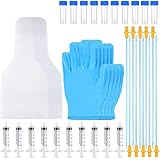
- Sufficient quantity for AI breeding: the package contains 10 sets of dog breeding kit, including 10 pieces insemination catheters, 10 pieces plastic centrifuge tubes, 10 pieces semen collection bags, 10 pieces measuring syringes without needles and 10 pairs of PVC blue gloves, adequate quantity for you to undertake AI dog breeding
- Proper size: the length of the insemination catheter is 30 cm, both centrifuge tubes and measuring syringes without needles are 5 ml, the blue gloves are medium sized, the suitable size of the canine breeding kit fit for small and medium animals breeding
- Insemination catheter: made of PVC material, the catheter is flexible that it can be bent randomly, not easy to crack and deform; Each catheter is individually packaged, with smooth surface, it is reliable and secure for animals breeding
- About centrifuge tubes: the centrifuge tubes are designed with screw caps, which can prevent semen leakage, its smooth and flat inner surface allows it to have no residue; There are white clear marks for you to read clearly
- Applicable scope: the artificial canine breeding kit is appropriate for small and medium sized breeds, such as dogs, goats, sheep, pigs and other breeds, practical and useful tool for artificial insemination
Last update on 2026-10-15 / Affiliate links / Images from Amazon Product Advertising API
Tips for Responsible and Ethical Breeding of Papillions
Breeding papillons can be a fulfilling experience for dog lovers, but it requires responsibility and ethical considerations.
In summary, here are the key points to keep in mind when breeding dogs:
- Understand papillons’ characteristics and personality traits as a dog breeder before deciding to breed them.
- Consider the benefits and risks of breeding papillons, including potential health issues and financial costs for dog lovers.
- Follow best practices for successful dog breeding, such as genetic testing, proper nutrition, and socialization.
- Address common questions and concerns about breeding papillons with transparency and honesty, specifically related to dogs.
- Be prepared for potential challenges in breeding papillons, a small dog breed, such as difficult births or behavioral issues.
- Prioritize grooming, health, and care needs for both the parent dogs and their puppies.
Remember that responsible breeding is about producing healthy puppies and ensuring their well-being throughout their lives.
It is crucial to prioritize the health and happiness of your dogs over profit or personal gain.
Breeding Papillons FAQs
Q: How long does it take to breed a papillon?
Breeding a dog, such as a papillon, can take several months from start to finish. It involves finding a suitable mate(s), preparing for breeding through genetic testing and proper nutrition, overseeing mating procedures, monitoring pregnancy progress, assisting with delivery if necessary, and caring for puppies until they are ready to be adopted.
Q: Is it expensive to breed papillons?
A: Breeding papillons can be costly due to various expenses such as genetic testing fees, veterinary bills during pregnancy/delivery/post-birth care (including emergencies), and food/nutrition costs for both parent dogs/puppies during pregnancy/lactation/growth periods, among others.
Q: What are some common health issues in Papillons?
A: Papillons may be prone to certain health problems, such as patellar luxation (knee dislocation), dental issues, eye problems (progressive retinal atrophy or cataracts), and heart disease. It is important to conduct genetic testing and regular checkups to ensure the health of both parent dogs and their offspring.
Q: Can I breed my papillon with another small dog breed?
A: Yes, it is possible to breed a papillon with another small dog breed, but potential health risks associated with crossbreeding should be considered. It is also important to ensure that both parent dogs have suitable temperaments and characteristics for breeding.
Q: How many times can a female Papillon be bred?
A female Papillon dog can be bred multiple times throughout her lifetime. Still, it is advisable not to over-breed her as it may lead to health complications such as uterine infections or other reproductive issues.
Q: Is it necessary to register my puppies with a kennel club?
A: Registering your puppies with a reputable kennel club provides documentation of their purebred status and ensures that they meet certain breed standards. This can increase their value and appeal when looking for potential adopters.
Q: How do I find responsible buyers for my papillon puppies?
A: Finding responsible buyers involves conducting thorough background checks on potential adopters, ensuring that they have the resources and knowledge necessary to care for the puppies properly, providing accurate information about the puppies’ health history and temperament, and maintaining open communication throughout the adoption process.


