

Ready for Puppies? How to Prepare for a Healthy, Well-Planned Litter
Breeding a litter demands far more than pairing two healthy dogs.
Veterinary guidance and breed club standards emphasize genetic screening, financial planning, and a safe whelping environment—each of which shapes outcomes for the dam and puppies.
This article covers readiness assessment, health testing, mentorship, budgeting, facility setup, mating management, newborn care, and responsible rehoming, so you can decide whether breeding is right for you.
Assess Your Readiness to Breed
Before you breed your first litter, answer these five readiness questions honestly, because reputable breeders estimate that fewer than 20% of dog owners who consider breeding are actually prepared for the 10-15 year commitment to every puppy produced.
Responsible dog breeding begins with self-honesty, not enthusiasm. A brood bitch may be healthy and willing, but that alone does not make a breeding program sound.

Last update on 2026-11-18 / Affiliate links / Images from Amazon Product Advertising API
Use the checklist below as a pass-or-fail self-assessment.
Each item reflects a real obligation that surfaces during breeding stock selection, canine pregnancy, whelping, and puppy placement.
If you cannot answer yes with evidence, treat that gap as a signal to pause.
- Is your dog a proven example of the breed? Look for show titles, working titles, or documented health clearances such as OFA certification, hip dysplasia evaluation, and an eye examination from a veterinary ophthalmologist.
- Have you owned the breed for at least five years? You should know its genetic pitfalls, typical temperament, and common health screening requirements before you plan a mating.
- Can you afford the upfront costs and emergencies? Budget for health screening, genetic testing, brucellosis testing, stud dog fees, whelping supplies, and prenatal care, plus a possible cesarean section if dystocia occurs.
- Do you have a breeder mentor? A mentor reviews contracts, pedigrees, and bloodline research, and can advise on breeding-pair compatibility and breed-standard concerns.
- Are you prepared to keep or rehome any returned dog for life? Your adoption contract and return policy must reflect that promise, even years after placement.
Consider a real scenario. A hobby breeder in Ohio spent $4,200 on health testing and whelping supplies before her first litter, and another $1,800 on an emergency C-section.
That total did not include puppy food, deworming schedule costs, vaccination protocol expenses, or litter registration fees. Financial preparation means an emergency fund, not just a rough estimate.
If you answered no to any question, delay breeding and pursue mentorship instead.
Spend a season attending shows, studying pedigree analysis, and shadowing an experienced breeder through a gestation period and whelping.
Breeding ethics and animal welfare demand patience. A delayed litter costs nothing, while a rushed one can cost a dog its health and a buyer their trust.
Understand Breed-Specific Health Screening
Health screening is not one-size-fits-all: a Labrador Retriever requires OFA hip and elbow evaluations plus a cardiac exam, while a Cavalier King Charles Spaniel needs annual cardiac exams and MRI screening for syringomyelia, and skipping these can produce puppies with crippling or fatal conditions.
Responsible dog breeding starts with knowing exactly what your breed’s parent club expects before a dog is ever considered breeding stock.
Every national breed club publishes recommended health clearances, and many track them through CHIC numbers issued by the Canine Health Information Center.
The Orthopedic Foundation for Animals (OFA) administers most of these registries and works with breed clubs to define which tests apply.
Breeding without those clearances generally violates the breed club code of ethics, and it can damage your reputation with mentors and puppy buyers alike.
The fastest way to find your breed’s protocol is to search for your breed name plus “club health testing” online.
That search should lead you to the parent club’s official page listing required and optional tests, along with the ages at which each test should be performed. Print that list and treat it as your screening checklist.
Keep in mind that requirements vary widely between breeds and even within lines of the same breed. A test that is mandatory for one parent club may be optional or unnecessary for another.
Confirm current protocols directly with the club, since recommendations are updated as genetic research advances.

- 【Whelping Kits For Puppy Kitten In All】 A set of Pet puppy whelping kits includes essential whelping supplies for a safe and comfortable birthing experience for your furry friend. 15 puppy whelping collars, 15 cord clamps, 6 record keeping charts, 4 Puppy feeding tubes, 5 pacifier, 1 kitten baby bottle with cups,1 pet pill syringe,1 plastic scissor,1 Digital pet scale, 1 digital thermometer,1 bulb aspirator,2 pairs blue disposable gloves,1 Box,1 storage bag(first aid bag)
- 【Nursing Feeding Bottles Kit】Including kitten bottle and puppy feeding tube,feeding syringe; this puppy kit makes it easy to feed your newborn pets; The smooth function ensures reducing upset during feeding times, setting your puppies up for growth; These pacifiers equipped puppy feeding tube syringes come in a range of capacities, making them ideal for meeting the diverse feeding requirements of young pets at different stages
- 【Powerful Record Keeping】 The puppy whelping supplies record ID form allows you to keep detailed records of when your new baby pet was born, feedings time, weight, vaccinations, new owner information and more. With colorful puppy collars to help you quickly identify each newborn puppy or kitten. Recording this information about your pet can help us better understand how they are growing and better adjust the amount of feeding
- 【Dogs & Cats Thermometer Pet Scale for Whelping supplies】 The pet digital thermometer adopts a soft silicone design, which is not harmful to pets. And gives the temperature in only 20 seconds. Multifunction scale weight know your puppy bron & grown to 5kg, the unit can change to g/lb; The PE Transparent weighing platform make your newborn puppy safety, and Easy to clean and waterproof
- 【Pet First Aid Kit】: The whelping kit for puppies birth, suitable for kittens, puppies, goats, rabbits, and more. Birthing Essentials Kit for Newborn Puppy is made from durable materials that are easy to clean and sanitize, be prepared for you litters birth with a kit for a safe and successful birth. Our dog breeding supplies are enough for feeding little puppies, which can meet your most using needs, you do not need to purchase them separately, time saving and labor saving
Last update on 2026-11-18 / Affiliate links / Images from Amazon Product Advertising API
Genetic Testing and Certifications
For a Golden Retriever breeding pair, the minimum screening panel runs about $600 to $1,200 and includes OFA hip and elbow radiographs taken at age 24 months, annual CAER eye exams by a board-certified ophthalmologist, cardiac auscultation by a cardiologist, and DNA tests for GR-PRA1, GR-PRA2, and ichthyosis.
Costs vary by region and clinic, but screening panel structure is similar across breeds.
| Test | What It Screens | Age/Timing | Cost Range | Certification Body |
|---|---|---|---|---|
| OFA hips | Hip dysplasia | 24 months | $150 to $250 | OFA |
| OFA elbows | Elbow dysplasia | 24 months | $50 to $100 | OFA |
| CAER eye exam | Inherited eye disease | Annual | $50 to $100 | OFA / ACVO ophthalmologist |
| Brucellosis test | Bacterial infection affecting fertility | Before every mating | $50 to $100 | Veterinary laboratory |
| DNA panel | Breed-specific recessive mutations | Any age, once | $150 to $250 | Embark or Paw Print Genetics |
Learning to read OFA clearances matters as much as paying for them. Hip ratings run from Excellent to Good to Fair to Borderline to Mild, Moderate, or Severe dysplasia.
An Excellent or Good rating is preferred, but a Fair rating may still be breedable when paired carefully with a stud dog that has strong hips and a pedigree free of dysplasia.
Brucellosis testing is mandatory before every mating, with no exceptions. The bacteria cause infertility, abortion, and testicular infection in dogs, and it is zoonotic, meaning it can infect people.
A single negative test before each breeding protects both dogs and your household.
Evaluating the Dam and Sire
A champion show title alone doesn’t make a dog breeding-worthy: evaluate the dam and sire on four pillars: conformation to the breed standard, temperament tested via CGC or ATTS, health clearances, and pedigree depth with at least three generations of titled, health-tested ancestors.
Breeding stock selection is about the whole dog, not one impressive ribbon.
- Conformation. Compare the dog against the AKC breed standard point by point, and consider asking a judge for a written critique to get an outside opinion on structure and movement.
- Temperament. Use AKC Canine Good Citizen results or an ATTS temperament test to document a stable, sound-minded dog. A fearful or aggressive brood bitch or stud dog can pass those traits to puppies.
- Health. Confirm every CHIC-recommended test is complete and passing, not just ordered. Keep copies of all certificates on file.
- Pedigree. Research three to four generations on the OFA database and k9data.com, looking for repeated ancestors from linebreeding and any history of genetic defects.
Breeding pair compatibility deserves careful thought. Never pair two dogs that carry the same recessive flaw, because that combination risks producing affected puppies.
Use a coefficient of inbreeding calculator, offered free at k9data.com, and aim to keep the COI under 10% to preserve genetic diversity.
Real examples show why pedigree analysis matters. A breeder avoided a popular stud because his pedigree showed three generations of epilepsy, even though he was a Grand Champion.
That decision protected the litter from a heartbreaking condition that a title alone would never reveal.

- 🐾 PUPPY & KITTEN SCALE FOR DAILY GROWTH TRACKING – Designed for newborn puppies, kittens and other small pets, this digital puppy scale makes it easy to monitor weight changes during the important early stages of growth. Ideal for breeders, foster families, whelping and everyday pet care.
- 🐾 1G RESOLUTION, UP TO 33 LB – Track even small changes in your pet’s weight with approximately 1g resolution and a maximum capacity of 33 lb. Easily switch between g and oz, making this puppy weight scale especially useful for monitoring newborn puppies and kittens as they grow.
- 🐾 SMALL ANIMAL SCALE FOR RABBITS & MORE – More than just a puppy scale, it is suitable for kittens, rabbits, guinea pigs, reptiles and other small animals. The compact weighing tray provides a convenient way to check weight for feeding, growth tracking and routine pet care.
- 🐾 WEIGHT + LENGTH GROWTH TRACKING – Includes a tape measure so you can monitor both body weight and length as your puppy or kitten develops. A practical addition to newborn puppy supplies, kitten supplies and whelping essentials for keeping simple growth records at home.
- 🐾 EASY SETUP WITH 11.5-INCH TRAY – Simply assemble the scale, place it on a hard, flat surface and keep your pet centered for the most consistent reading. The compact 11.5-inch tray is designed primarily for newborn and small pets; please check the tray size before purchasing for adult cats or dogs. Requires 2 AAA batteries, not included.
Last update on 2026-11-19 / Affiliate links / Images from Amazon Product Advertising API
Build Your Knowledge and Mentorship Network
The single strongest predictor of a successful first litter is having a mentor: the AKC Breeder of Merit program requires at least five years of documented breeding, and most ethical breeders will not sell a breeding-quality puppy to someone without an established mentor relationship.
That standard exists for good reason. Responsible dog breeding involves decisions that books cannot fully prepare you for, from reading progesterone testing results to recognizing the early signs of dystocia.
Building a network takes deliberate effort. Treat it as a multi-step project, not a single conversation with one breeder. The four steps below give you a clear path from curious newcomer to trusted student of the craft.
Step one: join your local breed club. Search the AKC’s club directory to find the parent or regional club for your breed. Attend three or four meetings before asking anyone for mentorship.
Show up consistently, listen more than you talk, and let members get to know you as a serious, patient learner.
Step two: volunteer as a ring steward at dog shows. Stewarding puts you beside exhibitors and judges in a working capacity, which builds familiarity fast. You will observe conformation judging up close and meet handlers whose bloodline research and breeding pair compatibility decisions you can learn from.
Step three: take a structured course. The AKC’s Breeder Education series and a canine reproduction course from Theriogenology.org cover the estrus cycle, ovulation timing, artificial insemination, and canine pregnancy management in depth.
Pair coursework with reading The Joy of Breeding Your Own Show Dog by Ann Seranne, and watch the OFA’s breeder education webinars on health screening and genetic testing.
Step four: shadow a mentor through a full whelping cycle. Ask to follow one litter from progesterone testing through placement. You will see prenatal care, whelping box setup, labor signs, newborn puppy care, and buyer screening in real time. This single experience teaches more than months of reading.
Set a realistic timeline. Expect one to two years of mentorship before your first breeding.
Use that period to study breed standard details, attend health clinics, and learn how OFA certification and hip dysplasia evaluation fit into breeding stock selection.
Patience now protects both your brood bitch and your reputation.
Plan the Finances of Breeding
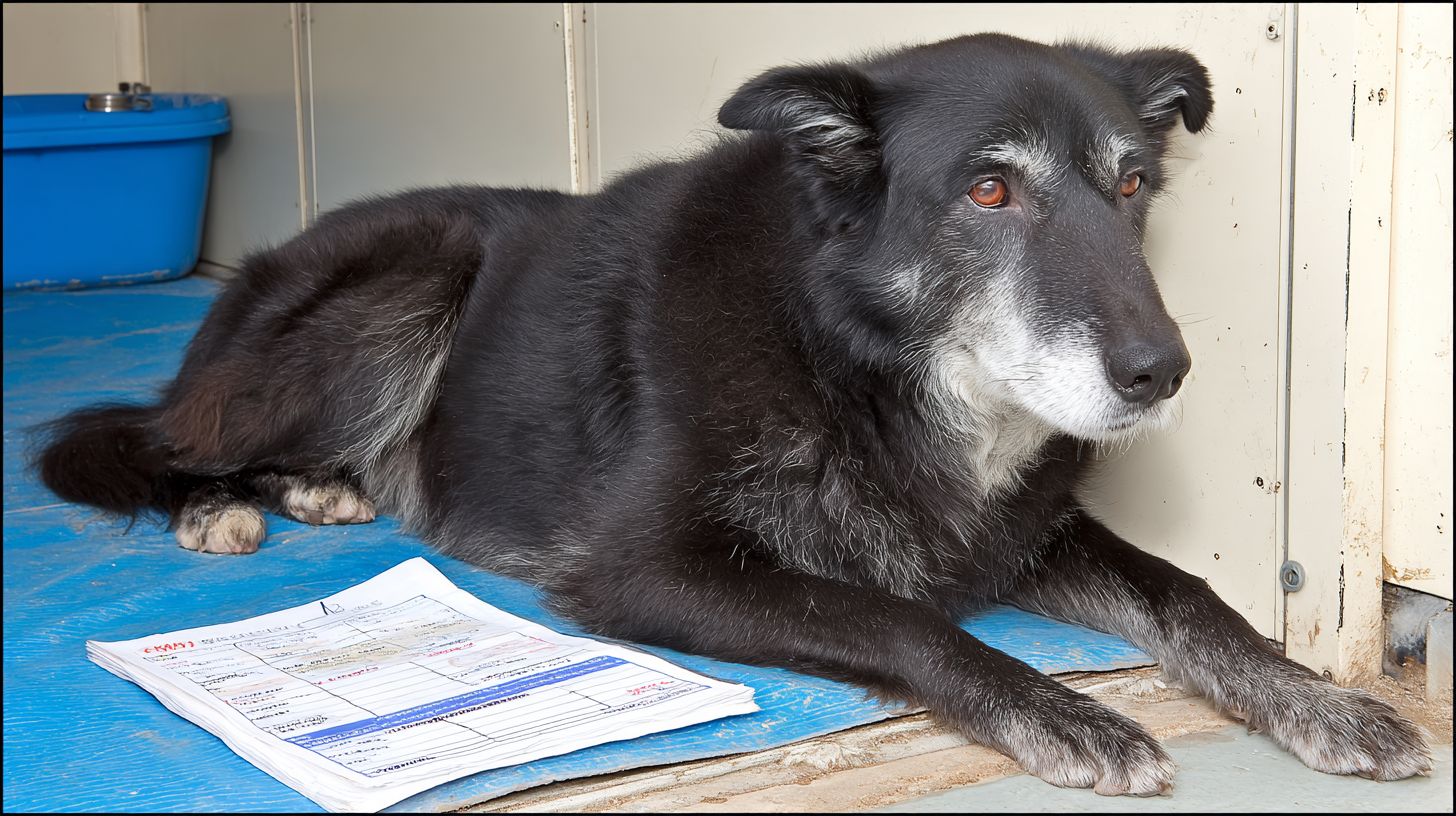
A single litter can cost $3,000-$10,000 before you sell a single puppy, and an emergency C-section alone runs $2,500-$5,000, so a dedicated $5,000 emergency fund is non-negotiable.
Responsible dog breeding takes time, space, and money, and the financial side deserves the same careful planning as breeding stock selection and health screening.
Start by mapping every expense from pre-breeding testing through puppy placement.
The table below shows a realistic breakdown for one litter, though your totals will vary by region, breed, and clinic.
| Expense Category | Typical Cost | Notes |
|---|---|---|
| Pre-breeding health testing | $600-$1,200 | OFA certification, hip dysplasia evaluation, eye examination, brucellosis testing, genetic testing |
| Progesterone testing | $75-$150 per test | Often 3-5 tests to pinpoint ovulation timing |
| Stud fee | $500-$2,000 or a puppy back | Depends on the stud dog’s titles and pedigree analysis |
| Whelping supplies | $300-$500 | Whelping box, heating pad, incubator, scale, formula, first aid kit |
| Prenatal vet visits, ultrasound, x-ray | $200-$400 | Confirms canine pregnancy and litter size |
| Puppy vaccinations and deworming | $50-$100 per puppy | Follows the deworming schedule and vaccination protocol |
| Litter registration | $25-$50 | Kennel club paperwork, such as AKC registration |
| Marketing and adoption screening | Varies | Photos, health records, screening buyers, adoption contracts |
Run a sample budget for a six-puppy litter priced at $2,500 per puppy. Gross income lands near $15,000, and after the costs above plus microchipping, puppy food, and supplies, many breeders net roughly $5,000-$8,000.
That figure looks attractive until something goes wrong.
A C-section, a bout of fading puppy syndrome, or a case of mastitis in the brood bitch can erase that margin in a single night. Neonatal mortality and stillbirth also reduce litter size and income.
That is why breeding isn’t a money-making venture, and reputable breeders often break even or lose money across a breeding program.
Treat the emergency fund as untouchable and separate from your household savings. Keep it ready for a midnight dystocia call, an incubator rental, or bottle feeding supplies if lactation fails.
Before your brood bitch enters her heat cycle, confirm you can cover every line in the budget plus the worst-case scenario.
- Set aside the emergency fund before the breeding takes place
- Get a written estimate from your veterinary consultation for prenatal care and a possible cesarean section
- Track every receipt so you understand your true cost per puppy
- Budget for returns, since a responsible return policy may mean caring for a puppy again
Financial preparation also protects the animals. When money is tight, breeders cut corners on health screening, prenatal supplements, or puppy veterinary care, and the puppies pay the price. A clear budget keeps your breeding ethics intact and your program sustainable.
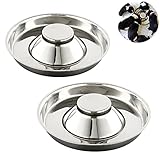
- 【Large Diameter Puppy Dish】Stackable 2 pack bowls for puppy litter’s food and water. Size: diameter 10.2in/26cm, volume 1.0L/35 oz. Each one puppy slow food bowl 10.2in/26cm can provide enough feeding space for 3~4 puppies or cats, two bowls for 6~8 puppies or cats.The actual situation varies according to the breed and growth of your puppies, if you buy the wrong size, we support free exchange!
- 【Safety】The edge of this stainless steel slow feeding puppy bowl is polished very smoothly, and won’t harm the delicate tongue of puppy or cat when they are licking. If they are stackable too tight to apart them when you receive the package, please soak them in hot water firstly.
- 【Puppy-friendly Design】The short side design of the puppy weaning whelping bowl is very friendly to puppies and cats, the bulge in the middle prevents the puppy from sitting in the middle of the food, the wide-ring is good for flat faced cats too.Can also be used for small animals feeding and animal weaning on farm and ranch.
- 【Easy to clean】 Puppy bowls only need to be washed with water, dishwasher-safe, easy cleaning by rinse, washed as bright as new.
- 【Risk-free purchase】Our puppy bowl has passed strict quality inspections. If you are not satisfied, you can replace or refund freely. Any questions, please contact us firstly, we will solve your problem as soon as possible.
Last update on 2026-11-19 / Affiliate links / Images from Amazon Product Advertising API
Prepare Your Home and Facilities
Your whelping area must be ready 2 weeks before the due date.
Set up a quiet, draft-free room at 75-80°F for newborns, with a whelping box with pig rails (safety rails) to prevent the dam from crushing puppies against the wall.
Place this space away from household traffic so the brood bitch can rest without constant interruption. Newborns cannot regulate their own body temperature for roughly the first 2 weeks, so heat control is not optional.
A dedicated, sanitizable room lowers stress on the dam during labor and helps reduce neonatal mortality.
Assemble every supply and practice with the equipment before contractions begin. Fumbling with a heating pad or scale mid-whelping wastes precious minutes.
A dry run also lets you confirm the room holds temperature overnight, when most litters arrive.
Treat this preparation as part of your breeding program planning, not an afterthought. Pair it with your veterinary consultation and prenatal care schedule so the facility, the dam, and your emergency fund are all ready together.
Whelping Area Setup
Build or buy a whelping box big enough for the dam to stretch out fully—typically 4×4 feet for medium breeds—with 4-6 inch pig rails and a removable floor for easy cleaning.
Equip it with a heat lamp or heating pad set to 85-90°F for the first week.
Allow 1-2 hours to assemble everything and test the heat source.
Gather these supplies in one bin:
- Whelping box, either DIY plywood or a commercial model (budget roughly $150-$400)
- Heat source with a dimmer or thermostat, plus a wall thermometer
- Bedding: newspapers for delivery, then fleece or vet-bed liners
- Scale accurate to 0.1 oz for daily puppy weight monitoring
- Bulb syringe, hemostats, sterile scissors, and iodine for umbilical cord care
- Puppy formula and bottles for backup feeding
- Digital rectal thermometer for the dam
Common mistakes include a box too small for the dam to turn around, a heat source she cannot escape, and no night-light for overnight monitoring.
Fix these before labor signs appear, because a stressed dam during delivery raises the risk of dystocia.
Safety and Sanitation
Newborn puppies are immunologically naive, and parvovirus can survive on surfaces for months. Implement a biosecurity protocol with a footbath at the whelping room door, no shoes inside, and disinfection of the box with a parvicide before and after the litter.
Follow these five sanitation practices through the first 3 weeks:
- Limit visitors to essential caregivers only
- Apply a disinfectant labeled effective against parvovirus to all hard surfaces
- Wash bedding daily at 140°F
- Keep the dam free of fleas and parasites using vet-approved products safe for pregnancy, and avoid permethrin
- Store puppy supplies in a closed cabinet away from rodents
Puppy-proofing matters too. Block gaps under furniture, cover electrical cords, and remove toxic plants such as sago palm and lily of the valley.
These steps protect the litter once eyes open and mobility arrives.
Zoonotic disease deserves attention as well. Wash hands after handling puppies, and discourage face-licking by immunocompromised family members.
Clean facilities support colostrum intake, nursing, and steady weight gain in the critical first days.
Manage the Breeding Process
Canine reproduction is a timed process. The estrus cycle lasts around 21 days on average, but fertility peaks in a narrow window that is easy to miss. Relying on calendar math alone puts a litter at risk.
Progesterone testing through your veterinarian is the gold standard over day counting because cycle length varies by breed and individual.
Each test typically costs $75 to $150, and the results tell you when ovulation actually happened.
Once timing is confirmed, you have options: natural mating, artificial insemination (AI), or surgical insemination. A mentor or veterinarian should guide your first breeding so timing or technique mistakes don’t cost you an entire cycle.
This stage rewards preparation.
Responsible dog breeding means knowing your brood bitch’s cycle, having your stud dog or chilled semen lined up, and keeping a written record of every test result and mating date.
Timing and Mating
Successful mating depends on precise ovulation timing. Progesterone testing every 48 hours starting around day 5 of heat identifies the LH surge, and breeding should occur 2 to 4 days after ovulation. Fresh semen lives 5 to 7 days, while eggs remain viable only 2 to 3 days.
Follow a clear protocol:
- Start progesterone testing when the dam first flags.
- Identify ovulation, typically when progesterone is 5 to 8 ng/mL and the LH surge occurs.
- Breed 2 days after ovulation and again 2 days later.
- For natural mating, use a neutral location and muzzle the male if needed for safety.
- After the tie, keep the pair calm and separate them after 30 minutes.
For natural mating, bring the pair together when the dam is flagging (standing heat), and progesterone reads above 5 ng/mL. Allow a natural tie for 5 to 30 minutes, then repeat every 48 hours for 2 to 3 breedings. If the pair will not tie, fresh-chilled AI with a vet runs roughly $200 to $500.
Surgical insemination, around $500 to $1,000, suits breeds with vaginal anatomy issues such as Bulldogs. One French Bulldog breeder used progesterone testing and surgical AI after two failed natural breedings, resulting in 5 puppies.
Breeding pair compatibility and accurate ovulation timing make the difference.

- Complete 8-in-1 Puppy Support: Daily soft chews support healthy growth, bones and teeth, skin and coat, immunity, brain development, digestion, vision and energy
- Omega-3 & Probiotic Formula: Made with higher levels of omega-3 fatty acids and probiotics than many puppy supplements to support digestive balance and healthy development
- Vet-Recommended Ingredients: Colostrum supports immunity, DHA Gold supports brain and vision development, and PET-PROSTART probiotics are selected for puppies
- NutriCool Cold-Formed Soft Chews: Help preserve ingredient potency and freshness; manufactured in-house in the USA
- Gentle on Sensitive Stomachs: Hickory smoke flavor made with pork plasma; free from dyes, artificial flavors, fillers, palm oil, corn, wheat and soy

Last update on 2026-11-19 / Affiliate links / Images from Amazon Product Advertising API
Pregnancy Care and Nutrition
Canine gestation lasts 63 days from ovulation, or 58 to 68 days from mating.
The dam’s nutritional needs shift at week 5. Switch to a high-quality puppy food and increase intake by 25 to 50% by whelping day.
Structure prenatal care week by week:
- Weeks 1 to 3: maintain normal diet and exercise, and confirm pregnancy via ultrasound at day 25 to 30 ($100 to $200).
- Weeks 4 to 6: transition to puppy food, deworm the dam with fenbendazole per vet protocol, and avoid all vaccines and unnecessary medications.
- Weeks 7 to 9: reduce exercise, prepare the whelping box and supplies, and take an X-ray on day 55 to 58 to count puppies ($100 to $200).
On prenatal supplements, avoid excess calcium because it can trigger eclampsia. A DHA supplement supports puppy brain development.
Never give human prenatal vitamins, since some contain toxic levels of vitamin A.
Keep a veterinary consultation on speed dial through gestation. Record weight, appetite, and any discharge so your vet can spot problems early. Good prenatal care protects both the brood bitch and the litter.
Prepare for Whelping and Newborn Care
Recognize active labor by strong abdominal contractions and a clear or slightly bloody discharge.
If the dam strains for more than 30 minutes without producing a puppy, or if more than 2 hours pass between puppies, call your vet immediately, because dystocia (difficult birth) can quickly kill puppies and dams.
Whelping is the moment your breeding program planning meets reality. Set up your whelping box and lay out your whelping supplies well before the due date, since labor often begins at night.
Keep your veterinary consultation number and an emergency fund ready for a possible cesarean section.
Part 1: Labor and delivery. Track the three stages, so you know what is normal and when to act.
- Stage 1: Restlessness, nesting, panting, and a rectal temperature drop below 99°F, usually within 24 hours of labor.
- Stage 2: Visible contractions and delivery, with a puppy expected roughly every 15 to 60 minutes.
- Stage 3: Placenta delivery after each puppy, which the dam often eats.
Intervene gently when a puppy arrives. Clear the airway with a bulb syringe, tie the umbilical cord with dental floss about 1 inch from the body and dip it in iodine, rub the puppy dry with a towel, then place it on a teat to encourage nursing.
Part 2: Newborn care. Weigh each puppy daily on a kitchen scale; healthy newborns should gain roughly 10 to 15 percent of birth weight each day. Keep the room at 85 to 90°F during week 1 and make sure every puppy takes colostrum within 2 hours of birth.
Watch closely for fading puppy syndrome. Warning signs include hypothermia, dehydration, constant crying, and refusal to nurse.
These newborns decline fast, so act the same day you notice a problem.
| Red Flag | Possible Cause | Action |
|---|---|---|
| Green or black discharge before the first puppy | Placental separation | Call your vet right away |
| Dam’s temperature over 103°F | Metritis or mastitis | Veterinary exam and treatment |
| Tremors, stiffness, or restlessness in the dam | Eclampsia (low calcium) | Give calcium and call the vet |
| Puppy not nursing or losing weight | Weakness or poor milk supply | Bottle-feed with puppy formula every 2 hours |
Record each puppy’s weight, feeding, and elimination in a puppy health records log. Good notes make it easier to spot slow gainers early and to share accurate details with your vet.

- HIGH-CALORIE SUPPLEMENT FOR DOGS & PUPPIES 8 WEEKS AND OLDER – Dyne is a powerful nutritional supplement that provides additional calories to support dogs in all life stages: active, pregnant, lactating, underweight, and senior.
- POWERFUL NUTRITION – This high-calorie, low-volume formula supports performance and endurance for working and active dogs; and provides pregnant/lactating dogs with important nutrients.
- DENSE FORM OF ENERGY – The concentrated calories in Dyne don’t limit stomach capacity for a dog’s normal diet.
- DIRECTIONS – Shake well prior to feeding. Can be fed directly or poured over food. With high fat and a sweet vanilla flavor, Dyne is highly palatable.
- ABOUT US – PetAg is a trusted leader in pet wellness, with science-backed formulas in our milk replacers, health supplements, and grooming products helping pet owners to proactively enhance the lives of their pets, for more healthy years together.
Last update on 2026-11-19 / Affiliate links / Images from Amazon Product Advertising API
Plan for Placement and Responsible Rehoming
Start screening adoptive families before the puppies are born. Use a detailed application that asks about vet history, fencing, and training plans, conduct phone interviews, and require a signed contract that includes a first-right-of-return clause, a spay/neuter agreement for pet puppies, and a microchip registered to your kennel.
Screening buyers early protects both the puppies and your reputation as a responsible dog breeding program. Families who complete the process before whelping are less likely to back out once the litter arrives.
Keep a waiting list ranked by fit, not by who asked first.
Your contract should spell out every expectation in plain language. A health guarantee covering a vet check within 48 to 72 hours, a clear return policy, and a spay/neuter agreement for pet puppies by 6 to 12 months are standard.
Limited registration for non-breeding puppies prevents accidental litters later.
Consider how a real breeder handles this step. One uses a 10-question application and requires a FaceTime home tour, and rejected 3 of 8 applicants for inadequate fencing or no vet reference.
That level of scrutiny is normal in ethical breeding programs.
A placement timeline keeps the litter on track from birth to pickup day:
- Weeks 1 to 3: handle puppies daily and begin Early Neurological Stimulation exercises
- Weeks 3 to 5: introduce novel surfaces and sounds, and start deworming at 2, 4, 6, and 8 weeks with pyrantel pamoate
- Weeks 6 to 8: first vaccinations (DHPP at 6 to 8 weeks), temperament testing such as the Volhard PAT, and matching puppies to families
Before placement at 8 weeks, complete litter registration with the kennel club and microchip each puppy. AKC litter registration typically runs $25 to $50, and microchipping costs about $25 to $50 per puppy. File your AKC paperwork early so registration papers are ready when families pick up their puppy.
Weaning overlaps with this placement window, so plan both together. Introduce softened puppy food at 3 to 4 weeks while the brood bitch is still nursing.
Move gradually to fully weaned by 6 to 7 weeks, and monitor weight daily during the transition.
Keep puppy health records updated with every deworming, vaccination, and vet visit. These records travel with each puppy and reassure adoptive families.
A complete file also supports your health guarantee if questions arise later.
Temperament assessment in weeks 6 to 8 helps you match each puppy to the right home. A bold puppy may suit an active family, while a quieter one may thrive with a calmer household. Pairing carefully reduces returns and supports animal welfare.
Responsible rehoming does not end at pickup. Stay in touch with adoptive families, answer questions about housebreaking and crate training, and honor your return policy if a placement fails.
Breeding ethics means standing behind every puppy for its whole life.
Frequently Asked Questions
What health clearances should I obtain before I Prepare Yourself for Breeding a Litter of Puppies?
Before breeding, both the dam and sire should pass breed-appropriate health screenings, such as hip and elbow evaluations, eye exams, cardiac checks, and genetic tests for conditions common to your breed. These clearances reduce the risk of passing on inherited disorders and demonstrate responsible breeding. Consult your veterinarian and your breed club for the specific tests recommended for your breed, and make sure results are current before you Prepare Yourself for Breeding a Litter of Puppies.
How much money should I budget when I Prepare Yourself for Breeding a Litter of Puppies?
Breeding is rarely profitable, and costs add up quickly: pre-breeding health testing, stud fees or travel, prenatal veterinary care, whelping supplies, possible emergency C-section, puppy food, vaccinations, deworming, microchips, and registration paperwork. A realistic budget often runs into the thousands of dollars, plus a reserve fund for emergencies. Setting aside savings and understanding these expenses are key to Preparing Yourself for breeding a Litter of Puppies without financial strain.
How do I find a suitable stud dog and arrange the breeding?
Choose a stud that complements your female’s strengths, has completed the same health clearances, and has a temperament you admire. Review pedigrees for diversity and avoid closely related pairings. Contact the owner early to discuss contracts, timing, and whether you’ll use natural breeding or artificial insemination. Reputable stud owners will want to see your health testing too, so have documentation ready as you Prepare Yourself for breeding a Litter of Puppies.
What supplies and setup do I need for whelping and raising the puppies?
Set up a quiet, warm whelping area with a whelping box, clean bedding, heating pads or a heat lamp, and easy-to-clean flooring. Gather supplies such as towels, scissors, dental floss for tying cords, a bulb syringe, a scale for daily weigh-ins, puppy formula, bottles, and a whelping record chart. Have your veterinarian’s emergency number posted nearby. Preparing this space well in advance is one of the most practical steps to Prepare Yourself for Breeding a Litter of Puppies.
How can I find responsible, screened homes for the puppies?
Start screening potential buyers before the puppies are even born. Use an application, interview families, ask about their lifestyle and experience, and require a contract that includes spay/neuter agreements and a return clause. Avoid selling to the first interested party and be wary of buyers who seem focused only on price or appearance. Thoughtful placement is a core responsibility when you Prepare Yourself for breeding a Litter of Puppies.
What legal and ethical responsibilities come with breeding a litter?
Check your local laws and HOA rules on breeding and the number of dogs you may keep, and understand your kennel club’s registration requirements. Ethically, you are responsible for every puppy produced for its entire life, which means being prepared to take back any dog you bred. Committing to lifelong support for your puppies and their owners is central to how you Prepare Yourself for breeding a Litter of Puppies responsibly.




One Comment