

Unveiling the Mystery: Why Dogs Cry When Breeding?
Key Points
- Dogs may cry during mating due to physical sensations from penetration and the tie, which can cause temporary discomfort. Observe for intensity and duration, and consult a vet if pain appears severe or prolonged.
- Hormonal fluctuations during heat make them especially sensitive and emotional, and they vocalize a lot at this time in both males and females. Monitor the female’s cycle and perform progesterone testing to schedule breeding during her fertile period.
- Inexperience and anxiety are the typical causes of whining or moaning, particularly with virgin females or unaccustomed pairings. Employ calm introductions, positive reinforcement, and a quiet, private space to minimize stress.
- Pain or health issues can underlie crying and need immediate attention. Have a nose for bleeding, escape attempts, incessant howling, or residual trauma. Stop breeding if observed.
- Breed traits, vocal tendencies, and discomfort are all factors; some small or anatomically distinct breeds are more sensitive. Match fit dogs in terms of size, health, and temperament to reduce the possibility.
- Get ready with health screenings, a safe space, and documented histories of listings and results. Don’t interrupt the tie, never force mating, and always put welfare above results at every stage.

Last update on 2026-03-24 / Affiliate links / Images from Amazon Product Advertising API
Why do dogs cry when breeding?
Short vocal sounds often come from normal arousal, physical pressure during the tie, or stress from poor handling.
In males, penile swelling and the bulbus glandis can cause strain. In females, first-time mating, mismatched size, or vaginal dryness can add pain.
Loud, repeated yelps may indicate injury, anxiety, or infection.
To reduce risk, use calm handlers, matched pairs, non-slip floors, and post-mating checks.
The sections below break down causes, care, and safety steps.
Why Do Dogs Cry When Breeding?

Why do female dogs cry during the mating process? It can signal pain, irritation, or health issues. Their normal vocalizations, such as whines and yelps, can range from soft to sharper, but persistent distress warrants intervention.
1. Physical Sensation
During the mating process, the “tie” (or “lock”) occurs when the bulbus glandis of the male dog swells inside the female dog’s vagina. This distension stretches tissue and may feel strange or sore for the female canine.
As a result, she may whine or shift her stance, while the male can vocalize too, often from strain as they remain connected. Physical restraint can increase stress, especially during the heat cycle, when mating tendencies are heightened.
This swelling keeps both dogs attached for a few minutes, sometimes even 10 to 20 minutes. The female’s rear quarters are offered, tail held to one side, perhaps in an ungainly, rigid position. Certain dogs whine from sheer pain; others whine from exhilaration or excess stimulation.
Silent observation is usually sufficient, but dog owners should be attentive to any unusual noises or signs of discomfort.
A brief yelp at penetration or at the onset of the tie is typical. If crying is severe, persistent, or accompanied by biting, collapse, or escape attempts, it’s essential to assess for injury and separate only after the tie is broken.
Be on the lookout for swelling outside normal limits, limping, or guarding of the vulva, as these could indicate a health issue that needs attention.
2. Hormonal Influence
Estrous cycles shift estrogen, progesterone, and luteinizing hormone levels, which can heighten sensitivity and prime emotional reactivity.
Many females in heat are vocal in general, and that extends into mating.
Males, salivating at pheromones, exhibit arousal-driven restlessness and may whine due to high drive, not pain. Mood swings, clinginess, or crankiness in females are standard consequences of these hormonal surges.
These hormone peaks are normal components of the heat cycle and do not indicate injury alone.
3. Inexperience or Anxiety
Hey, first timers, it’s because it feels new and confusing.
A strange stud, a new environment, and onlookers can increase excitement and anxiety.
Whining, panting, trembling, or moaning can often denote nerves, not injury. Reduce load by using slow introductions, neutral ground, low noise, and calm handlers. Reward firm standing and soft touch. Stop if the female resists.
4. Pain or Discomfort
Penetration, swelling, or strange angles can all hurt. Smaller females with larger males are more stressed, so size and conformation match is important.
Reproductive health is key. Vaginitis, urinary infection, or prior injury can amplify pain. Be on the lookout for bleeding other than light spotting, persistent distress, foul discharge, or pain after separation. Consult a vet if any red flags pop up!
5. Breed Predisposition
Certain breeds are just more yappy. Huskies, beagles, dachshunds, and quite a few toy breeds actually “talk” when stressed or excited. Tiny breeds and dogs with tight pelvic anatomy may experience additional pressure from the tie.
Brachycephalic dogs can exacerbate respiratory strain, increasing stress. Plan for breed tendencies: careful size pairing, non-slip footing, and shorter sessions with rest. Experienced handlers can pre-screen fitness and reduce risk.

- Perform up to 15 Artificial Breeding: this package includes 15 pieces of dog semen collection bags, 15 pieces of artificial insemination pipette catheter, 15 pieces of syringes without needles and 15 pairs of gloves; You can perform up 15 artificial breeding with this AI dog breeding kit
- Quality Material: the insemination catheter is made of PVC; The dog semen collection bag and syringe are made of plastic; The gloves are made of nitrile; They are disposable products and not reusable
- Delicate Design: the tip and surface of the catheter is smooth and safe for animals; The surface of the canine collection cone is matte and non-slip for you to take; The gloves are smooth and can keep your hands clean during the AI process
- Suitable for Small Breeds: these tools appropriate in size, only suitable for small breeds; The dog semen collection bags are 31 cm in length; The artificial insemination pipette are 28.4 cm in length and the syringes without needles are 10 ml; The gloves are large sizes
- Sanitary to Use: both the insemination and syringes are individually packaged, which ensures the AI breeding process to run safely and hygienically
Last update on 2026-03-24 / Affiliate links / Images from Amazon Product Advertising API
The Canine Mating Process
Dog mating, particularly during the female dog’s heat cycle, follows a specific hormonal, behavioral, and anatomical pattern.
Success hinges on timing in the female’s cycle, a calm space, and secure handling to allow natural instincts to run their course.
The Courtship
Courtship begins when the female dog enters estrus and exudes pheromones in urine and skin secretions. Male dogs follow these olfactory clues and then inspect the vulva and flank.
You commonly observe perineal sniffing, gentle licking, play bows, circling, and brief chases that gauge enthusiasm and help alleviate tension during mating.
As receptivity peaks (standing heat), the female stands rigid with hind legs slightly apart. She ‘flags’ by lifting or sweeping her tail to one side, which exposes the vulva for mounting.
Some female dogs rock back into the male or bump him.
Others freeze but maintain the tail flag. If she’s not ready, she sits, snaps, tucks her tail, or walks away, showcasing her mating tendencies.
These cues help avoid coerced physical interaction and minimize the risk of harm. Pheromones guide much of this phase.
Volatile compounds in estrous urine activate the male’s vomeronasal organ, priming erection and mounting behavior, crucial for successful dog pregnancy.
Bad timing, too many people, too much noise, or slippery floors can throw a wrench in romance. Overhandling breaks pheromone exchange and body cues.
Provide clean, non-slippery flooring, few people around, and relaxed dogs of similar size.
| Behavior/Sign | Description | Who |
|---|---|---|
| Sniffing perineum | Scent check for estrus status | Male |
| Licking vulva | Confirms pheromones, builds arousal | Male |
| Flagging tail | Tail to side to expose vulva | Female |
| Standing heat | Stands still, hind legs braced | Female |
| Play bow/circling | Reduces tension, tests interest | Both |
| Moving away/tail tuck | Non-receptive, needs more time | Female |
The Mount
The male mounts from behind and attempts to match the bulbus glandis to the vulvar opening. He grasps with forelegs, thrusts his hips, and searches for intromission. First attempts frequently miss, particularly on slick floors or when there is height disparity.
Failed attempts can trigger whining, yips, or pacing due to arousal and stress. Gently supporting the male’s chest or keeping the pair steady can help.
Do not force penetration. Proper alignment matters.
A poor angle can bruise the vulva or strain the male’s penis. Avoid loud cues and let them solve micro-adjustments. One handler per dog is enough. Step in only to prevent falls.
The Tie
The tie begins after penetration when the bulbus glandis engorges and locks inside the vaginal vault. The male often steps over to straddle back-to-back while the bulb remains swollen.
This phase aids semen retention and can last five to thirty minutes.
Vocalizations—whines, grunts, brief yelps—are common as tissues stretch and pelvic muscles contract. They signal intensity, not always pain. Do not separate the dogs.
Pulling can tear the vaginal wall or damage the penis. Keep them calm, block sudden turns, and wait for detumescence before guiding them apart.

- Great Durability: Artilife whelping bed is made of PVC and MDF,thick side and thick bottom,very durable.
- Portable: Great travel pool.It folds up well,easy to clean,and has been a great travel pool.
- Foldable: Drain the water,fold the sides edges,put the drain port up,fold the bottom,easy set up and fold,It folds up tiny and folds up for easy storage.
- Functional: Great whelping pool!Perfect for whelping,you can use this pool as a whelping box for your dog,also it can be a ball pit,plus you can use it for bathing your dogs.
- Package Included: 1 Pack 39inch Dia.x12inch H Whelping Pool Whelping Box.
Last update on 2026-03-24 / Affiliate links / Images from Amazon Product Advertising API
Is The Crying Normal?

Mating vocalizations of female dogs range from normal to alarming, with typical noises indicating arousal and the tie phase.
Distress signals, however, can indicate pain or anxiety, so dog owners should track the frequency, duration, and intensity to distinguish normal vocalizations from those requiring assistance.
Normal Vocalizations
Normal crying consists of little whines, low moans, quick barks, grumbles, and panty whimpers. A few dogs even make small yipping noises when the male achieves intromission or when the bulbus glandis swells, signaling that the tie has commenced.
Short growls can be part of arousal, particularly in high-drive breeds.
These sounds often mark excitement and mounting tension as hormones surge. Mild discomfort can occur when the male’s penis locks during the tie, which may last five to thirty minutes on average, sometimes up to forty-five minutes.
Short, spaced-out whines or moans are common in first-time pairs and tend to lessen with experience.
Most normal crying diminishes as soon as the tie loosens and both dogs disengage. Breath steadies, posture releases, and the pair frequently exhibits normal post-copulatory grooming.
If the room is still, safe, and not very crowded, noises tend to subside more quickly.
Document what you hear and see: note start time, type of noise, whether it clusters during mounting or the tie, and when it stops.
A basic log includes date, pair, sort of noise (whine, moan, bark), intensity (1 to 5), and duration. This lets you contrast subsequent sessions and identify anomalies.
Distress Signals
Nonstop crying, piercing yelping that cascades without pause, wild writhing, or escape efforts are a good indication that something’s wrong.
If either dog freezes stiff, snaps in panic, or refuses to weight bear on a hind leg, flag it as a red flag. A locked tie with loud, unyielding screams is not normal.
Excessive vocalization can point to pain from penile or vaginal injury, a misaligned mount, or orthopedic strain.
Emotional trauma is possible when handling is rough, the space is chaotic, or the dogs are forced. First-timers are at higher risk if introductions are rushed or sizes are poorly matched.
Jump in immediately if panic intensifies. Hold up both dogs to prevent yanking, pacify the area, and keep gatecrashers out.
Call a vet if there is bleeding, swelling, collapse, or disorientation. Post-separation clinical exam screens for tears, infection,s or spinal or hip strain.
Distress checklist:
- Continuous crying: unbroken wails for more than 30–60 seconds.
- Repeated sharp yelps: high-pitched, frequent, pain-linked spikes.
- Escape attempts: lunging, dragging, spinning while tied.
- Rigid body or trembling: tight muscles, tucked tail, shaking.
- Aggression from panic: snapping, biting, or defensive lunges.
- Visible injury: blood, abnormal swelling, limping, or collapse.
Preparing Dogs For Mating

Thoughtful preparation minimizes anxiety and reduces the risk of tearfulness during mating, safeguarding the well-being of both canines.
Health Screenings
Both dogs should receive full examinations before any pairing to ensure a healthy mating process. A veterinarian should run comprehensive panels, including brucellosis testing to prevent contagious infertility and miscarriage risks, fecal exams, and skin checks to clear internal and external parasites.
It is crucial to assess the reproductive health of both male and intact female dogs. Screening for breed-specific inherited disorders using DNA tests and orthopedic evaluations is essential.
Timing is critical, and progesterone testing is central to this process. Blood draws are performed every 24 to 48 hours, following the rise from baseline to the ovulation threshold.
Peak fertility typically occurs 2 to 3 days post-ovulation, ensuring that breeding produces viable oocytes rather than relying on vague calendar guesses.
Vaccinations should be up to date, and both dogs must be free of parasites.
Deworming if necessary, treating for fleas and ticks, and ruling out any active infections are also important steps for responsible breeders.
Maintaining records of vaccines, brucellosis results, genetic panels, and progesterone values establishes clear expectations in the paperwork.
This documentation supports responsible choices should any issues or additional litters arise during the female dog’s heat cycle.
Ultimately, ensuring both dogs are in optimal health before mating not only benefits the individuals involved but also contributes to the overall health of future litters.
Environmental Setup
Employ a quiet, secluded room with the door shut.
Clear away dangers such as cables, slick mats, or wobbly furniture. Most handlers opt for an area of roughly 6 to 10 square meters so that movement is directed but not claustrophobic.
Spread non-slip flooring, a rubber mat with washable covers, and include soft bedding that grips paws. This assists during the “tie,” when equilibrium can fluctuate.
Limit other animals and people. One handler per dog usually suffices. Keep lighting soft and noise low to minimize excitement and restrict surprise reactions.
Keep towels, enzymatic cleaner, gloves, and bags on hand for discharge or pink staining. A small first-aid kit and the clinic’s phone number should be at hand.

- [SUPER ABSORBENT & LEAKPROOF] The puppy training pads are strong absorbent and leakproof function. Its double thickened material inner can absorb water strongly and effectively prevent leakage, keeping puppies and floor clean and dry. Create a comfortable environment for your puppy all the time
- [WASHABLE & REUSABLE] The reusable pee pads can be machine washed. Meanwhile, it comes with 2 pcs of potty pads in the package. So you can easily replace a new one after cleaning. Our washable pee pads for dogs are more affordable and also can serve you for a long time
- [SKIN-FRIENDLY & ANTI-SLIP BOTTOM] Our washable puppy pads are made of comfortable cotton and PVC, composed of 4 thickened layers. Soft and breathable surface, strong absorbent and leakproof inner, and anti-slip bottom with gels. This anti-slip bottom helps the dog pads stay on the floor. Compared to disposable pet pads, It’s an excellent choice to save money
- [Durable] The puppy mats come with 2 pcs as a set. Reusable Dog Training Pads are more convenient to clean, would last a long time. Provide you and your pets a comfortable environment
- [Multipurpose] Our waterproof dog mats are 45 x 60cm, perfect size for puppies. The dog pee pad can be used in dog kennel & dog crates, training puppies pee in a playpen or assisting incontinence elderly. They are ideal for protecting carpet, wood floor, sofa, car seats during travel
Last update on 2026-03-24 / Affiliate links / Images from Amazon Product Advertising API
Behavioral Readiness
Prepared is more than hormonal. Both dogs display loose bodies, soft eyes, and no guarding, fear, or snapping. A stressed duo tends to whimper or fight being held, expanding into full-on wailing.
Verify the female is in heat, usually every 4 to 6 months. Check for vulvar swelling and bloody to straw-colored discharge. Receptive signs are standing heat, tail flagging, and turning her rear toward the male.
She might brace her back legs and remain still when touched near the rump. The male should demonstrate consistent desire, nose-to-tail examination, and assured mounting without desperate pacing.
Bring some of their own blankets or a favorite mat, and quietly praise and reward calm with small treats. At mating, the male approaches, mounts, and the pair “tie.
DO NOT SHOVE APART. Some handlers softly support or lap-hold to alleviate tension. Observe carefully and be prepared to call a vet if pain, a tie lasting 30 to 45 minutes, or distress occurs.
Well thought out preparations prior, during, and after mating reduce risk and support both dogs through a stressful event.
Common Breeding Challenges
Dogs will often yelp while mating due to the strenuous and arousing nature of the act. Typically, they involve refusal to breed, size or anatomical incompatibility, and broken ties.
Early identification, judicious timing, and a quiet environment minimize trauma and optimize success.
For common breeding challenges, maintain short notes on dates, behaviors, and outcomes to inform future efforts.
Mating Refusal
Either dog can decline because they’re stressed, scared, or not hormonally ready. An off-cycle female might stiffen, sit, or snap. A male could come too slowly, stall, or lose interest if the environment seems insecure.
Previous abusive treatment or a bad association can prepare resistance.
Mismatched temperaments, such as a high-drive male with a timid female, or vice versa, can create tension.
Watch the female’s body language for readiness: she may flag her tail to one side and present her rear quarters.
If she stands and leans into the male, she’s probably in heat.
- Here are some common breeding challenges.
- Certain dogs work best in the early morning.
- Short, calm introductions over several days before any attempt.
- Neutral ground to reduce guarding or territorial stress.
- Let the female take charge. Hesitate if she dips her head or cowers.
- Use a familiar handler; limit onlookers and noise.
- End the session at the first signs of rising conflict.
Mark the date, the behaviors, and whether any mounting occurred. For example, record whether the male reached the third step (mounting) but did not advance, or whether the pair called off the effort.
Physical Incompatibility
Size gaps, short-backed or heavy-chested builds, and vulvar or penile conformation issues can obstruct a safe tie.
Coerced efforts cause soft-tissue damage, back strain, and increased stress the next time.
Pain makes us cry; that noise is feedback, not defiance. Pick pairs with compatible breed type, size, and proven reproductive health.
A pre-breeding exam, including a brucellosis test, vaginal cytology when needed, and palpation, flags problems early. Use traction-free mats, a gentle hold, and steady support during the mount.
During a tie, some breeders cradle one dog on their lap to prevent sudden turns and keep both stable, but avoid pulling apart.
Separation follows natural detumescence. Document any pelvic slope issues, slipping, or discomfort so you can adjust pairing or seek a reproductive vet’s input.
Failed Tie
A failed tie means the male’s bulbus glandis didn’t lock in the female’s vestibule, and sperm delivery and retention plummets. Reasons are bad timing in the heat cycle, low desire, nervous pacing, or physical obstacles such as orthopedic conformation or discomfort.
Monitor the dam’s cycle length, discharge changes, and standing reflex. Recheck both dogs’ breeding status if failure repeats.
Keep sessions short and calm, so arousal is maintained without becoming overtired.
- Use progesterone testing to target 2–4 days post-ovulation.
- Reattempt 24–48 hours later if only mounting occurred.
- Schedule two matings 48 hours apart within standing heat.
- If arousal is low, shorten introductions and reduce stimuli.
- If confirmation makes ties difficult, talk to your repro vet about AI.
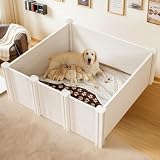
- MULTIFUNCTIONAL Whelping Box: This versatile whelping box provides a cozy space for dog breeding litters and serves as an entertaining playground for your pets. It can also be used as a raised garden bed. With its adaptable design suitable for both indoor and outdoor use, it offers flexibility and convenience that works best for you and your furry friends
- SPACIOUS & SECURE: With dimensions of 48x48x18 inches (including caps and posts when measuring), this puppy playpen is roomy enough for doggie families to cuddle up. These high walls not only enhance safety but also prevent any potential escape attempts by energetic puppies, keeping them snug and secure inside
- SAFE & DURABLE: Constructed from pet-safe and durable PVC material, this whelping box for dogs not only provides waterproof and rustproof properties but also boasts a stable structure that ensures longevity. Your beloved pets will be well-protected in their reliable sanctuary, providing you with peace of mind
- EASY ASSEMBLY & MAINTENANCE: With its lightweight and portable design, this whelping box for puppies can be effortlessly relocated. Assembling is hassle-free, no tools required. The smooth PVC surface is easy to clean—simply rinse with water or wipe with a damp rag, which provides convenience for busy pet owners
- FLEXIBLE DOOR OPTIONS: Tailor your preferences with our multipurpose door options for the whelping pen. Choose the doorless design for enhanced security, perfect for recovering or pregnant dogs. Alternatively, opt for the convenient door feature, removing dividers to grant easy access for dogs to enter and exit as they please

Last update on 2026-03-24 / Affiliate links / Images from Amazon Product Advertising API
The Breeder’s Ethical Role
Ethical breeding practices help ensure that female dogs experience less anxiety during mating by eliminating avoidable suffering and medical risks, and by requiring clear decisions and consistent attention from responsible breeders throughout the process.
| Ethical area | What it means | Why it matters | How to act |
|---|---|---|---|
| Welfare first | Health, safety, and comfort over outcomes | Lowers distress and injury | Vet exams, pain control, safe handling |
| Genetic integrity | Avoid inbreeding; maintain diversity | Reduces inherited disorders | DNA tests, COI limits, outcross plans |
| Transparency | Full health and ancestry disclosure | Informed buyer choices | Share vet reports, pedigrees, test results |
| Education | Keep up with best practices | Fewer mistakes and harm | Courses, journals, mentorships |
| Aftercare | Support pups and mothers | Better long-term outcomes | No early weaning; socialization plans |
Prioritizing Welfare
Health and comfort take priority, even if it requires missing or interrupting a mating. One’s chief obligation is to breed disease-free, genetically sound animals and to establish solid behavior by providing early, gentle social exposure.
DO NOT breed dogs with chronic pain and airway obstruction, crippling hip or elbow dysplasia, heart defects, or unstable temperaments.
Designer babies: the breeder’s ethical role; long-nosed lines reduce the risk of extreme brachycephaly and alleviate airway strain and the crying associated with hypoxia.
Both dogs require time to recover, both pre- and post.
Water, non-slip floors, quiet, and a heat-neutral room with about 18 to 21 degrees Celsius. Post-mating checks help detect small tears or swelling early.
Avoid accidental littering with secure housing, timing management, and written plans. Puppies shouldn’t leave their mums before 8 weeks.
Early separation stokes fear and barking down the line.
Recognizing Distress
Train for early red flags: rigid posture, tucked tail, lip licking, pinned ears, yelps beyond a brief tie response, repeated mounting failures, or sudden aggression.
Look for labored breathing, cyanotic gums, limping, or vulvar bleeding beyond mild spotting.
Intervene fast. Detach coolly if there’s continued sobbing, sliding on floors, or a trapped necktie with panic. Call a vet for severe pain, collapse, or bleeding.
Resort to muzzles only when safety requires it, not as an expediency.
Silence in the room. One handler per dog keeps them calm. A gentle touch at the shoulders, slow breath, and stillness lowers arousal.
Use a checklist every session: baseline vitals, behavior notes, environmental setup, incident log, and post-mating findings.
Making Informed Decisions
Decide with data: health screens (hips, elbows, eyes, heart, breed DNA panels), temperament scores, and pedigree review for inbreeding coefficient. Aim for a low COI to safeguard variety.
Weigh profits and damages. Inquire whether the combination reduces disease risk, enhances performance, and promotes quality of life for puppies and parents.
Record it all: estrus dates, behaviors, handling notes, vet findings and results, etc. To help optimize future plans and monitor heritable risks.
Be upfront with owners and buyers. Post test results, known problems, and realistic care requirements. Research shows that looks often trump health, so resist that drift and prioritize health over style.
Experienced veterinarian. Contraindications for surgical castration. About the breeder’s ethical role. Keep learning through breeder networks, peer review, and current guidelines.

- Advanced Support – Specially formulated chews for breeding dogs to enhance reproductive health, performance, and stamina.
- Promotes Reproductive cells Quality & Motility – Contains L-Carnitine, L-Arginine, and Ginseng to support reproductive cells energy, mobility, and overall reproductive success.
- Supports Testosterone & Vitality – With Fenugreek, Zinc, and Mucuna Pruriens, these chews encourage natural testosterone production and improve breeding outcomes.
- Improves Blood Flow & Performance – Infused with Ginkgo Biloba and Horny Goat Weed to boost circulation, erectile function, and reproductive strength.
- Natural & Easy-to-Give Chews – Tasty, nutrient-rich soft chews made with premium vitamins and herbal extracts, perfect for daily use in all breeds and sizes.
Last update on 2026-03-24 / Affiliate links / Images from Amazon Product Advertising API
Our Conclusion
Lastly, dogs can cry during mating due to pain, stress, or arousal. Most are short and benign. Painful yelps can result from the tie. Long whines often indicate fear or a bad fit.
Clear signs help you judge risk: a stiff body, a tucked tail, or a snap mean stop. Calm eyes, a loose jaw, and slow breath indicate that everything is okay.
Keep dogs safe, plan every step. Size and health match. Provide vet visits. Utilize grip mats. Maintain the area silent. Keep water close. Stand near, but do not hurry the tie.
For genuine concern, morality comes first. Prioritize health, consent cues, and long-term needs over goals.
It may be surprising, but it’s really simple. Click here to set up a vet plan, create a calm room kit, and then record symptoms in a brief heat diary.
Frequently Asked Questions
Why do dogs cry when breeding?
Dogs, including female dogs in heat, can whine due to pain. During mating, particularly during the “tie,” pressure on the reproductive organs may feel odd or slightly painful, leading to unusual noises that warrant a vet’s examination.
What is the “tie” in dog mating?
The ‘tie’ refers to the male dog’s bulbous gland swelling inside the female dog, locking both canines together. This mating process can last 10 to 30 minutes, and dog owners should not pull them apart, as this can cause injury.
Is crying during mating normal or a red flag?
A little whimpering is to be expected during the mating process. However, sharp yelps, constant whimpering, or trying to get away are major warning signs that dog owners should not ignore. End the session and call your vet, as pain or infections may indicate a serious health issue.
How can I prepare dogs for mating safely?
Health-check both dogs first, especially the female, to ensure they are free of infections and up to date on vaccinations. Evaluate their temperament and choose a calm, non-slippery spot for mating. Monitor closely and, if possible, use skilled handlers, prioritizing the dogs’ comfort and well-being.
Can size differences cause pain or crying?
Yes. A significant size difference can be painful or damaging, particularly for female dogs during mating. It’s essential to match sizes that complement each other. If you don’t know, consult a vet or a certified breeding specialist, as responsible breeders schedule matings to prevent unnecessary stress or risk.
When should I stop a breeding attempt?
Halt if the female dog repeatedly cries or makes unusual noises, as these may indicate issues such as resistance or aggression. If no tie mating is successful after a few calm attempts, it’s crucial to visit a vet, as the health and safety of the dogs outweigh any breeding objective.
What are common breeding complications to watch for?
Watch for vaginal or penile injury, infections, and any unusual symptoms that may indicate a health issue. After mating, monitor for discharge, lethargy, or pain; any concerning signs require prompt veterinary evaluation to protect the health of both the female and male dogs.


