
Dog Breeder Red Flags Every Buyer Should Know Before Choosing a Puppy
Choosing the right dog breeder is one of the most important decisions a prospective owner will make.
Red flags in breeder practices, facility conditions, and documentation can signal serious health and welfare concerns.
This guide examines common warning signs-including multiple breeds, poor living conditions, and pressure tactics-to help readers identify and avoid problematic operations.
General Red Flags
_1.jpeg)
General red flags signal systematic breeding operations that prioritize volume over animal welfare. These warning signs often point to puppy mill conditions rather than responsible practices.
Watch for facilities that maintain a constant inventory regardless of recovery periods. Ethical breeders typically require planning and patience from potential owners.
Multiple indicators together create a clear pattern. Irresponsible breeders often display several concerning behaviors at once that affect animal health and temperament.
Recognizing these patterns helps protect both buyers and dogs from harmful situations. Early identification prevents the support of operations that compromise welfare standards.

- Breeder’s Box Dog Semen shipping for breeders, Disposable Semen Transport, Canine Semen Shipping box, Disposable Semen Transport.
- Includes: Coolant Brick, 2 10cc Syringes, 2 10″ Flex Tip Pipette, 2 15ml Capped Tubes with Thermoregulator Tubes, 2 5gm Lubricants, Nitrile Gloves.
- Cools up to 48 hours
- Dimensions: 8.5 x 7 x 6
Last update on 2026-09-21 / Affiliate links / Images from Amazon Product Advertising API
Multiple Breeds Available
Breeders offering 8+ different breeds simultaneously operate at a commercial scale rather than focusing on genetic improvement. This approach spreads resources thin across too many bloodlines.
Four specific warning indicators help identify problems. Breed count exceeding 3 unrelated breeds signals issues, cross-breed offerings from the same facility raise concerns, rotating breed selection lacks genetic focus, and facility photos often show separate housing sections for each breed.
One Ohio facility, which closed in 2022, housed 47 dogs across 11 breeds. Ethical single-breed specialists typically maintain a maximum of 5-15 breeding pairs to ensure proper care and attention.
Concentrated breeding programs allow for better health testing and monitoring. Reputable breeders develop deep knowledge of one or two specific breeds over time.
Always Have Puppies Ready
Continuous puppy availability indicates breeding cycles exceeding 2 litters per year per dam. This pace exceeds healthy limits for mother dogs and their recovery needs.
Four quantifiable red flags stand out. Weekly puppy postings over 12+ months suggest problems; multiple concurrent litters with 3+ dams whelping simultaneously indicate overproduction; breeding-age indicators include dams under 18 months or over 8 years still producing; and the absence of a waiting list system shows a volume focus.
One breeder advertised puppies born this week every month for 8 consecutive months. American Kennel Club guidelines recommend a maximum of 4 litters per dam lifetime, with 18-month recovery periods.
Proper spacing between litters supports dam health and puppy development. Reputable breeders maintain waiting lists to match puppies with prepared homes.
Facility and Care Issues
Facility inspection reveals the actual daily living conditions and veterinary care standards applied to breeding dogs.
Responsible breeders maintain measurable space standards that support physical health and natural movement patterns. Commercial operations often pack many animals into minimal space, restricting basic behaviors.
Three clear distinctions separate ethical facilities from commercial kennels. Adult dogs need at least forty square feet of usable space per animal for comfortable movement.
Enrichment requirements include daily human interaction and regular outdoor access for mental stimulation.
Veterinary protocols provide another measurable difference. Monthly professional visits catch health issues early, while annual checks allow problems to progress.
Research suggests that facilities meeting these standards produce healthier puppies with fewer behavioral concerns.
Responsible operations maintain climate-controlled whelping areas and consistent socialization schedules.
Problematic facilities use wire crates without exercise yards and limit human contact to feeding times only. The differences appear in puppy development and long-term health outcomes.
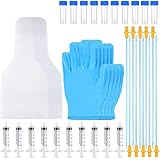
- Sufficient quantity for AI breeding: the package contains 10 sets of dog breeding kit, including 10 pieces insemination catheters, 10 pieces plastic centrifuge tubes, 10 pieces semen collection bags, 10 pieces measuring syringes without needles and 10 pairs of PVC blue gloves, adequate quantity for you to undertake AI dog breeding
- Proper size: the length of the insemination catheter is 30 cm, both centrifuge tubes and measuring syringes without needles are 5 ml, the blue gloves are medium sized, the suitable size of the canine breeding kit fit for small and medium animals breeding
- Insemination catheter: made of PVC material, the catheter is flexible that it can be bent randomly, not easy to crack and deform; Each catheter is individually packaged, with smooth surface, it is reliable and secure for animals breeding
- About centrifuge tubes: the centrifuge tubes are designed with screw caps, which can prevent semen leakage, its smooth and flat inner surface allows it to have no residue; There are white clear marks for you to read clearly
- Applicable scope: the artificial canine breeding kit is appropriate for small and medium sized breeds, such as dogs, goats, sheep, pigs and other breeds, practical and useful tool for artificial insemination
Last update on 2026-09-21 / Affiliate links / Images from Amazon Product Advertising API
Poor Living Conditions
Specific space and hygiene violations directly correlate with disease transmission and behavioral problems in puppies.
Concrete violations include cage dimensions of under 36 inches by 24 inches for medium breeds. Wire flooring causes paw injuries when dogs stand for extended periods.
Ammonia levels from accumulated urine often exceed safe thresholds in poorly ventilated spaces. Absence of whelping boxes with proper heat sources leaves newborn puppies vulnerable to temperature fluctuations.
Separation before eight weeks disrupts critical bonding and learning periods.
Visual inspection provides immediate evidence of problems. Look for stacked crates, dirty water bowls, and a lack of clean bedding materials.
Photo documentation of these conditions helps potential buyers evaluate the environment before committing to a puppy.
Overcrowded housing creates stress that affects immune function and behavioral development. Dogs in these conditions show higher rates of illness and fear responses.
Proper facility standards prevent these common issues through adequate space and regular cleaning protocols.
Lack of Health Testing
_2.jpeg)
Reputable breeders provide specific test results from recognized organizations rather than verbal assurances.
Required evaluations include orthopedic assessments using the OFA or PennHIP scoring systems. Scores below fair indicate genetic concerns that should prevent breeding.
Ophthalmologic certifications through CERF or OFA require annual renewal for accuracy. Cardiac evaluations through yearly echocardiograms benefit breeds prone to heart conditions.
Genetic DNA panels screen for progressive retinal atrophy and other inherited disorders.
CHIC database registration numbers allow verification of completed testing. Request OFA certificate numbers and confirm details through official records.
Research suggests that tested parents produce fewer puppies with hereditary conditions.
Labrador Retrievers need hip scores no higher than eight for ethical breeding. Health clearances protect future generations from preventable diseases. These documented results distinguish responsible operations from those that skip essential evaluations.
Breeder Practices
Direct observation of parent dogs reveals genetic health, heritability of temperament, and realities of living conditions.
Evaluation of parent dogs requires careful attention to three main areas. Physical condition scoring assesses weight, coat quality, and mobility in both the dam and the sire.
Healthy dogs maintain an appropriate body weight, neither underweight nor overweight.
The temperament testing protocol assesses how dogs respond to being approached, accept handling, and react to sudden noises. Calm reactions during these tests suggest good temperament traits.
Breeding frequency documentation tracks dam age at first litter and number of litters per year. Responsible breeders keep records that show appropriate spacing between litters.
A minimum 45-minute facility visit with the dam present allows buyers to observe natural behavior and living conditions. The dam should appear comfortable in her environment during this time.
| Acceptable | Red Flag |
|---|---|
| Dam approaches calmly, accepts handling, and maintains a healthy weight | Cowering, excessive panting, matted coat |
The AKC code requires dam observation for registration transfer. This rule helps ensure that parent dogs receive proper care before any paperwork changes hands.
Refusal to Meet Parents
A parent dog’s refusal indicates poor health, an aggressive temperament, or substandard housing that breeders want hidden.
Four specific patterns often appear when breeders avoid showing parents. The nursing excuse for puppies over six weeks old suggests the dam may have health issues. Sire lives elsewhere, claims can hide stud dogs kept in the same facility under poor conditions.
Video-only offers replace actual meetings and prevent buyers from seeing real conditions.
Facility visit restrictions to puppy areas only keep buyers away from adult dog housing.
A 2020 Virginia complaint documented a hidden dam despite three requests for visits. This case showed how some breeders try to conceal poor living conditions from potential buyers.
Ethical breeders require dam meetings as standard procedure. A simple script works well: Can I meet the dam in her normal environment at your convenience?
High-Pressure Sales Tactics
Pressure tactics exploit buyer emotions to bypass normal due diligence and screening processes.
Five high-pressure techniques appear frequently in problematic sales. Someone else wants this puppy claim within 24 hours, creating a false sense of urgency.
Price increases on Monday offer push quick decisions without proper review.
Take-home today requirements force immediate pickup without time for vet checks. Threats of limited-time pet store returns add emotional pressure during negotiations.
Only this litter is available this year; scarcity claims suggest future options will not exist. A Facebook Marketplace post stated that the last puppy’s price drops by $200 if picked up tonight.
Buyers should use this script: I need 48 hours to review health records and visit my vet. FTC guidelines provide a three-day cooling-off period for pet sales in certain situations.

- SUPPORTS MALE REPRODUCTIVE HEALTH AND PERFORMANCE: Formulated to meet the unique nutritional demands of male dogs and cats during breeding. Helps maintain stamina, vitality, and normal hormone function to keep males in peak condition throughout the breeding season.
- BALANCED BLEND OF VITAMINS, MINERALS, AND HERBAL INGREDIENTS: Combines essential nutrients that help support reproductive wellness, energy metabolism, and immune function. Natural herbs promote vitality and overall well-being in breeding males.
- HELPS MAINTAIN NORMAL FERTILITY AND SPERM HEALTH: Provides targeted nutritional support to promote healthy reproductive function. Delivers key vitamins and minerals that play a role in maintaining normal sperm strength, count, and endurance.
- PROMOTES ENERGY, ENDURANCE, AND OVERALL WELLNESS: Supports normal energy production and muscle function, helping active or breeding males maintain strength and performance during demanding breeding cycles.
- HIGHLY PALATABLE AND EASY TO ADMINISTER: Features a flavor dogs and cats love for simple, stress-free supplementation. Ideal for daily use during the breeding season or as part of a year-round reproductive health program.
Last update on 2026-09-21 / Affiliate links / Images from Amazon Product Advertising API
Documentation Problems
First sentence: Written documentation protects both parties and establishes legal accountability for health and genetic claims. Buyers should always request complete paperwork before any payment changes hands.
Health guarantees and legal agreements help clarify expectations when problems arise after purchase. Without proper records, owners face challenges proving what was promised at the time of sale.
Thirty-two states now require written health guarantees for dog sales. This legal framework gives buyers stronger protection against deceptive practices common among irresponsible breeders.
Verification matters just as much as having the documents themselves. Call the veterinarian listed on any record to confirm the information matches their actual files.
Missing Health Records
_3.jpeg)
Complete health records demonstrate preventive care history and allow independent veterinary verification. Buyers should examine each document carefully before finalizing any transaction.
Five key record types deserve attention during the review process. Request the puppy vaccination card showing specific dates for DA2PP, Bordetella, and Rabies shots.
Ask for fecal exam results from a commercial lab taken within seven days of sale. Heartworm test results are required for puppies older than 6 months.
Obtain a veterinary exam certificate dated within forty-eight hours of pickup. The dam health summary should cover pregnancy and whelping complications that might affect future litters.
Rejection criteria help identify questionable paperwork quickly. Photocopied records, undated entries, or vague references to a vet without a license number signal potential issues.
No Written Contract
Oral agreements offer no legal recourse when health issues or behavioral problems arise after purchase. Written contracts create clear obligations for both buyer and seller.
Five mandatory clauses protect buyers from future disputes. A twenty-four-month genetic health guarantee should cover hip dysplasia, PRA, and heart disease with replacement or refund options.
Include a seventy-two-hour return window for any undisclosed illness with full refund provisions. The spay or neuter requirement by six months needs proof submission to remain valid.
Limited registration prevents the transfer of breeding rights to new owners. Breeder repurchase rights at the original price provide an exit clause if circumstances change for the buyer.
Contract enforcement has helped buyers recover costs in documented cases. California buyers successfully obtained compensation after pursuing claims related to undiagnosed heart defects.
Communication Concerns
Communication patterns reveal a breeder’s professionalism, depth of knowledge, and willingness to support buyers in the long term.
Communication style often signals how dedicated a breeder remains after the sale. Quick responses and clear answers build trust between parties.
Ethical breeders reply to initial inquiries within twenty-four hours. They respond to requests for health records within 48 hours. This speed shows respect for potential buyers and organized business practices.
Question handling depth separates professionals from amateurs. Detailed answers about health testing and breeding practices indicate genuine expertise. One-word responses suggest limited knowledge or hidden concerns.
Proactive disclosure habits matter greatly during the selection process.
Reputable breeders volunteer OFA certification numbers and veterinary contacts without prompting. They share dam photos and pedigree information early to establish credibility.
| Responsive | Problematic |
|---|---|
| Provides OFA numbers, vet contacts, dam photos | Says trust me with generic responses |
| Shares health records promptly upon request | Delays record access without valid reason |
| Answers fifteen to twenty standard questions before deposit | Limits discussion and avoids specific details |
Unwilling to Answer Questions
Question avoidance indicates either a lack of knowledge or the concealment of problematic practices, such as inbreeding or health issues. Buyers should prepare specific questions before contacting any dog breeder. This preparation helps identify genuine professionals quickly.
Health testing questions reveal critical information about genetic risks. An acceptable answer includes specific results such as OFA hips: excellent, CERF clear, or DNA panel negative.
A red-flag response claims that the parents are healthy without providing evidence.
Pedigree requests test transparency regarding bloodlines and breeding history. Reputable breeders provide a five-generation pedigree document. Those who dismiss pedigrees as unimportant raise serious concerns about their methods.
Litter frequency questions expose potential overbreeding practices. Acceptable responses state the dam is three years old and this marks her second litter.
Comments like several litters without tracking suggest irresponsible breeding frequency.
Return policy questions clarify buyer protection rights. Ethical breeders offer full refunds if health issues appear within seventy two hours.
No return policies after pickup indicate a limited commitment to long-term puppy welfare.
Buyers can request three previous client references using this script: Please provide contact information for three families who purchased puppies from recent litters. References help verify consistent care standards and ongoing support.
Limited Transparency
Transparency deficits suggest deliberately hidden conditions that would disqualify the breeder from ethical standards. Buyers should seek multiple markers of openness during evaluation.
These markers confirm proper conditions in breeding facilities and animal welfare.
Live video calls provide direct evidence of living conditions. Request a five-minute FaceTime session showing the dam with puppies in the home environment.
Staged studio settings fail to reflect actual daily care practices.
Unannounced facility visits during business hours offer another verification method. Ethical breeders welcome such visits without hesitation.
Address restrictions or private property claims prevent proper evaluation of housing conditions.
Grandparent health clearances complete the genetic picture. All four grandparents should have documented health clearances available for review.
Missing records for earlier generations suggest incomplete testing protocols.
Breeding facility addresses allow independent verification through public records. Social media accounts should show ongoing dam care rather than only puppy marketing images.
Stock photos or limited views indicate attempts to hide actual conditions.


Last update on 2026-09-21 / Affiliate links / Images from Amazon Product Advertising API
Frequently Asked Questions
_4.jpeg)
What are red flags in a dog breeder?
One major red flag in a dog breeder is when they refuse to show you the mother dog or the full environment where the dogs are raised.
Reputable breeders are always open and allow potential buyers to see where their puppies come from.
Another sign to watch for is if the breeder has multiple breeds or many litters available at once. This often indicates they may be running a puppy mill rather than focusing on the health and quality of each litter.
Red flags include breeders who pressure you to buy quickly or who provide no health-testing documentation for the parents. Legitimate breeders will happily share genetic test results and encourage you to ask questions.
A clear warning sign is if the breeder sells puppies to pet stores or through third-party websites without any screening process. Ethical breeders carefully vet buyers and place puppies only with suitable homes.
If a breeder claims all their puppies are “rare” or “teacup” sizes to justify higher prices, take note. These claims can be misleading and may indicate poor breeding practices focused on profit over animal welfare.
Finally, avoid breeders who do not provide a health guarantee or written contract. Responsible breeders stand behind their puppies and offer support long after the sale is completed.