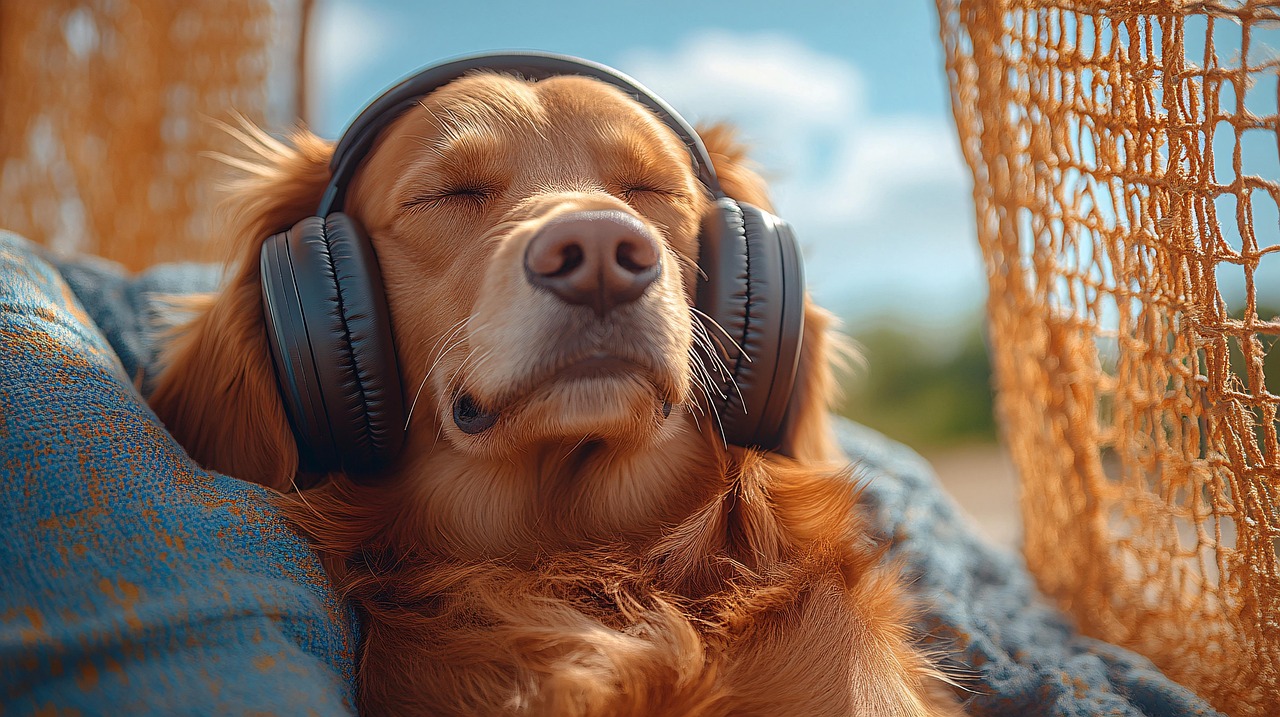
Sound Therapy for Dogs: Discover What Soothes Their Stress
Thunderstorms pop, fireworks crackle, and your dog trembles or paces.
Sound can help. So, what sound will calm a dog?
Research indicates that steady, gentle audio can effectively block sudden bangs and guide the nervous system back to a state of calm.
Dogs hear higher pitches and fainter noises we miss, which is why surprises feel so intense.
Calming sounds work by masking scary spikes, easing the startle reflex, and lowering cortisol.
Studies also show better heart rate variability, more resting behavior, and less pacing or whining when the right audio plays.

- EFFECTIVELY CANCELS NOISE: Our signature sound has helped millions experience better sleep for generations—including our furry family members. White noise effectively cancels out noises that may disturb or distract your pet.
- 6 SOOTHING SOUNDS: Choose from 6 sound options, including Dohm High, Dohm Low, Gentle Surf, Stream, and two soundtracks specifically designed to reduce dog anxiety—The Time Is Ours and Calm.
- INTEGRATED BARK SENSOR: Built-in bark sensor detects loud sounds and automatically plays your selected music to help calm your pet.
- MANAGE PET ANXIETY: Soothe your dog while you’re away—white noise is great for calming dogs during fireworks, thunderstorms, crate training, traveling, and being home alone.
- VOLUME CONTROL & TIMER: Play continuously or set the sleep timer to 45 minutes, 90 minutes, or 8 hours.
Last update on 2026-10-22 / Affiliate links / Images from Amazon Product Advertising API
For owners and trainers, the payoff is real.
You get fewer barks, better sleep, and easier crate time or travel days.
Sessions run smoother at home or in class, and recovery after stressful events speeds up.
So what should you press play on?
Canine-specific music tops the list, followed by specific human genres like soft classical or reggae.
White noise helps when you need simple, steady coverage for storms, building noise, or separation times.
Nature tracks, like rain or gentle streams, can also soothe dogs that spook at city sounds.
We’ll compare the three most popular options you can use today, along with when and how to use each: white noise, calming music, and nature sounds.
Why Sounds Matter: How Noise Affects Your Dog’s Anxiety
Dogs hear higher pitches and quieter sounds than we do, so that everyday noise can feel intense to them. That sensitivity can flip a normal day into a stress spiral.
What sound will calm a dog?
Start by understanding how noise impacts the nervous system, then use steady audio as a buffer to help the body relax.
Small changes in your sound plan can prevent significant reactions later.
Common Triggers That Spike Dog Stress
Many dogs struggle with sudden, loud, or high-frequency sounds.
These everyday triggers often set off anxiety:
- Fireworks
- Thunderstorms
- Traffic and sirens
- Vacuums and hair dryers
- Construction and banging doors
- Smoke alarms and kitchen beeps
Watch for stress signals such as panting in cool rooms, trembling, pacing, tucked tail, pinned ears, drooling, yawning, or hiding under furniture.
Early prevention helps most. Pair calm audio with treats or mat work before the noise hits, and you teach the brain that sound predicts safety.
This reduces startle responses, supports better training sessions, and keeps arousal from snowballing into panic.

- Music and sound effects for desensitization
- Acclimitizes young canines to the noises of modern life
- Sound effects are set against a backdrop of bioacoustically designed, calming piano arrangements
- Calm Your Puppy helps keep your puppy calm and builds positive associations with householed and outdoor sounds
Last update on 2026-10-22 / Affiliate links / Images from Amazon Product Advertising API
The Science Behind Calming Sounds for Dogs
Steady sound acts like a blanket over sharp noises, giving the brain a constant rhythm to track.
That predictability lowers arousal, which helps heart rate and breathing settle.
Research published in 2025 reports that consistent, low-intensity audio can reduce cortisol in anxious dogs and improve rest during and after noisy events.
The mechanism is simple: reliable sound masks sudden spikes, the startle reflex quiets, and the body shifts from alert to recovery.
This approach shines for separation anxiety, crate rest, and car rides to the vet.
With the right track, many dogs spend less time pacing or whining and more time sleeping or chewing a safe toy. Use it as part of a routine, not a last-minute fix.
Start with short sessions during mild stress, reward relaxed postures, and build up.
Over time, your dog learns that a predictable sound means calm, even when the outside world gets loud.
Top Calming Sounds That Work Wonders on Anxious Dogs
If you ask, “What sound will calm a dog?”, start with steady, low-intensity audio that masks sudden spikes and builds a sense of safety.
Four options stand out for daily use: white noise, pink noise, calming music, and gentle nature tracks.
Keep volume low, run it before stress starts, and stick with a routine.
This helps your dog relax faster during storms, fireworks, and alone time, and it gives trainers a reliable backdrop for calmer sessions.
White Noise: The Steady Hum That Soothes Like Magic
White noise works by covering startle triggers like pops, sirens, or hallway traffic.
A fan hum, air purifier, or soft static provides your dog with a stable sound to track, which helps ease cortisol levels and supports better rest.
Pink noise is a close cousin with a smoother, less “hissy” tone that some dogs prefer.
Start low, then set a volume that allows you to talk over it.
Use it during crate time, naps, and when you leave. Small breeds, like Chihuahuas and Yorkies, often settle faster with a box fan plus a chew.
Try a long-play option like the White Noise to Soothe Your Dog playlist for easy, consistent coverage.
Calming Music: Tunes Tailored for Dog Relaxation
Slow-tempo, low-pitch music reduces pacing, barking, and whining.
Dog-specific tracks lean on gentle instrumentation, simple patterns, and fewer high frequencies.
If you use human music, pick soft classical, light reggae, or mellow acoustic without harsh crescendos.
Trainers can play it to downshift arousal during threshold work or between reps, which helps reactive dogs reset faster. Rotate playlists weekly to avoid habituation.
Keep volume at a whisper level so your dog can rest.
Helpful picks include canine-designed playlists and simple “sleep” mixes.
Pair music with mat work and treats to build a strong, calm association in any setting.
Nature Sounds: Gentle Whispers from the Wild
Rain, flowing water, and tree wind create a familiar, safe backdrop.
While less studied than music, many dogs relax when they hear soft weather or stream sounds.
These tracks help mask urban noise and smooth out sudden clatters. Keep volume low, and avoid aggressive storms.
Layering nature sounds with a low fan provides both calmness and coverage.
For an easy start, try a balanced mix like Light Rain + Ocean Waves to Help Calm Anxious Dogs.
Use it for bedtime, travel, post-walk cooldowns, and trainer debriefs to keep the nervous system in a restful groove.
Practical Tips to Use Calming Sounds Effectively at Home
You can use sound as a daily signal to reassure your dog, “You are safe.” Start early, keep volume low, and pair audio with routines your dog already loves.
When asked, What sound will calm a dog?, the best answer is the one your dog relaxes to, used predictably.
Aim for a steady, simple sound that masks spikes and builds positive associations over time.
No products found.
Setting Up Your Dog’s Sound Sanctuary
Keep the setup simple so you can use it every day.
A small Bluetooth speaker or smart speaker with a timer works great. Try a dog-calming playlist in a music app, or a white noise app with long loops.
Place the speaker near a quiet corner, crate, or bed, not right next to your dog’s ears.
Follow this quick plan:
- Pick a calm track or white noise at a whisper volume.
- Play it 10 to 15 minutes before stressful situations, such as school let-out or thunderstorms.
- Use daily during naps, crate time, or when leaving for work.
During holidays or storm season, schedule audio to start before fireworks or thunder. Avoid sudden volume jumps.
You should talk over the sound without strain. For genre guidance, see what experts say about relaxing music for dogs in shelters in this overview on how to use music to calm anxious dogs.
When to Combine Sounds with Other Calming Methods
Sound works best as part of a calm routine.
Pair audio with:
- A food puzzle, lick mat, or long-lasting chew
- A pheromone diffuser in the same room
- Relaxation training, like mat settling and slow breathing, with your dog
For trainers, use soft audio between reps to lower arousal and improve focus.
Build positive associations by starting with a sound, then feeding a few great treats, and finally settling on the mat. Rotate playlists weekly to reduce habituation.
Skip harsh or busy tracks like heavy metal or high-tempo EDM.
If anxiety is severe, or your dog cannot settle even at low volume, talk with your veterinarian. For genre ideas and tempo tips, review PetMD’s guide on what kind of music calms dogs.
No products found.
Our Conclusion
What sound will calm a dog? In most homes, white noise or soft, low-tempo music offers the most reliable relief, with gentle nature tracks as a close helper.
Each option works by masking sharp spikes, easing startle responses, and guiding the body back to rest.
Keep volume low, start before stress, and pair audio with routines your dog already enjoys.
White noise or pink noise gives steady coverage for storms, hallway traffic, and alone time.
Calming music, such as dog-designed tracks, soft classical, or light reggae, helps reduce pacing and barking.
Nature sounds help sensitive dogs soften city clatter and settle after activity. Rotate playlists weekly and keep the setup simple to use it daily.
Test one option for a week, track your dog’s behavior, then adjust. Try a chew or mat settle while the sound plays, and reward relaxed postures.
If your dog still struggles, add support from your veterinarian or a certified trainer. Safety first, volume low, and avoid busy or harsh tracks.
What sound will calm a dog starts with what your dog can rest to, used with care and consistency.
Share what worked for your dog, and help another owner find their calm plan.
A few wise choices today can mean quieter nights and a happier, more confident dog.